Summary at a glance
A high neutrophil count typically signals an acute bacterial infection, physical trauma, or severe acute stress.
Your Absolute Neutrophil Count (ANC) provides a much more accurate picture of your immune health than standard percentage readings.
A spike in viral-fighting lymphocytes mathematically forces your neutrophil percentage down, even when your total neutrophil numbers remain perfectly healthy.
Consistently low neutrophil levels leave your body vulnerable to recurrent infections and require medical investigation.
What does a high neutrophil count mean for your health?
A high neutrophil count means your immune system is actively fighting an acute bacterial infection or responding to severe physical stress. Neutrophils act as your body's initial defense team. When your blood test reveals elevated numbers, it signals an immediate immune response taking place right now.
Your white blood cells act as a roaming security force. Neutrophils make up the largest and most active branch of this system. Medical News Today (2024) reports that neutrophils account for 50 to 70% of all white blood cells in your bloodstream medicalnewstoday.com.
When a threat appears, your bone marrow releases these cells rapidly. They travel straight to the source of the danger. A high result often just proves your immune system works exactly as designed. Amelie Hollier, Co-Founder of APEA, states that an elevated white blood cell count ranks as the most common laboratory abnormality seen in clinical practice oaapn.org.
You might see "band cells" mentioned on your lab report alongside your total count. Band cells are simply immature neutrophils. Your body releases them early when it fights a fierce infection and needs reinforcements quickly medicalnewstoday.com.
Neutrophils can physically squeeze through junctions in your blood vessel walls to hunt pathogens directly inside your tissues.
What is a normal absolute neutrophil count (ANC)?
Blood tests display your immune health in two distinctly different ways: percentages and absolute counts. The absolute neutrophil count (ANC) matters far more than the basic percentage.
Percentages only show the ratio of different white blood cell types against each other. The ANC reveals the exact number of physical cells available to protect you. Advanced Diagnostics (2022) reports that a normal absolute neutrophil count falls between 2.5 and 6.0 x 10^9/L oaapn.org. True neutrophilia only occurs when your ANC rises above 7.5 x 10^9/L oaapn.org.
| White Blood Cell Type | Normal Percentage Range |
|---|---|
| Neutrophils | 40% to 60% |
| Lymphocytes | 20% to 40% |
| Monocytes | 2% to 8% |
| Eosinophils | 1% to 4% |
| Basophils | 0.5% to 1% |
Understanding these reference ranges helps you make sense of related inflammatory markers. You can compare this data to a crp blood test meaning to see a wider picture of your systemic inflammation.
 A structured table displaying standard reference ranges for different white blood cells.
Why are my lymphocytes high and my neutrophils low?
Many people panic when they see a low neutrophil percentage paired with high lymphocytes. This presentation usually reflects a simple mathematical illusion rather than a failing immune system.
UCSF Health (2024) reports that an abnormal increase in one type of white blood cell automatically causes a decrease in the percentage of other types ucsfhealth.org. Lymphocytes specifically fight viral infections. If you catch a standard cold virus, your lymphocyte numbers will surge.
Because your total white blood cell breakdown must equal exactly 100%, a lymphocyte spike forces your neutrophil percentage down on paper. However, your absolute neutrophil count likely remains perfectly normal. Always look at the total ANC before worrying about shifting percentages.
You can also look at an esr blood test what it means to check if your body is mounting a broader inflammatory response alongside these cell shifts.
Never interpret your neutrophil percentage in isolation. Always ask your doctor to explain your Absolute Neutrophil Count (ANC) first.
What causes a sudden spike in neutrophils?
Bacterial infections trigger the most dramatic neutrophil spikes oaapn.org. However, daily lifestyle and environmental factors also force your bone marrow to ramp up production unexpectedly.
Severe acute stress rapidly elevates your circulating numbers ucsfhealth.org. Physical trauma sets off a similar biological alarm system. Your body deploys neutrophils directly to damaged tissues to prevent opportunistic infections and jumpstart the healing process my.clevelandclinic.org.
Daily habits leave a lasting mark on your blood panels as well. UCSF Health (2024) reports that cigarette smoking reliably causes an increased neutrophil percentage ucsfhealth.org. The continuous exposure to inhaled toxins creates a state of low-grade inflammation. This keeps your immune defenses perpetually engaged and elevates your baseline numbers.
When should you worry about a low neutrophil count?
A clinically low absolute neutrophil count is called neutropenia. This condition leaves you vulnerable to routine pathogens that your body would usually defeat easily.
The National Institutes of Health (2024) reports that a failure of neutrophils leads to immunodeficiency ncbi.nlm.nih.gov. This state is primarily characterised by frequent and recurrent infections. Your doctor will watch your absolute numbers closely if you catch illnesses more frequently than normal.
Viral illnesses like influenza can temporarily deplete your immune reserves ucsfhealth.org. More serious underlying causes include autoimmune conditions or the direct effects of specific medications medicalnewstoday.com. If your levels consistently flag outside the normal absolute range, your provider will investigate further to find the true root cause.
Repeated bacterial infections paired with a consistently low ANC require prompt medical evaluation to rule out deeper immune dysfunction.
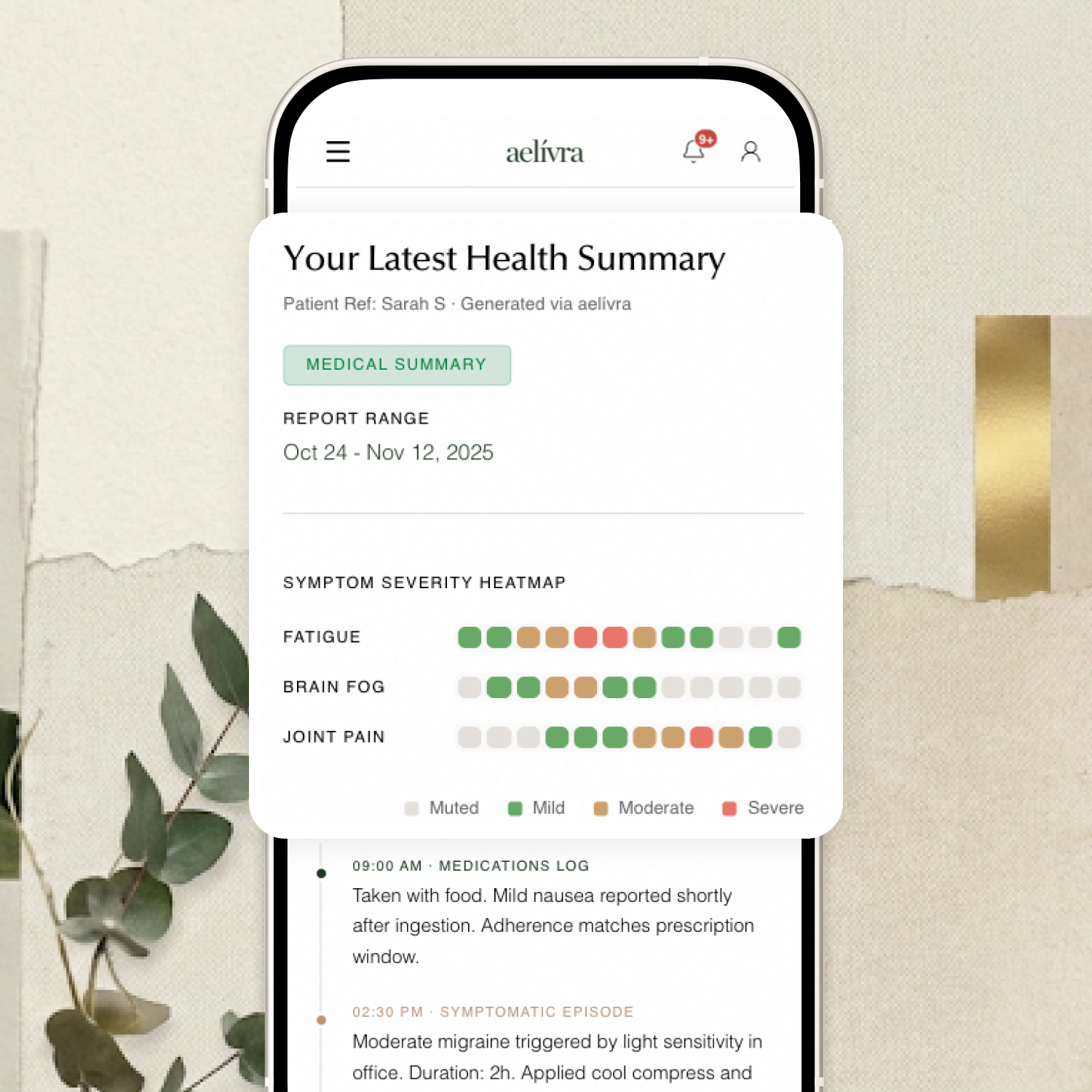
Shift the conversation from "I just don't feel right" to clear data your doctor can act on. aelívra turns weeks of health data into clean, visual summaries — so time-limited consultations focus on patterns, not guesswork.
What are common questions about neutrophil counts?
What is a dangerously high neutrophil count?
An absolute count climbing significantly above 7.5 x 10^9/L indicates true neutrophilia. Extreme elevations usually point to a severe bacterial infection requiring immediate medical attention.
Can anxiety cause high neutrophils?
Yes. Acute psychological or physical stress triggers a rapid systemic immune response. This briefly elevates your circulating neutrophil percentage before returning to baseline.
How fast do neutrophil levels change?
Your bone marrow can release massive quantities of neutrophils within hours of an injury or infection. They also clear from your bloodstream rapidly once the threat passes.
Does dehydration affect your blood count?
Severe dehydration reduces your overall blood plasma volume. This concentrates your blood and can artificially inflate your white blood cell readings on a lab report.