Summary at a glance
A high BUN-to-creatinine ratio often points to temporary lifestyle factors like dehydration or a high-protein diet rather than permanent kidney disease.
Your kidneys reabsorb urea when you lack fluids but leave creatinine alone, which is why your ratio spikes when you are thirsty.
BUN levels above 50 mg/dL require immediate medical evaluation, especially if your creatinine levels are also rising.
What Does a High BUN to Creatinine Ratio Mean?
A high BUN-to-creatinine ratio means your blood contains more urea nitrogen than expected compared to creatinine. This pattern often points to dehydration, poor blood flow to the kidneys, or a high-protein diet. It rarely indicates permanent organ damage. It helps doctors distinguish between temporary stress and structural issues.
Blood urea nitrogen (BUN) and creatinine are two waste products your kidneys filter out of your blood. When you look at them together, they form a ratio that tells a deeper story about your metabolic health.
The National Kidney Foundation of Florida (2023) reports that a normal ratio usually falls between 10:1 and 20:1 kidneyfl.org.
If your ratio climbs higher than this, it usually means your BUN is rising faster than your creatinine. Because the kidneys handle these two wastes differently, this specific pattern acts like a clinical compass. It helps identify exactly where a problem is starting.
Alan Lucks, MD, at Alan Lucks MDPC Private Practice - New York, notes that the BUN-to-creatinine ratio provides a more accurate kidney function assessment than looking at BUN alone doctronic.ai.
Why Is My BUN High if My Creatinine Is Normal?
A high BUN with a normal creatinine level usually indicates a temporary issue outside your kidneys, such as dehydration or digesting a lot of protein. Because creatinine stays steady unless your kidneys are actively failing, a normal creatinine result offers reassurance that your organ structure remains healthy.
Your liver creates urea nitrogen as it breaks down the proteins you eat medlineplus.gov. Your kidneys then filter this waste into your urine. Creatinine comes from the normal daily breakdown of your muscle tissue ozemedicine.com.
Here is the key difference. Your kidneys constantly filter both wastes, but they reabsorb some urea back into your blood based on your hydration status litfl.com. They never reabsorb creatinine.
If you are dehydrated, your kidneys pull water and urea back into your circulation to protect your blood pressure. This selective reabsorption causes your BUN to spike while your creatinine stays completely flat. It is a protective mechanism, not a sign of disease.
Your kidneys reabsorb urea back into your blood when you are dehydrated, but they never reabsorb creatinine. This causes your BUN to spike while creatinine stays flat.
Can Dehydration or Diet Cause a High BUN Level?
Yes, dehydration and high-protein diets are two of the most common causes of an elevated BUN level. When you lack fluids, your kidneys concentrate your blood to preserve water. This natural response pushes your urea nitrogen concentration higher.
Your daily habits impact this biomarker dramatically. A heavy steak dinner or a new protein powder supplement forces your liver to process a massive volume of amino acids. This intense protein breakdown floods your bloodstream with extra urea ncbi.nlm.nih.gov.
Doctronic (2026) reports that normal BUN levels range from 7 to 20 mg/dL for healthy adults doctronic.ai. If you combine a high-protein diet with inadequate water intake, your BUN will almost certainly spike.
Certain medications also shift these numbers. Corticosteroids can elevate your urea production, driving the ratio upward litfl.com. If you have recently changed your diet or exercise routine, your blood work simply reflects those immediate metabolic demands.
Drink an extra glass of water before your next blood draw. Mild dehydration overnight is a common culprit behind a surprisingly high BUN result.
How Do Doctors Use the BUN to Creatinine Ratio to Find the Problem?
Doctors use the ratio to locate the exact source of the stress. They categorize the results into pre-renal issues, which happen before the blood reaches the kidneys, and intrinsic issues, which involve damage to the kidney tissue itself.
Dr Julian Pecora, a Medical Professional, explains that a high ratio often points to a pre-renal cause of acute kidney injury litfl.com. This usually involves poor blood flow or low fluid volume. If the ratio drops significantly, it suggests intrinsic renal damage because the kidney tubules lose their filtering precision.
| Ratio Result | Clinical Meaning | Common Causes |
|---|---|---|
| Normal (10:1 to 20:1) | Healthy kidney filtration | Standard hydration and diet kidneyfl.org |
| High (>20:1) | Pre-renal stress | Dehydration, heart failure, high protein |
| Low (<10:1) | Intrinsic renal issues | Severe liver disease, low-protein diet |
This mathematical relationship prevents unnecessary panic. By comparing the two numbers, your care team can confidently recommend a glass of water instead of a kidney biopsy.
Your kidneys never reabsorb creatinine back into your blood. Because it stays consistent, doctors use it as a reliable baseline to measure against other fluctuating markers.
What Are the Symptoms of a High BUN Level?
Early on, a slightly high BUN level rarely causes any noticeable symptoms. If levels rise significantly due to kidney distress, you might experience persistent fatigue or shortness of breath. Swollen ankles and changes in your urination habits can also appear.
Because early kidney changes happen silently, you cannot rely on how you feel to guess your lab results medlineplus.gov. Most people only discover a shifting ratio during routine annual blood work.
If your kidneys actually begin to struggle, waste materials build up in your blood. This accumulation can make you feel unusually tired. You might also struggle to catch your breath or notice blood in your urine nhs.uk.
Dana Cook, RN, LCSW, notes that an elevated BUN indicates your kidneys might not be performing well, but it is never a stand-alone indicator of kidney failure kidneyfl.org.
If you notice persistent swelling or changes in your energy alongside abnormal lab results, you need a closer look. You can read more about how to check liver function at home and understand the egfr blood test meaning to build a clearer picture of your metabolic health.
 Blood test tube showing a kidney function panel
When Should You Be Concerned About Your Kidney Lab Results?
You should seek medical advice if your BUN exceeds 50 mg/dL or if your creatinine levels also rise above the normal range. A steadily increasing ratio alongside new physical symptoms requires professional evaluation to rule out serious conditions.
The National Kidney Foundation of Florida (2023) reports that normal BUN ranges typically sit between 6 and 24 mg/dl, while normal creatinine hovers between 0.7 and 1.3 mg/dl kidneyfl.org. A slight bump in urea nitrogen is usually a harmless reflection of your recent lifestyle choices.
However, Doctronic (2026) reports that BUN levels above 50 mg/dL indicate severe kidney dysfunction requiring immediate medical evaluation doctronic.ai. If your eGFR (estimated glomerular filtration rate) is also dropping, this paints a picture of progressing kidney damage rather than temporary dehydration kidneyfl.org.
Watch for trends rather than obsessing over a single snapshot. Your health is a moving picture, and consistent testing provides the clarity you need to act.
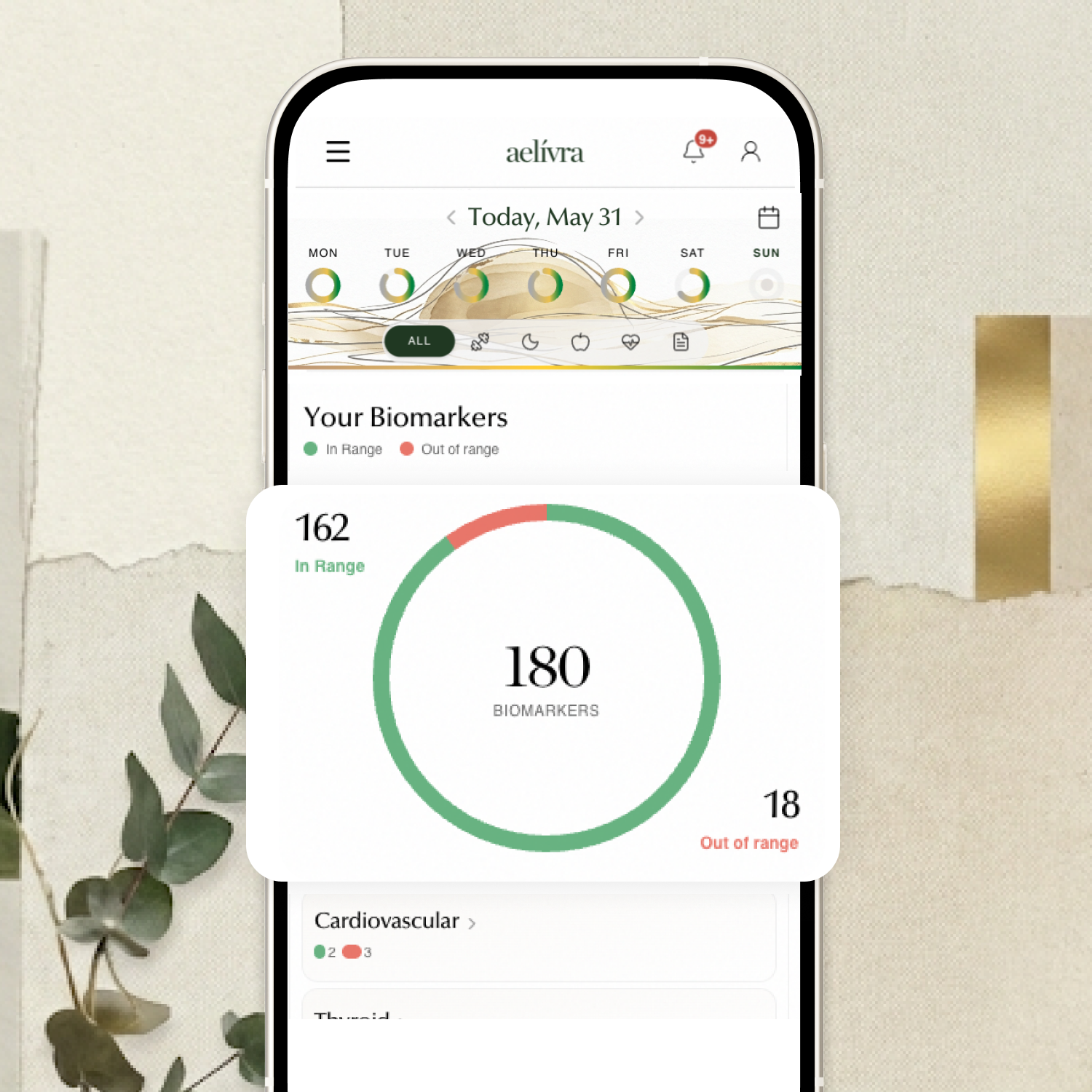
Blood work, scans, test results, medical reports — finally in one place and connected to how you actually feel. aelívra tracks biomarkers and health records over time, so you can see what's trending in the right direction and walk into your next appointment knowing exactly what to discuss.
Frequently Asked Questions
What is a normal BUN to creatinine ratio? A healthy ratio typically falls between 10:1 and 20:1. This balance shows your kidneys are filtering waste efficiently and you are adequately hydrated kidneyfl.org.
How do I lower my BUN level quickly? Increasing your water intake and temporarily reducing the amount of dietary protein you consume can help lower your BUN. Staying hydrated allows your kidneys to flush excess urea from your blood.
Is a ratio of 25 to 1 bad? A ratio of 25:1 is slightly elevated and usually points to mild dehydration or a high-protein meal rather than kidney disease. If your creatinine remains normal, a ratio of 25:1 is rarely a cause for alarm.
Can stress cause high BUN levels? Physical stress, such as a severe illness, gastrointestinal bleeding, or taking corticosteroid medications, can increase urea production and elevate your BUN litfl.com. Emotional stress does not directly spike your blood urea nitrogen.