Summary at a glance
Levels pairs a continuous glucose monitor (a small arm sensor that reads your blood sugar all day) with an app that scores your meals 1-10 — users love watching food affect them in real time.
The most consistent praise across sources: real-time meal scores, lasting habit change, and CGM access without the doctor-and-insurance hassle.
The most consistent complaints: the cost (sensors run about $100/month on top of the app), a scoring window that misses late spikes, frequent sync failures, and glucose targets tight enough to stress some people out.
Current app membership starts at $15/mo ($80/yr); lab-and-CGM bundles run $499/yr (Core) to $1,999/yr (Complete).
This review aggregates public sentiment — it is not first-hand testing, and it is not medical advice.
This article aggregates publicly available user sentiment about Levels. We have not used the product first-hand — every experiential claim is drawn from cited reviews. It is informational only and is not medical advice.
TL;DR verdict
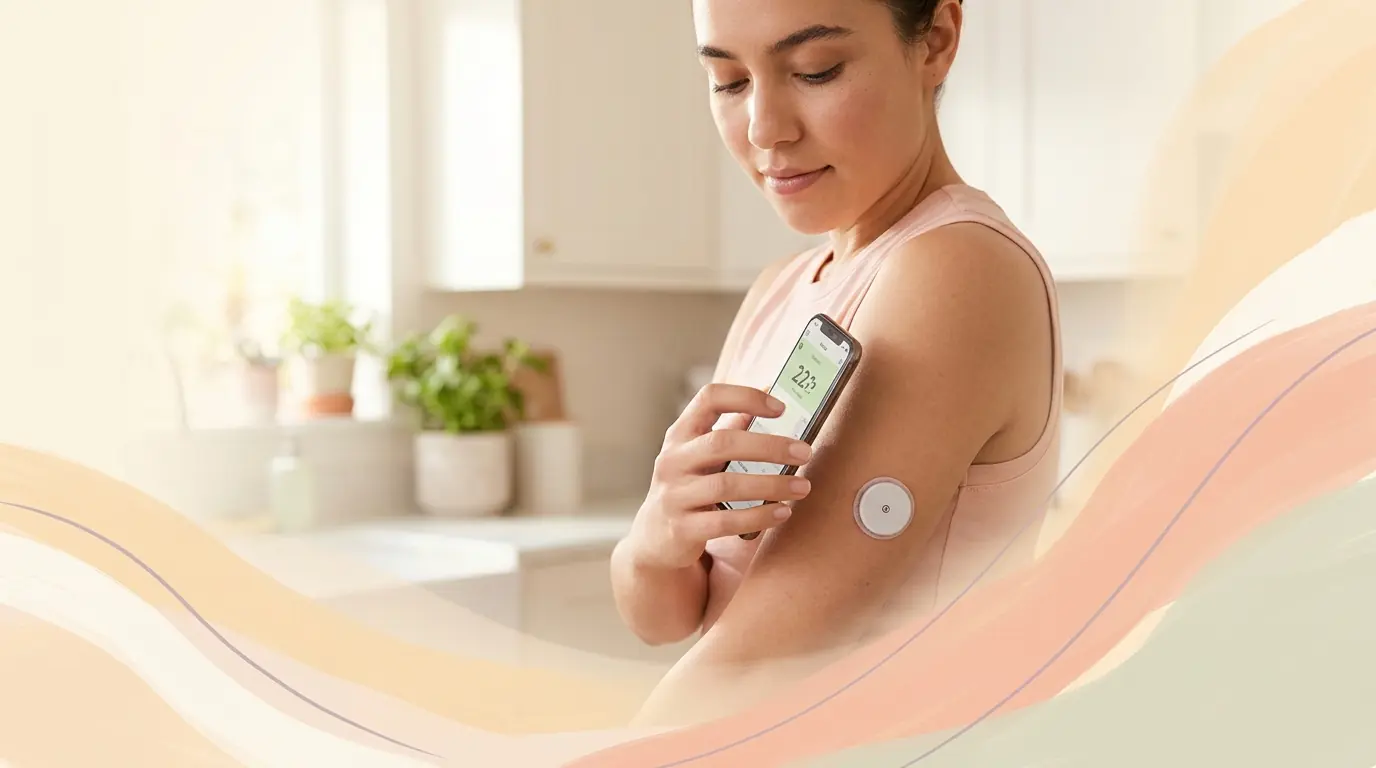
Levels is a metabolic-health app built around a continuous glucose monitor (CGM). A CGM is a small sensor you wear on your arm that reads your blood sugar day and night. You log meals, and Levels scores each one from 1 to 10 based on how your glucose responds.
Here is what real reviews say.
People who like Levels like the fast feedback on meals. Reviewers find it motivating to see a specific food spike their glucose and then fix it. A self-funded 2026 tester said: "The food scores are addicting and I have genuinely changed some things that I do in my life because of this app and the data is fascinating." youtube.com
People who lose interest name the same few problems: the price, a scoring window that misses late spikes, sync glitches, and targets tight enough to tip into food anxiety.
Levels fits a curious, non-diabetic optimiser who wants short bursts of data. It fits budget-conscious buyers and anyone with a history of disordered eating far less well.
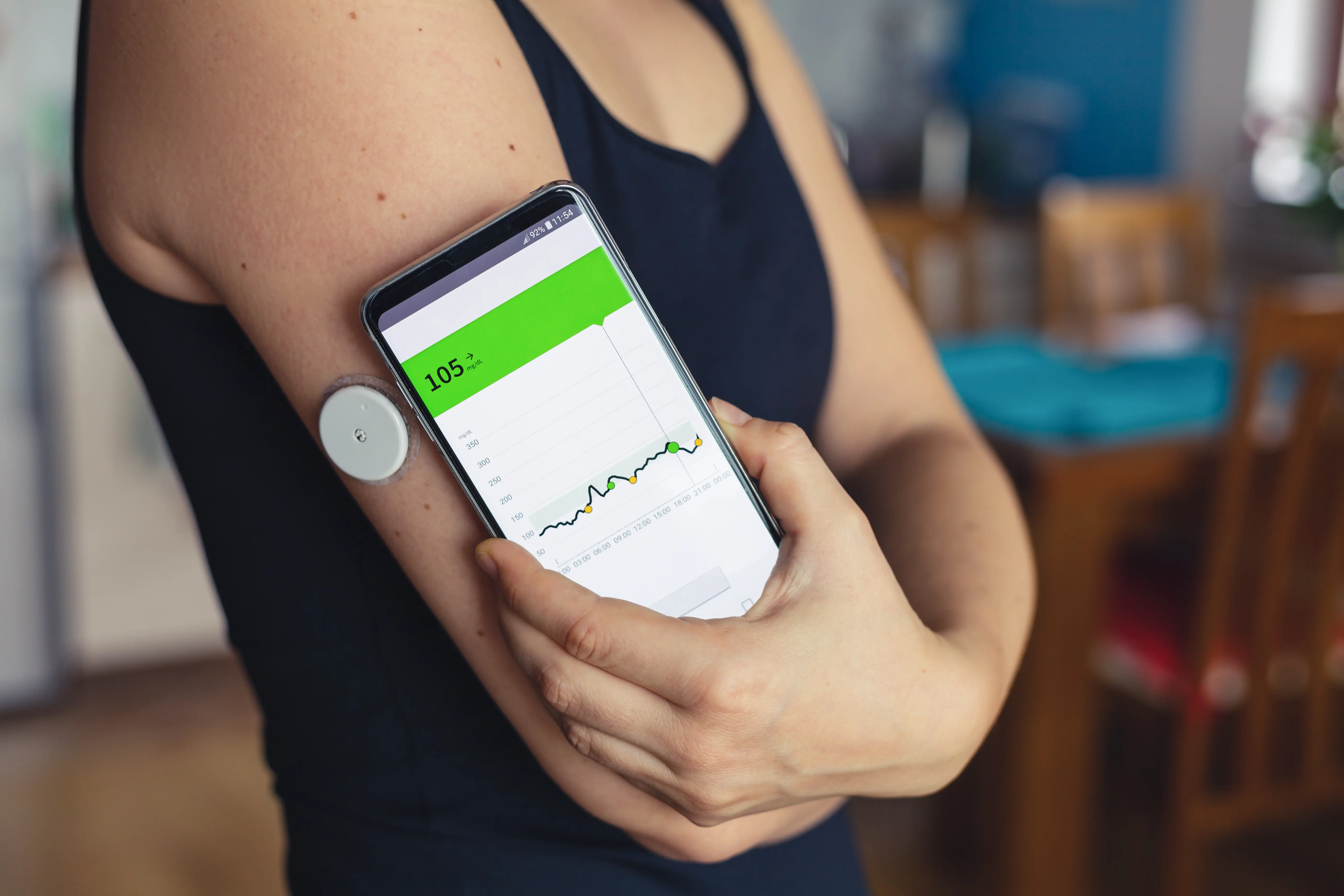 Continuous glucose monitor worn on the upper arm in daily life
Best for a non-diabetic optimiser who wants short, data-rich bursts (a couple of weeks, a few times a year) to learn how their own meals affect them. Year-round wear and anyone prone to food anxiety are poor fits.
LevelsAcross App Store reviews, Reddit threads and two independent testers, the most repeated theme is that real-time meal scores change behaviour. Reviewers flag the cost, the scoring blind spots and tight glucose targets equally often.
What is Levels?
Levels makes the software, and Dexcom makes the sensor. You wear a Dexcom continuous glucose monitor, and Levels reads the data and turns it into meal scores, trends, and coaching.
Using Levels takes three steps. You log a meal, the app watches your glucose for the next couple of hours, and you get a score. As the 2026 tester described it: "You log a meal and levels watches your glucose for two hours and then it gives you a score from 1 to 10." youtube.com
Reviewers value seeing how their own body responds to each food. One App Store reviewer explained the appeal: "half a banana will cause a glucose spike for me, but may have no measured impact for you!" apps.apple.com
Levels also offers AI photo food logging, adaptive in-app programs, imported wearable data (Apple Health and Apple Watch) and, on its paid tiers, lab panels reviewed by a licensed clinician. It is US-only and iOS-first.
Dexcom makes the glucose sensor and Levels reads its data, so you run two apps side by side.
Blood work, scans, test results, medical reports — finally in one place and connected to how you actually feel. aelívra tracks biomarkers and health records over time, so you can see what's trending in the right direction and walk into your next appointment knowing exactly what to discuss.
What does Levels cost?
Pricing has changed over time. The current figures below come from Levels' own pages levels.com. Older reviews quote older prices.
The entry point is an app membership: $15/mo, or $80/yr. The membership includes the Levels app, AI photo food logging, AI health insights, adaptive programs, wearable-data import, and past-bloodwork uploads. The CGM sensors and lab panels are paid add-ons on this tier.
Two bundles add labs and sensors:
A legacy Classic plan ($24/mo or $288/yr) still appears on the how-it-works page. Levels is also HSA/FSA eligible via Truemed.
User reviews quote higher costs than the official pricing, because reviewers quote what they paid out of pocket. The 2026 tester warned that continuous, year-round wear "is going to cost you $1,400 for the year and for some it'll be mentally exhausting and you'll start obsessing over every meal." youtube.com Treat that figure as one user's real cost, separate from any current list price. Sensors alone cost roughly $100 a month.
The entry-tier app membership excludes sensors and labs. Budget roughly $100/month extra for sensors if you want continuous glucose data.
Build your system (app membership)
$15/mo or $80/yr
Core
$41/mo or $499/yr
Complete
$167/mo or $1,999/yr
Classic (legacy, still on /how-it-works)
$24/mo or $288/yr
Build your system (app membership)
Levels app; AI photo food logging; AI health insights; adaptive programs; wearable data import; past bloodwork uploads; CGM/labs/dietitian as paid add-ons
Core
2 Essential Lab Panels (28+ markers); 1-month CGM; clinician review 2x/yr; app + AI insights + adaptive programs; unlimited bloodwork uploads
Complete
2 Comprehensive Labs (100+ markers); 2-months CGM (free shipping); clinician review 2x/yr; 50-min functional nutritionist session; dedicated concierge; advanced AI insights
Classic (legacy, still on /how-it-works)
1-month CGM; Levels app & dashboard; self-guided insights; unlimited bloodwork uploads
What users consistently praise
Reviewers praise two things most: the real-time feedback and the habit changes it drives.
Reviewers like the meal scores most. Each meal gets a number you can try to beat the next day, which makes nutrition something you can act on. Reviewers describe it as motivating to the point of "addicting" youtube.com.
Many reviewers say the habit changes last. Walking after meals, eating protein and fat before carbs, and eating earlier show up across App Store reviews and both independent testers.
The AI photo food logging earns specific praise. The 2026 tester noted: "You just take a picture of your plate and it identifies everything and it works amazingly well." youtube.com
Many people value the easy access to a sensor. One App Store reviewer valued "the access to the Dexcom without the dr hassle over insurance" apps.apple.com. You need no prescription and face no wait.
Reviewers also agree on how to use it well. In a late-2023 r/PeterAttia thread, the top-voted approach was short bursts: "The way I have used it, which I think is useful, is literally 1-2 weeks twice a year." reddit.com Their advice is to learn what spikes your glucose, then stop wearing the sensor.
The two columns below summarise the trade-off reviewers describe.
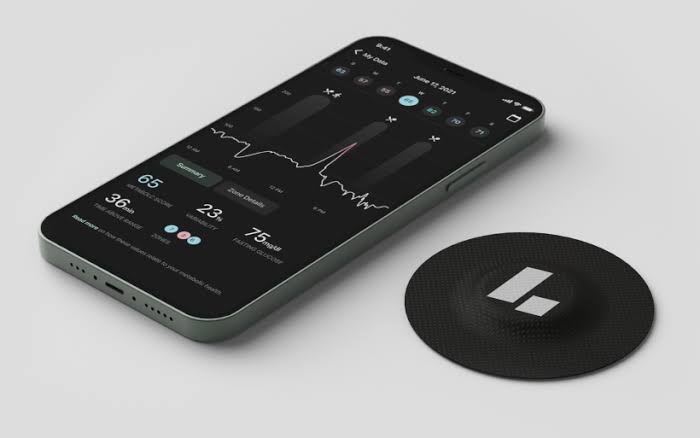 Levels app showing a real-time glucose graph
Levels: what reviewers report
Real-time meal scores show how specific foods spike your glucose, and you can compare the same meal across different days
Users report lasting habit change: walking after meals, protein and fat before carbs, eating earlier
AI photo food logging is well-liked for accurately identifying meals
CGM access without the insurance or doctor hassle, and no prescription needed for the underlying sensor
Expensive: sensors cost about $100/month on top of the app membership
The two-hour meal-scoring window can miss late dinner spikes, and extending it does not help
Two-app setup (Dexcom sensor app plus Levels) and reviewers report frequent sync failures
Tight glucose targets can push a restrictive low-carb diet and, for some, food anxiety
Common complaints
The complaints are consistent enough to plan around. Several come from reviews a year or more old, so we give the date of each.
The scoring misses late spikes. The 2026 tester ate a pizza, scored a six, then spiked hours later, and the score never updated. The tester said: "So, I extended the scoring window to 3 hours, and the score didn't change." youtube.com
Sync fails often. In an undated App Store review, one user wrote: "75% of the time I have to close the app and reopen it to get it to sync and add the newest glucose data. This is the app's primary function and it fails." apps.apple.com
The AI coach can be confidently wrong. Another undated App Store review flagged it: "This 'coach' not only gives you bad advice it sometimes pulls the wrong data and then confidently analyzes it" apps.apple.com.
The guidance can feel generic. The same critique noted: "There is no pattern recognition, no personalized dietary suggestions and oddly the overall tone is cold to neutral" apps.apple.com. The same review said the app is not built for serious athletes.
Wearing the sensor is not painless. In a 2024 blog review, the tester wrote: "I hated punching that CGM into my skin; if you get it wrong, you can be in a lot of discomfort and even bleed through your clothes." ablueskymind.com The 2026 tester described the two-app setup this way: "It's clunky, but it works." youtube.com
The targets are tight. In a 2023 r/levelshealth thread, a reviewer argued Levels "has also chosen an extremely tight range for 'ideal' glucose levels, not to exceed 110 mg/dL, which will funnel most people into a low-carb/keto-style diet." reddit.com
It can lead to anxiety. In a 2022 r/levelshealth thread, one user wrote: "I can't wait for the eating disorder this device is going to give me." reddit.com
Several complaints come from reviews 1-4 years old. AI-coach quality and sync reliability may have changed since then. Read older quotes as a record of the app on their date.
Who Levels is for and who it is not
Levels fits you if you are a curious, non-diabetic person who wants to learn how your own meals affect you, and you are happy to do it in short bursts. Reviewers recommend wearing it a week or two at a time, and advise against year-round wear.
Levels fits less well if you are on a budget. In a 2023 r/levelshealth thread, a long-time user said the sensor was worth more than the software: "The app is cool but the monitor is the main thing." reddit.com
It fits serious athletes poorly. Reviewers say the "all spikes are bad" approach does not suit people whose training deliberately moves their glucose apps.apple.com.
It also fits anyone with a history of disordered eating poorly. A clinician in a late-2023 r/PeterAttia thread called continuous monitoring for healthy people "overkill for most people to use by themselves." reddit.com
You may want a clear picture of your metabolic and biomarker data over time without the risk of food anxiety. If so, tracking that connects your labs with how you feel may serve you better than a live glucose feed.
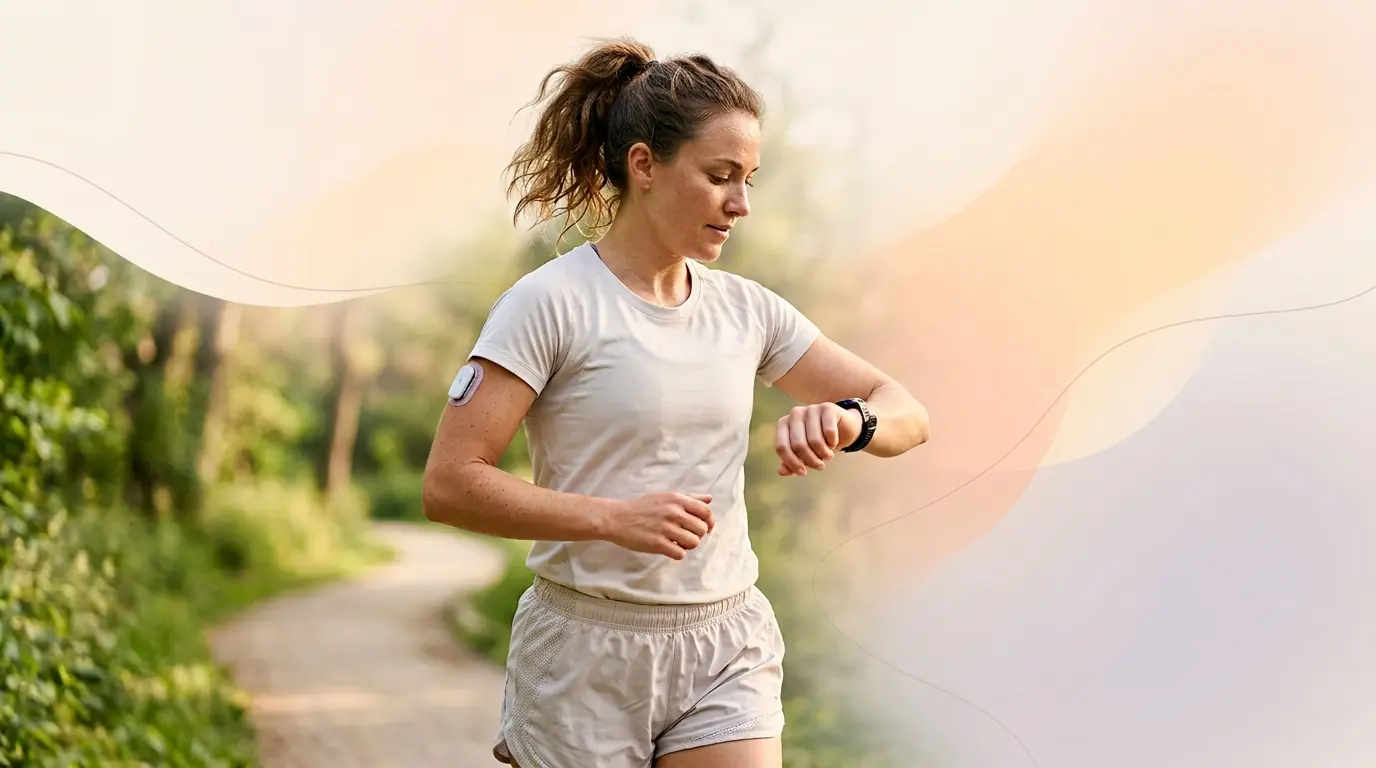
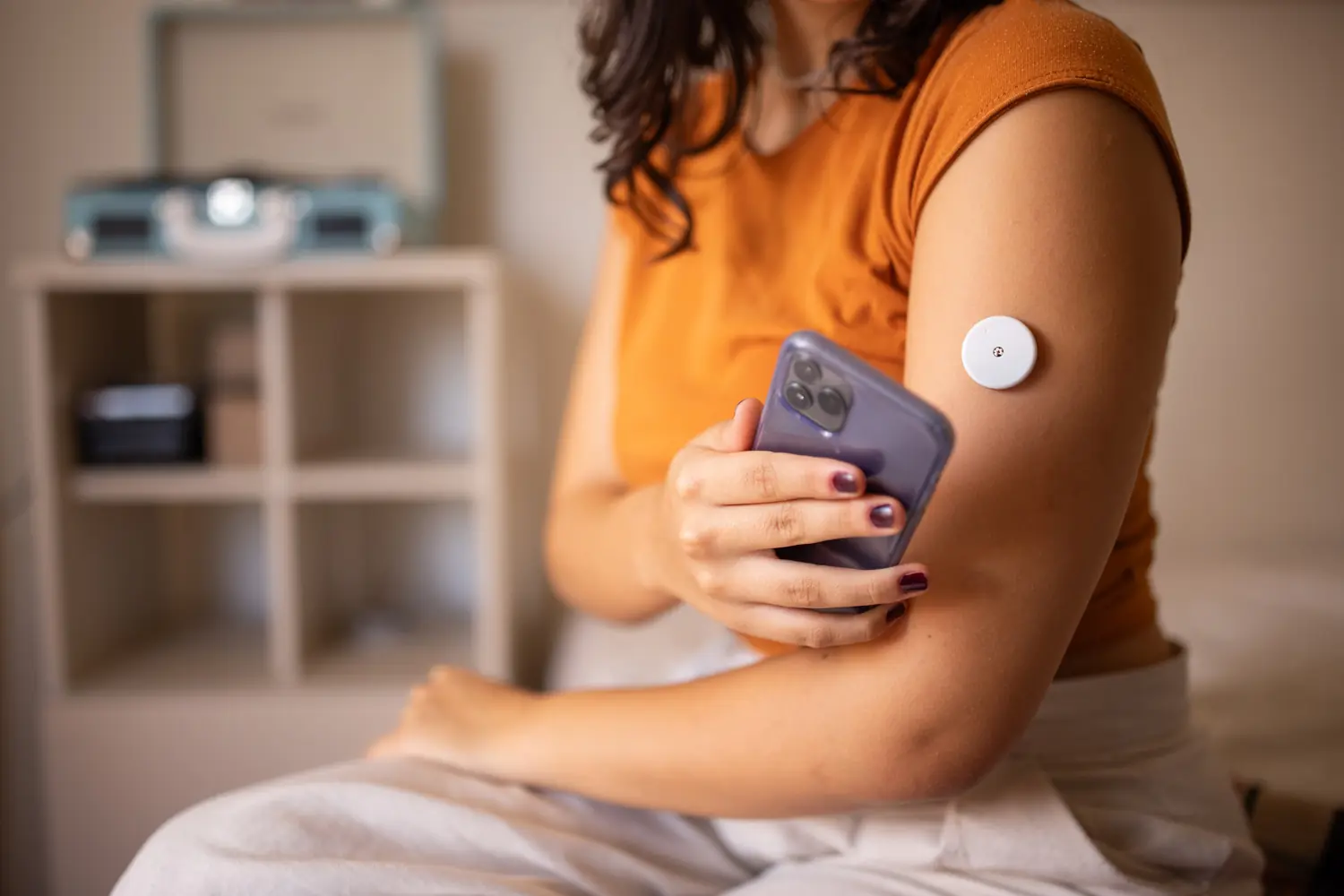 Person wearing a continuous glucose monitor sensor
How we researched this review
We have not used Levels ourselves. This review aggregates public user sentiment, gathered on 2026-07-16, across four source types.
Apple App Store apps.apple.com: Levels holds a 4.7/5 rating across roughly 6,600 ratings, a large base. We captured 10 full-text reviews verbatim, from five-star praise to pointed one-and-two-star critiques. The store does not show per-review dates, so we mark App Store quotes as undated. One references an AI-coach feature added around 2024 or later, so at least one critical review is recent.
Two independent, self-funded testers: a 2026 video tester who bought their own subscription and sensors youtube.com (they use an affiliate link), and a 2024 blog review ablueskymind.com from a one-month self-funded test. The 2026 account is our strongest recent source.
Seven Reddit threads reddit.comreddit.comreddit.com: five from r/levelshealth and two from r/PeterAttia, posted between 2022 and 2025. All are more than a year old, so every Reddit quote here carries its date.
Trustpilot trustpilot.com: we checked twice and found no reviews for levels.com. No part of this review comes from Trustpilot.
Levels is iOS-first and has no live Google Play listing, so these opinions skew toward iPhone users. Frequencies here are qualitative judgments, weighted toward themes that recur across at least two independent sources.
This review gathers public opinion as of July 2026. We did no first-hand testing. Trustpilot returned no usable reviews, and there is no Google Play listing, so the picture skews toward iOS users.
Frequently asked questions
Do you need a prescription to use Levels?
No. Reviewers repeatedly note that the underlying Dexcom sensor needs no prescription, and that skipping the doctor-and-insurance route is a big part of the appeal apps.apple.com.
How much does Levels really cost?
The app membership starts at $15/mo ($80/yr), with Core at $499/yr and Complete at $1,999/yr per Levels' own pricing levels.com. Sensors cost extra at roughly $100/month, so real spending is higher. One 2026 tester put year-round use near $1,400 youtube.com.
Is Levels worth it for a healthy, non-diabetic person?
Reviewers are split, and the most common advice is to use it in bursts. In a late-2023 r/PeterAttia thread, the top-voted view was "literally 1-2 weeks twice a year" reddit.com. The advice is to learn your patterns and then stop wearing it.
Can Levels cause food anxiety?
For some people, yes. Its glucose targets are tighter than typical clinical guidance, and reviewers have flagged obsessive use. One 2022 thread said "I can't wait for the eating disorder this device is going to give me." reddit.com If you have a history of disordered eating, approach it with caution.
Does it work on Android?
Levels is iOS-first, and we found no live Google Play listing as of July 2026. If you are on Android, check current availability before committing.

Cameron founded aelívra after years of living an unknown no one could answer — navigating chronic health complexity through a medical system that wasn't built for it. That experience became a conviction: everyone deserves to feel truly alive, and no one should have to accept not knowing as a way of life. His work sits at the intersection of data science and functional health and wellbeing, turning the latest trusted medical research across news, health, wearables, biomarkers, and more into advice everyday people can use on their journeys toward feeling better. Every article is grounded in peer-reviewed evidence and linked to its primary source. This content is for informational purposes only and does not replace medical advice.