
Summary at a glance
Waking up at 3 AM often results from a physiological emergency response where the brain releases cortisol to counteract falling blood sugar levels.
Sleep maintenance insomnia differs from sleep onset issues, as it involves high nocturnal cortisol rather than a simple struggle to fall asleep.
Chronic sleep interruptions significantly increase cardiovascular risks, including a higher likelihood of developing atrial fibrillation.
Stabilising evening glucose with a protein-rich snack prevents the brain from entering starvation mode and triggering a midnight cortisol alarm.
Managing daytime stress and anchoring the circadian rhythm with morning light exposure helps keep cortisol levels low throughout the night.
The information in this article regarding sleep maintenance insomnia, cortisol regulation, and metabolic health is for educational purposes only. It does not replace professional medical advice, diagnosis, or treatment for sleep disorders or endocrine conditions. Always consult a healthcare provider before making significant changes to your diet or sleep routine, especially if managing conditions like diabetes or heart disease.
Why Do I Wake Up at 3 AM Every Night?
Waking up at 3 AM is rarely a random event. It acts as a biological emergency response. The brain triggers a sudden spike in cortisol to counteract falling blood sugar levels. This hormonal surge disrupts deep sleep. It leaves people feeling physically exhausted but mentally wide awake.
Cortisol is a glucocorticoid steroid hormone produced by the adrenal glands my.clevelandclinic.org. It affects nearly every tissue in the body. It regulates glucose usage, manages blood pressure, and drives the sleep-wake cycle my.clevelandclinic.org. During times of stress, cortisol signals the liver to release stored glucose for fast energy my.clevelandclinic.org. This mechanism works perfectly for daytime physical challenges. At night, it becomes highly disruptive.
When a person experiences a steep drop in blood sugar overnight, the body views this as a survival threat. It releases a combination of cortisol and adrenaline to restore energy balance blog.ultrahuman.com. This sudden release of stress hormones jolts the brain into a state of high alertness. The body prioritises immediate fuel access over restorative rest.
Poor sleep continuity affects a vast portion of the population. According to Stanford Lifestyle Medicine (2025), approximately one-third of adults report sleeping less than 7 hours per night lifestylemedicine.stanford.edu. Waking up repeatedly during the night contributes heavily to this chronic sleep deficit. Fixing these wakeups requires understanding the hidden metabolic triggers. Treating the symptoms with sedatives often masks the underlying hormonal imbalance.
Cortisol is not inherently bad; it is a vital hormone that simply gets released at the wrong time during sleep maintenance insomnia.
Is Cortisol Causing My Sleep Maintenance Insomnia?
Sleep maintenance insomnia involves waking up during the night and struggling to return to rest. This differs entirely from sleep onset insomnia. People with maintenance issues often drift off easily at bedtime. They then find themselves staring at the ceiling a few hours later. The root cause usually traces back to endocrine disruption rather than environmental noise.
| Feature | Sleep Maintenance Insomnia | Sleep Onset Insomnia |
|---|---|---|
| Core Problem | Difficulty staying asleep | Difficulty falling asleep |
| Primary Hormone | High nocturnal cortisol | Low evening melatonin |
| Common Triggers | Blood sugar drops or stress | Blue light or caffeine |
| Wakeup Time | Usually 2 AM to 4 AM | Late evening to midnight |
| Physical Feeling | Sudden alertness or racing heart | Restlessness or physical tension |
Chronic insomnia links closely with a hyperaroused central nervous system. This heightened state persists across both sleeping and waking hours pmc.ncbi.nlm.nih.gov. A 2025 study in PMC reports that morning cortisol levels show a significant positive correlation with the Insomnia Severity Index (r = 0.37) pmc.ncbi.nlm.nih.gov. The higher the daytime stress load, the more severe the nighttime awakenings become.
When the body maintains high levels of stress hormones overnight, it suppresses the natural depth of rest. Cortisol dictates energy availability and alertness. When levels spike unnecessarily at 3 AM, the internal environment signals that the day has started. This makes returning to sleep feel physically impossible, even in a dark and quiet room.
 A structured view of sleep data and cortisol testing markers.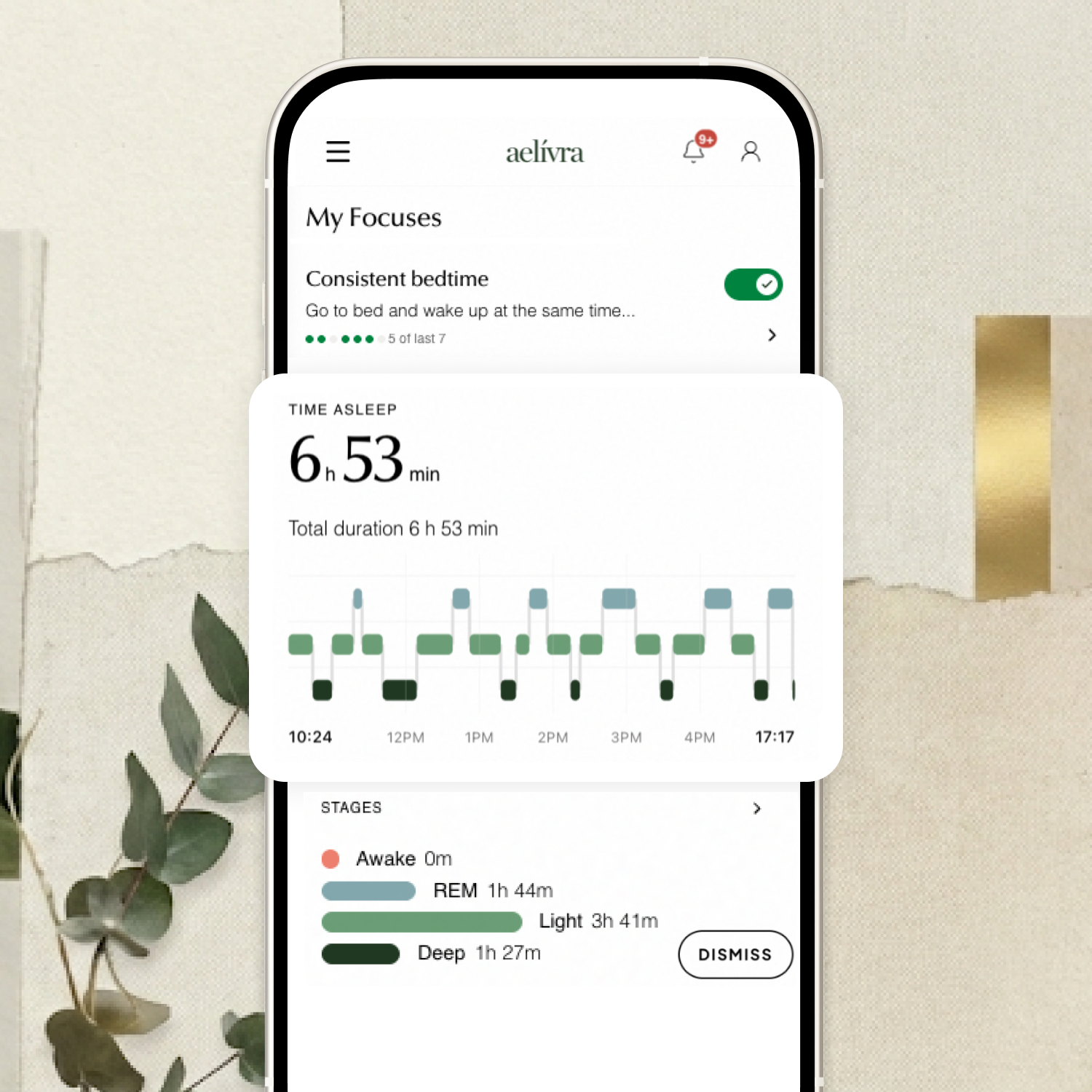
Get the rest you've always deserved. aelívra connects your sleep quality to your daytime energy, mood, and symptoms — then gives you practical steps based on your own patterns so you can finally get restorative rest, not just hours in bed.
Can Low Blood Sugar Wake You Up at Night?
A sudden dip in nocturnal blood glucose often triggers the early morning wakeup. The most restorative sleep phases happen deep in the night. However, 3 AM wakeups frequently coincide with these exact phases blog.ultrahuman.com. The resulting disruption shatters the body's primary recovery window.
The brain demands a constant supply of energy to function. When blood sugar drops too low, the pancreas decreases insulin and increases glucagon my.clevelandclinic.org. This prompts a counter-regulatory release of cortisol and adrenaline blog.ultrahuman.com. The physical result feels like an internal alarm clock sounding off in the darkness.
A 2025 cross-sectional study in PMC found that nocturnal hypoglycemia occurred in 50% of observed insulin-treated adults pmc.ncbi.nlm.nih.gov. Even in people without diabetes, steep glucose fluctuations severely disrupt rest. Eating a dinner high in refined carbohydrates causes a rapid blood sugar spike. A sharp crash inevitably follows a few hours later, sending the nervous system into a panic.
For further details on how diet affects daily physical patterns, our guide on Understanding Your Metabolic Triggers offers deep insights. Stabilising evening glucose through balanced nutrition prevents the brain from entering starvation mode. This keeps the adrenal glands quiet. It allows the sleep cycle to continue naturally without biochemical interruptions.
Eating a spoonful of almond butter before bed provides steady, slow-burning energy to prevent nocturnal blood sugar crashes.
What Are the Long-Term Risks of Fragmented Sleep?
Chronic sleep interruption places a measurable strain on the cardiovascular system. During healthy rest, heart rate and blood pressure naturally dip. This nightly reduction allows the cardiovascular system to repair itself mindbodygreen.com. Constant mid-night awakenings deny the heart this vital recovery period.
When cortisol repeatedly forces the body awake, the heart never gets essential downtime. Harvard Health Publishing (2026) reports that insufficient sleep is linked to a higher risk of atrial fibrillation health.harvard.edu. The constant nighttime surges of adrenaline force the heart to work harder than it should. Blood pressure remains elevated when it should be at its lowest point in the 24-hour cycle.
The risks compound when sleep disruption pairs with other conditions. A 2026 report by mindbodygreen states that having comorbid insomnia and obstructive sleep apnea is associated with more than triple the risk of developing cardiovascular disease mindbodygreen.com. This combination of conditions affects approximately 14% of participants in a large longitudinal study of U.S. Veterans mindbodygreen.com.
Treating sleep maintenance issues directly protects long-term health. Restoring unbroken sleep lowers resting heart rate and reduces systemic inflammation. For further exploration of the link between rest and heart health, reviewing our article on Tracking Your Cardiovascular Health Metrics provides additional context. Prioritising continuous sleep creates a strong foundation for physical resilience.
 A person resting peacefully, representing deep cardiovascular recovery.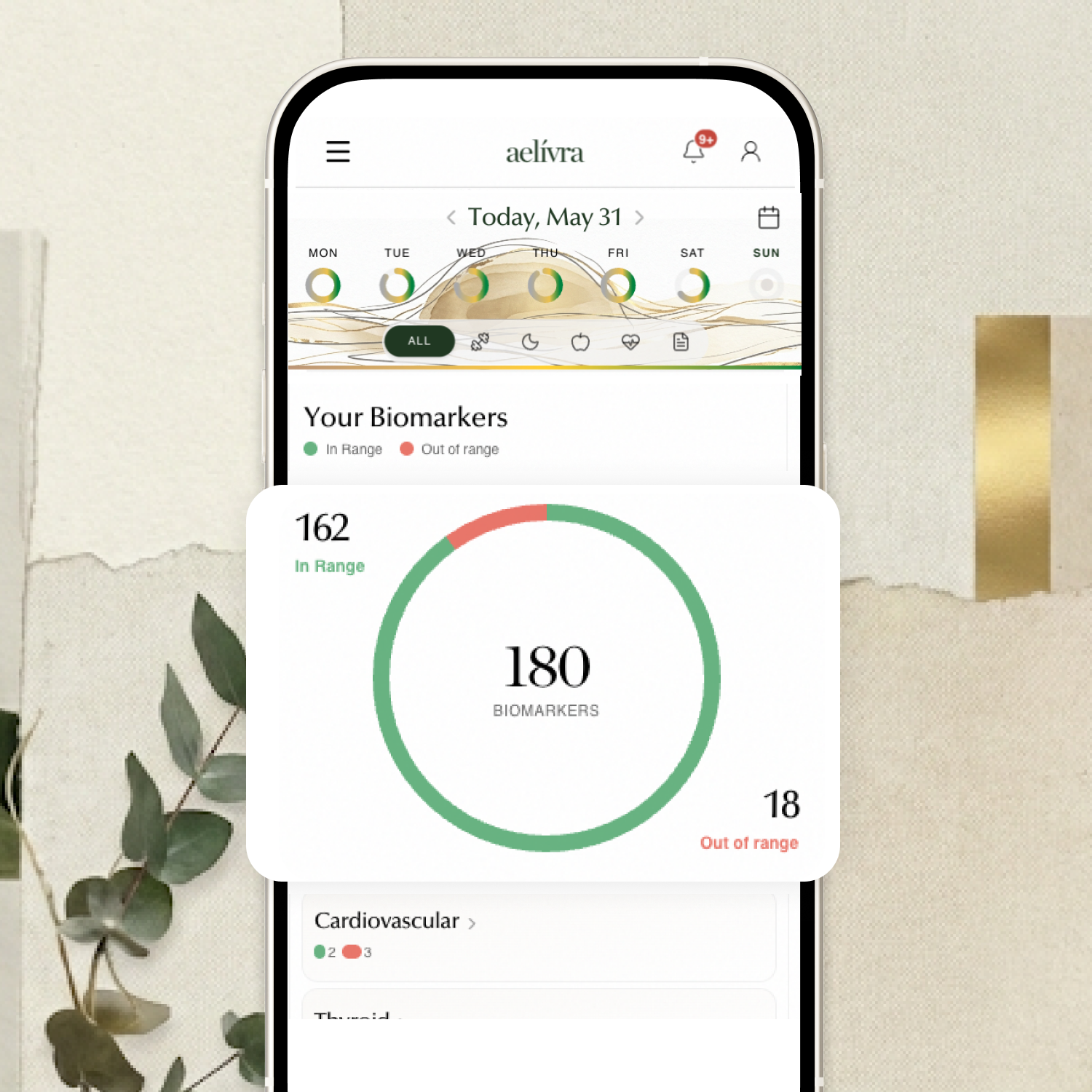
Blood work, scans, test results, medical reports — finally in one place and connected to how you actually feel. aelívra tracks biomarkers and health records over time, so you can see what's trending in the right direction and walk into your next appointment knowing exactly what to discuss.
How Can I Stop Waking Up in the Middle of the Night?
Breaking the cycle of 3 AM wakeups requires calming the stress response and steadying blood sugar. The primary goal involves keeping glucose stable and teaching the nervous system that it is safe to rest. Small daily shifts create profound changes in nighttime hormonal patterns.
The Australian 24-hour movement guidelines provide clear recommendations for adults to manage sleep and daily movement health.gov.au. Consistent physical activity helps burn off excess daytime cortisol. This makes it easier for the body to power down at night. Regular exercise signals the circadian clock to align properly with daylight hours.
Adding a small, protein-rich snack before bed offers a highly effective strategy. A spoonful of almond butter or a handful of walnuts provides slow-burning energy. This prevents the nocturnal glucose dip that triggers the cortisol alarm. Building a nutritional buffer stops the chemical panic response before it begins.
Managing light exposure also anchors the circadian rhythm. Bright morning sunlight helps set the body's internal clock. Avoiding screens during a mid-night awakening helps preserve melatonin levels. Blue light signals the brain to halt melatonin production, which locks the nervous system into a state of wakefulness. Aligning these foundational daily habits helps restore deep, continuous rest.
Regular daytime movement helps burn off excess cortisol, naturally preparing the nervous system for deeper sleep at night.
Frequently Asked Questions
Is it normal to wake up at 3 am?
Brief awakenings happen naturally between sleep cycles as people shift positions. Becoming fully alert and struggling to return to sleep points to a hormonal or metabolic imbalance.
What should I eat before bed to stay asleep?
A combination of protein and healthy fats helps stabilise blood sugar overnight. A small serving of Greek yoghurt or a handful of pumpkin seeds provides steady energy.
Can stress cause middle-of-the-night wakeups?
Yes. Chronic daytime stress keeps the nervous system in a state of hyperarousal. This makes the body highly sensitive and more likely to release cortisol prematurely during the night.
Why do I feel wide awake when I wake up at 3 am?
The body releases cortisol and adrenaline to counteract low blood sugar. These stimulating hormones increase heart rate and create sudden, unwanted mental alertness in the middle of the night.

Cameron founded aelívra after years of living an unknown no one could answer — navigating chronic health complexity through a medical system that wasn't built for it. That experience became a conviction: everyone deserves to feel truly alive, and no one should have to accept not knowing as a way of life. His work sits at the intersection of data science and functional health and wellbeing, turning the latest trusted medical research across news, health, wearables, biomarkers, and more into advice everyday people can use on their journeys toward feeling better. Every article is grounded in peer-reviewed evidence and linked to its primary source. This content is for informational purposes only and does not replace medical advice.