Summary at a glance
The 2026 University of Bristol study reveals that persistent short sleep in children doubles their risk of developing ongoing adolescent depression.
Early childhood sleep deprivation acts as a primary predictor of mental health struggles, rather than just a symptom of existing distress.
A 2026 study of over 4,500 adolescents found that household stressors directly drive severe sleep problems in teenagers.
Catch-up sleep serves as a crucial protective factor, building resilience against depressive symptoms in young adulthood.
This article discusses research regarding childhood sleep patterns, pediatric insomnia, and adolescent depression risks. It is provided for informational purposes only and does not constitute a medical diagnosis or treatment plan. Always consult a qualified healthcare provider or pediatrician regarding your child's sleep health or mental wellbeing.
What did the 2026 University of Bristol study find about sleep and depression?
In June 2026, the University of Bristol published research showing that children with persistent short sleep patterns face double the risk of developing ongoing depression later in life. The study followed the ALSPAC cohort and identified early childhood sleep deprivation as a powerful predictor of future mental health struggles.
This finding changes how medical professionals view rest. Poor sleep acts as an early warning sign rather than just a symptom of existing distress. The American Psychological Association (2026) notes that psychologists now look to these biological indicators to support childhood wellbeing apa.org. Identifying these patterns early gives families a genuine head start.
How does persistent sleep loss in childhood double depression risk?
Persistent sleep loss alters how the developing brain handles emotional stress. When children consistently miss out on rest, they miss the critical recovery phases that clear metabolic waste and build emotional resilience apa.org. This disruption leaves them more vulnerable to the normal pressures of growing up.
The University of Bristol (2026) reports that this doubled risk specifically ties to consistent, long-term sleep deprivation apa.org. A few late nights will not cause lasting harm. The true danger lies in a chronic pattern of inadequate rest that compounds over years. Understanding the difference between core sleep vs deep sleep helps parents recognize when restorative phases are missing.
The University of Bristol study highlights that the risk is driven by chronic patterns, not occasional late nights.
Do family stressors impact a child's risk of future sleep problems?
The home environment plays a massive role in shaping adolescent sleep architecture. A 2026 study of 4,561 adolescents found that family-wide stressors between ages 12 and 16 significantly increase the likelihood of sleep problems by age 17 pubmed.ncbi.nlm.nih.gov. These stressors include major life changes and minor everyday disruptions.
Expert researchers confirm this connection remains strong regardless of gender or background. E. Flouri, a researcher at the Department of Psychology and Human Development at University College London (2026), notes that interventions must target young people navigating a high number of family transitions pubmed.ncbi.nlm.nih.gov.
| Factor Type | Example | Impact on Mental Health |
|---|---|---|
| Persistent short sleep | Consistently missing hours | Doubles the risk of ongoing depression apa.org |
| Family stressors | Frequent household changes | Drives severe sleep problems at age 17 pubmed.ncbi.nlm.nih.gov |
| Catch-up sleep | Resting on weekends | Acts as a protective factor in young adulthood (link unavailable) |
 Family discussing daily routines at home
Can 'catch-up sleep' protect against adolescent depression?
Managing sleep debt acts as a crucial protective factor. Researchers have found that adolescents who actively catch up on lost sleep show greater resilience against depressive symptoms in young adulthood (link unavailable). This recovery rest helps reset the nervous system after a demanding week.
However, waiting for the weekend is not a complete solution. Catching up cannot fully replace the biological necessity of consistent nightly rest. It merely patches the immediate deficit. For families dealing with complex patterns, tracking these habits reveals whether a child is genuinely recovering or just surviving until Saturday.
Consistent wake times on weekends help avoid social jetlag, while still allowing for reasonable recovery rest.
Why does tracking adolescent sleep debt matter?
Waiting for teenagers to exhibit severe mood changes means missing the window for early intervention. Monitoring sleep provides a reliable, objective look at their baseline health. It turns vague concerns into visible data.
aelívra helps families connect sleep quality to daytime mood and energy, providing the certainty they search for. By mapping these patterns, parents can see how rest directly influences emotional stability. They can discover the stress cycles driving symptoms before they escalate. This context proves invaluable when discussing concerns at a medical appointment.
Spotting these trends early allows families to adjust routines. A proactive approach is much easier than untangling chronic issues years down the line. It may also help adults understand related issues in their own lives, like cortisol and sleep maintenance insomnia.
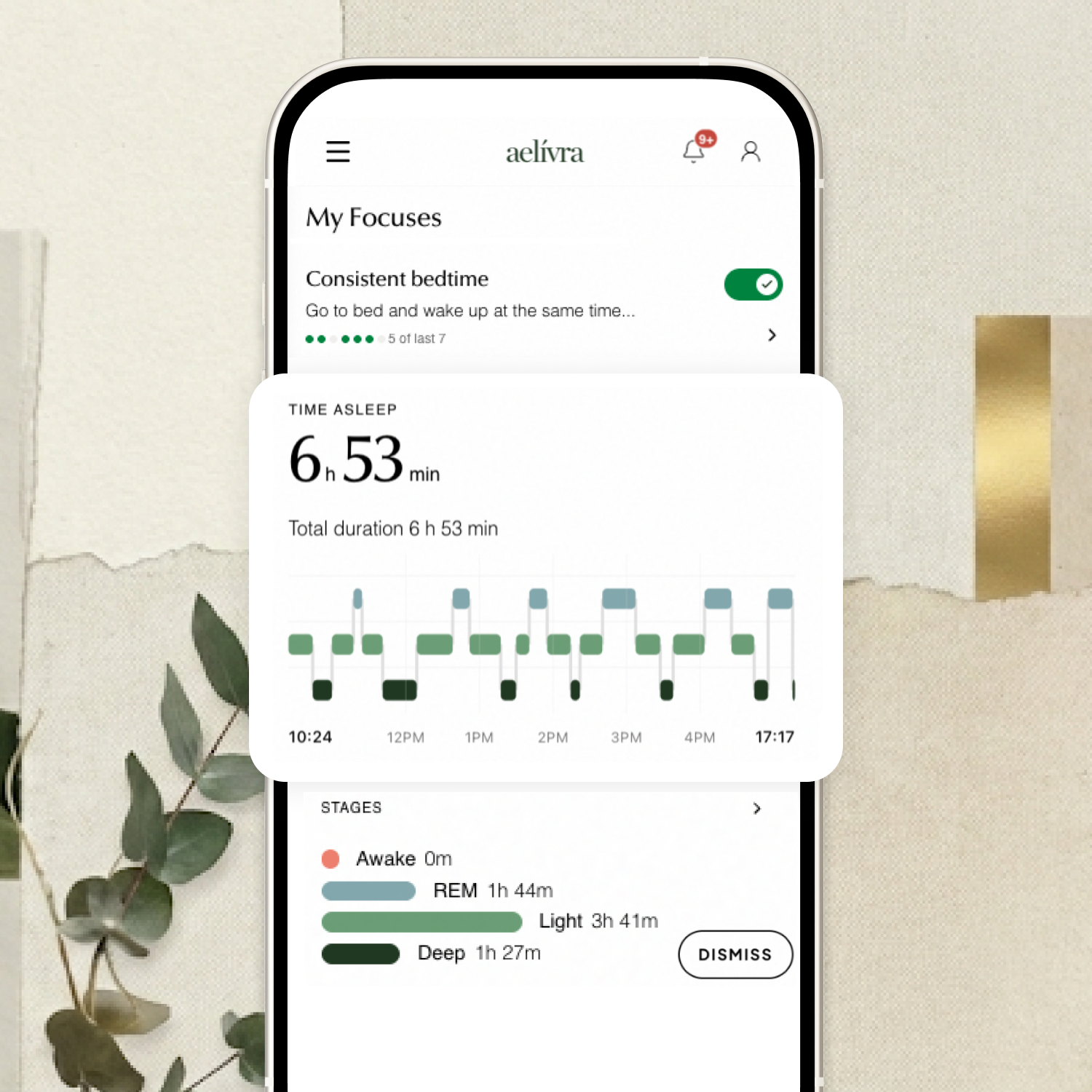
Get the rest you've always deserved. aelívra connects your sleep quality to your daytime energy, mood, and symptoms — then gives you practical steps based on your own patterns so you can finally get restorative rest, not just hours in bed.
Frequently Asked Questions
What counts as short sleep for children under ten?
Short sleep generally refers to consistently getting fewer than the nine to twelve hours recommended for primary school children. This deficit must be persistent over months to elevate risk significantly.
Does one bad night increase depression risk?
No. The 2026 research emphasizes that occasional poor sleep does not cause long-term harm. The doubled risk strictly associates with chronic, persistent sleep deprivation apa.org.
Can improving sleep reverse the risk of depression?
Yes. Addressing adolescent sleep debt and stabilizing nightly routines serves as a strong protective factor against young adult depression (link unavailable).
Sources

Cameron founded aelívra after years of living an unknown no one could answer — navigating chronic health complexity through a medical system that wasn't built for it. That experience became a conviction: everyone deserves to feel truly alive, and no one should have to accept not knowing as a way of life. His work sits at the intersection of data science and functional health and wellbeing, turning the latest trusted medical research across news, health, wearables, biomarkers, and more into advice everyday people can use on their journeys toward feeling better. Every article is grounded in peer-reviewed evidence and linked to its primary source. This content is for informational purposes only and does not replace medical advice.