Summary at a glance
CD19-targeting CAR T-cell therapy shows early success in driving refractory lupus into clinical remission without ongoing medication.
The Phase I CARLYSLE trial data highlights the effectiveness of obecabtagene autoleucel in both adolescent and adult populations.
Cellular therapy actively clears malfunctioning B-cells to allow the body to regenerate a healthy immune response.
Patients experiencing complete remission can eventually cease traditional daily immunosuppressants to reduce long-term medication side effects.
Medical Disclaimer: The information regarding CAR T-cell therapy and the CARLYSLE trial is for educational purposes based on 2026 clinical data. It does not replace professional medical advice. Always consult a rheumatologist before altering any lupus medication or pursuing clinical trial enrollment.
How does CAR T-cell therapy work for severe lupus?
In June 2026, researchers at University College London presented early data at the EULAR conference demonstrating that CD19-targeting CAR T-cell therapy can drive severe lupus into clinical remission. The Phase I CARLYSLE trial reveals that the treatment known as obecabtagene autoleucel actively reprograms the immune system to stop attacking healthy tissue academic.oup.com.
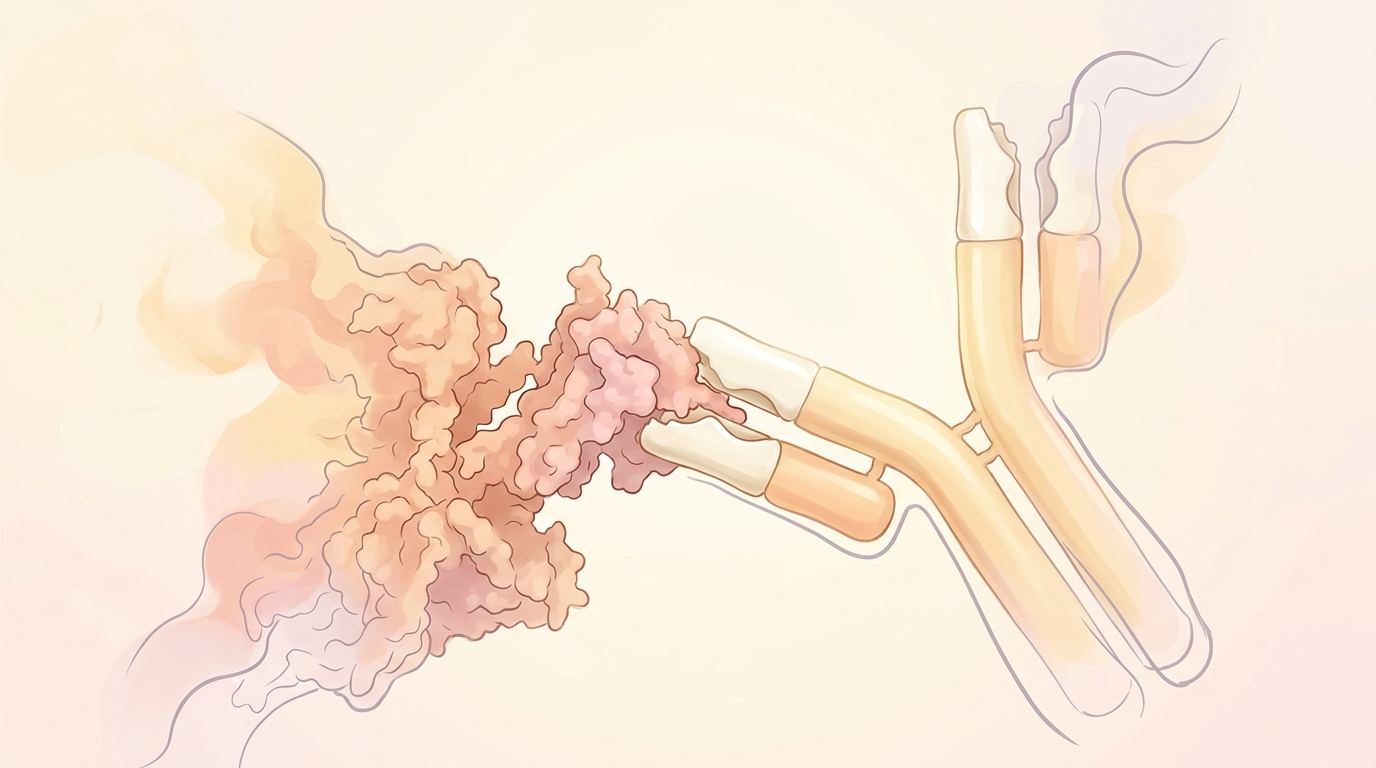
CAR T-cell therapy involves extracting a patient's own immune cells and engineering them in a laboratory. Scientists modify these T-cells to target a specific protein called CD19. This protein lives on the surface of B-cells.
In severe refractory systemic lupus erythematosus, faulty B-cells produce autoantibodies that attack the body. The modified T-cells hunt down and eliminate these hyperactive B-cells. University College London Cancer Institute (2026) reports that this process shows significant early promise in treating severe lupus (link unavailable). Dr. Maria Efthymiou notes the therapy stops the cycle of chronic inflammation at its source (link unavailable).
This targeted approach differs entirely from broad immunosuppressants. Standard medications suppress the entire immune response. CAR T-cell therapy removes only the malfunctioning cells.
What were the results of the CARLYSLE trial at EULAR 2026?
The CARLYSLE trial data presented at the 2026 EULAR conference shows measurable clinical outcomes for patients with treatment-resistant lupus academic.oup.com. The study tests the safety and effectiveness of obecabtagene autoleucel (obe-cel) academic.oup.com.
Oxford Academic Rheumatology (2026) published study P157, reporting that CD19-targeting CAR T-cell therapy drives measurable clinical outcomes in patients with refractory systemic lupus erythematosus academic.oup.com. Preliminary findings show that this therapy achieves deep remission in patients who previously failed standard therapies.
| Trial Identifier | Treatment Name | Target Phase | Patient Population |
|---|---|---|---|
| NCT06333483 | Obecabtagene autoleucel | Phase I | Adolescent and adult |
ClinicalTrials.gov (2026) registers the trial under NCT06333483 to track safety and efficacy across adolescent and adult populations (link unavailable). Researchers monitor specific clinical markers to confirm the remission status holds steady over time.
The CARLYSLE trial exclusively studies patients who have not responded to standard immunosuppressive treatments.
Can CAR T-cell therapy achieve drug-free lupus remission?
CAR T-cell therapy offers a realistic path toward drug-free remission for severe systemic lupus erythematosus. Once the modified T-cells eliminate the rogue B-cells, the body begins producing new healthy B-cells that do not carry the autoimmune defect.
Patients often rely on daily steroids and heavy immune suppressants for decades. These drugs carry severe side effects like increased infection risk and bone density loss. The University College London Hospitals (2026) reports that this new therapy changes the clinical path for patients who did not respond to standard treatments (link unavailable).
Dr. Eleni Tholouli at UCLH states that the application of CAR T-cell therapy provides dramatic relief for patients suffering from severe lupus (link unavailable). This single-infusion treatment replaces the need for ongoing daily medication.
Many patients eventually return to normal daily activities. They stop taking their standard lupus medications without experiencing disease flares. The newly generated B-cells function normally, leaving the autoimmune memory behind.
 Patient experiencing recovery and resting
Which immune markers indicate lupus progression?
Monitoring lupus requires tracking specific inflammatory and immune markers over time. Doctors look beyond basic symptoms to understand the underlying disease activity. Blood tests reveal the exact level of inflammation before a physical flare occurs.
The C-reactive protein test measures acute inflammation in the body. While lupus does not always elevate this marker, tracking a crp blood test meaning helps identify secondary infections or cardiovascular risks.
Erythrocyte sedimentation rate tracks chronic inflammation. Understanding an esr blood test what it means provides insight into long-term disease activity. Severe lupus often causes a persistently high sedimentation rate.
Medical teams also monitor specific white blood cells. Patients often review what does high neutrophil count mean, causes of high lymphocytes and low neutrophils to understand their immune suppression levels. CAR T-cell therapy specifically depletes CD19-positive lymphocytes before allowing the immune system to rebuild.
Consistent lab testing provides a baseline to measure immune recovery and inflammation levels over time.
Why does the CARLYSLE study matter for the future of autoimmune care?
The CARLYSLE trial proves that cellular therapy works for complex autoimmune conditions, not just blood cancers. This research shifts the medical focus from managing symptoms to actively repairing the immune defect (link unavailable).
Patients gain a clear timeline for recovery. They no longer face a lifetime of escalating medication doses. The success of the obe-cel trial paves the way for testing CAR T-cells in other severe autoimmune diseases like rheumatoid arthritis and multiple sclerosis.
Finding clear answers about autoimmune recovery changes how patients approach their health. aelívra maps daily sleep and energy levels against ongoing clinical lab results. This connected picture helps patients walk into their next rheumatology appointment with structured data showing exactly how their body responds to new treatments.
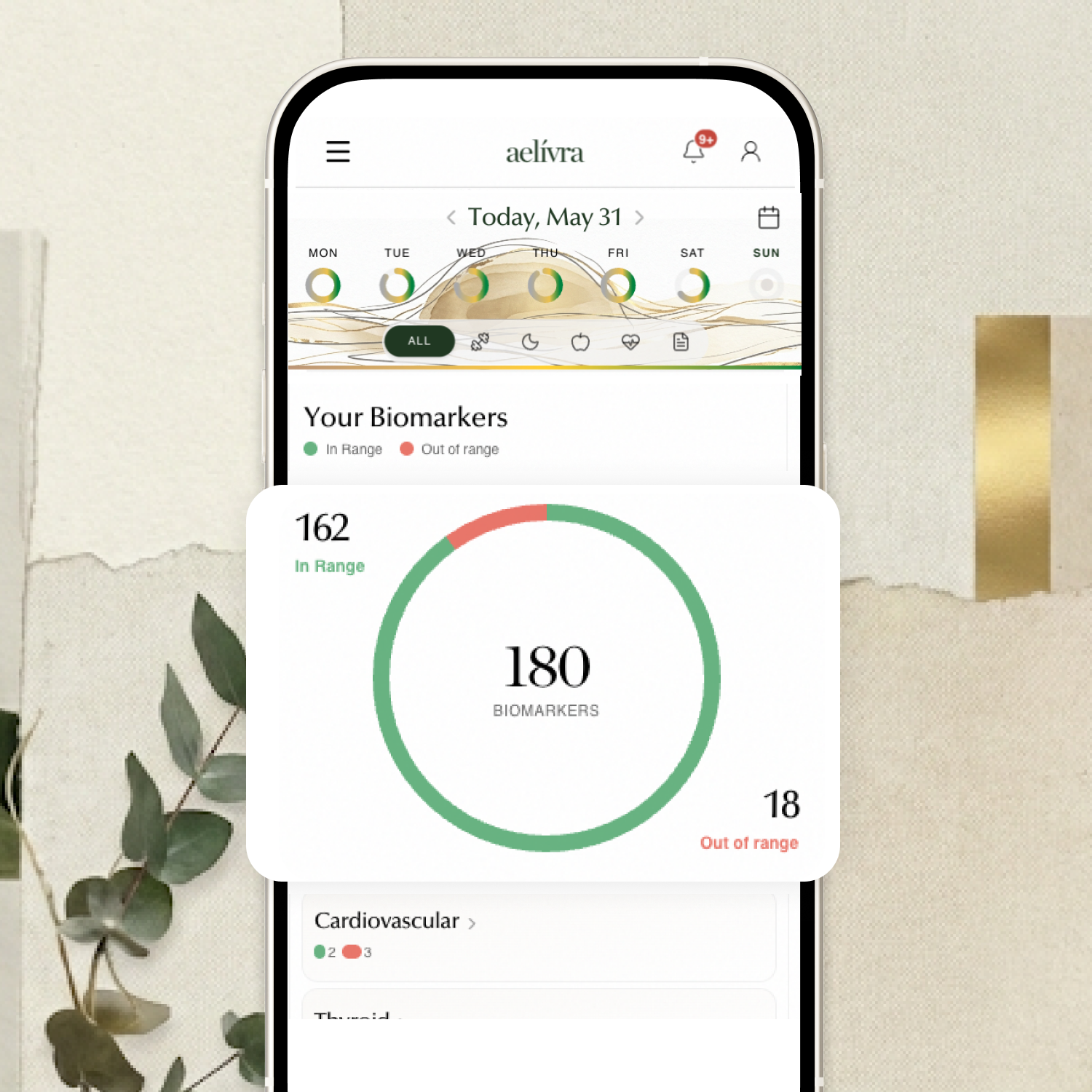
Blood work, scans, test results, medical reports — finally in one place and connected to how you actually feel. aelívra tracks biomarkers and health records over time, so you can see what's trending in the right direction and walk into your next appointment knowing exactly what to discuss.
Frequently Asked Questions
What is obecabtagene autoleucel? Obecabtagene autoleucel is a CD19-targeting CAR T-cell therapy engineered to treat severe autoimmune conditions. It works by destroying the malfunctioning B-cells responsible for lupus flares.
Who qualifies for the CARLYSLE trial? The Phase I study recruits adolescent and adult patients with severe refractory systemic lupus erythematosus. Participants must show resistance to standard immunosuppressive treatments.
How long does CAR T-cell remission last in lupus? Early 2026 data indicates sustained clinical remission without the need for ongoing lupus medication. Researchers continue monitoring patients to determine the exact long-term duration of this immune reset.

Cameron founded aelívra after years of living an unknown no one could answer — navigating chronic health complexity through a medical system that wasn't built for it. That experience became a conviction: everyone deserves to feel truly alive, and no one should have to accept not knowing as a way of life. His work sits at the intersection of data science and functional health and wellbeing, turning the latest trusted medical research across news, health, wearables, biomarkers, and more into advice everyday people can use on their journeys toward feeling better. Every article is grounded in peer-reviewed evidence and linked to its primary source. This content is for informational purposes only and does not replace medical advice.