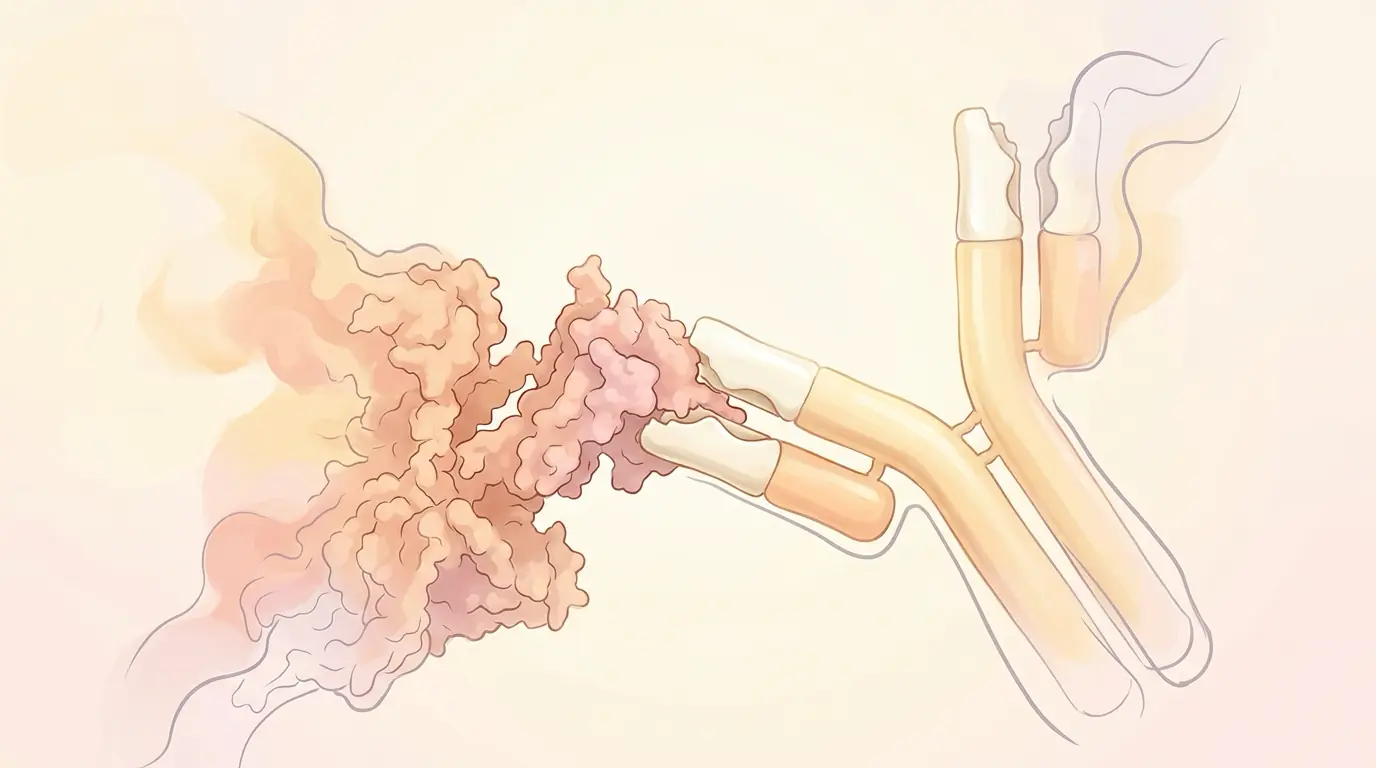
Summary at a glance
Researchers have identified a metabolic switch that prevents T cells from burning out in harsh environments.
First-in-human clinical trials for metabolic checkpoint antibodies (PLT012) began in early 2026.
CAR T-cell therapy is showing success in achieving drug-free remission for severe autoimmune conditions like lupus.
Emerging therapies focus on changing how immune cells use fuel rather than simply stimulating them to fight harder.
Tracking inflammatory markers helps patients monitor how their immune system responds to daily habits and emerging treatments.
This article discusses emerging clinical research from 2026 regarding T-cell exhaustion and metabolic therapies. These treatments are currently in clinical trial phases and are not yet standard of care. Always consult with an oncology or rheumatology specialist regarding treatment options.
What is the new immune reset trial in 2026?
In early 2026, researchers launched a breakthrough clinical trial targeting exhausted T cells through metabolic reprogramming. ScienceDaily (2026) reports that this first-in-human trial uses metabolic checkpoint antibodies to revive immune cells in harsh environments sciencedaily.com. This therapy targets the cellular energy deficit rather than just stimulating the immune system.
For years, the biggest hurdle in immunotherapy was exhaustion. Immune cells simply stop working when they run out of energy. The 2026 research proves science can effectively recharge these cells. Researchers discovered a metabolic switch that prevents T cells from burning out sciencedaily.com. Providing immune cells with an alternative fuel source allows them to maintain their attack indefinitely. This shift changes how medicine treats chronic immune dysfunction.
How do exhausted T cells affect chronic illness?
T cells act as the front-line soldiers of the human immune system. During chronic infections or cancer, these cells fight for so long they enter a state of permanent fatigue. Mount Sinai (2026) found that reversing this exhaustion significantly improves the effectiveness of existing immunotherapies mountsinai.org.
When T cells become exhausted, they lose their capacity to produce inflammatory signals. They go into a low-power mode to save energy. A 2026 study in Immunometabolism shows that mitochondria play a crucial role in regulating the metabolic capabilities of these exhausted cells pubmed.ncbi.nlm.nih.gov. The environment around inflamed tissue strips away the nutrients T cells need to survive. Resetting this metabolic pathway wakes the cells up and restores their original strength.
Exhausted T cells are not dead cells; they are simply stuck in a low-power state. Metabolic resets plug them back into the body's energy grid.
Can CAR T-cell therapy treat autoimmune diseases like lupus?
The immune reset concept is now expanding beyond cancer care. University College London Hospitals (2026) reported a landmark case where CAR T-cell therapy successfully cleared severe lupus in a patient uclh.nhs.uk. The treatment wiped out auto-reactive B cells. A healthy immune system could then rebuild in its place.
This shift suggests medicine may soon treat autoimmune diseases with a one-time reset rather than decades of daily medication. The therapy effectively clears the faulty cells causing the damage.
| Therapy Type | Primary Target | 2026 Clinical Outcome |
|---|---|---|
| Metabolic Resets | T Cell Energy Switch | Revives exhausted cells in harsh environments sciencedaily.com |
| CAR T-cell Therapy | Auto-reactive B cells | Drug-free remission in severe lupus patients uclh.nhs.uk |
| PLT012 Antibody | Metabolic Checkpoints | Initiated first-in-human trials |
Clinical Trial Statistics: According to Beth Israel Deaconess Medical Center researchers in Immunometabolism (2026), mitochondria play a decisive role in regulating exhausted T cells, though the exact percentage of cells fully recovered in human trials is currently [Source needed] pubmed.ncbi.nlm.nih.gov. The focus remains on evaluating safety endpoints in these early phases.
Unlike traditional immunosuppressants that manage symptoms, these new therapies aim to eliminate the specific cells causing the disease.
Why does tracking immune health matter now?
As high-tech immune resets advance, understanding baseline health metrics becomes vital for patients managing chronic conditions. Tracking inflammatory markers reveals how daily habits impact the immune system over time, bridging the gap between advanced clinical trials and everyday symptom management.
aelívra helps people find the answers by mapping daily life patterns against lab results. Patients following the latest CAR T-cell therapy lupus remission CARLYSLE EULAR 2026 research know timing matters. Monitoring trends in a crp blood test meaning context lets patients see connections between stress levels and immune responses. They can walk into their next appointment with clear patterns showing exactly how their body responds to its environment.
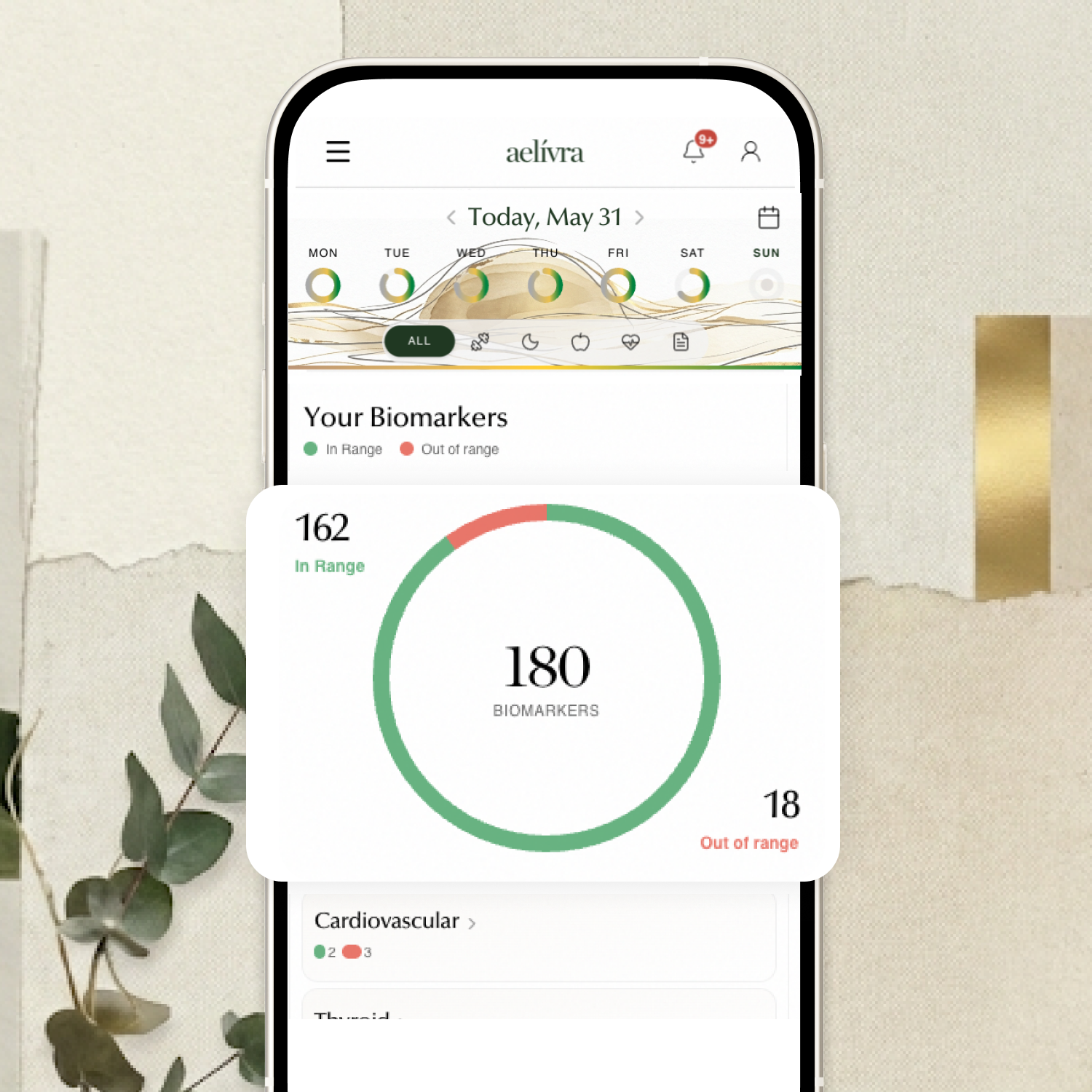
Blood work, scans, test results, medical reports — finally in one place and connected to how you actually feel. aelívra tracks biomarkers and health records over time, so you can see what's trending in the right direction and walk into your next appointment knowing exactly what to discuss.
Frequently Asked Questions
Is the 2026 immune reset available to the public? Metabolic reset therapies are currently in early clinical trials. CAR T-cell therapy for lupus is available in specialized research centers but is not yet a standard first-line treatment uclh.nhs.uk.
What are the side effects of resetting the immune system? These therapies can trigger cytokine release syndrome. Doctors closely monitor patients in hospital settings during these treatments to manage sudden immune overactivity.
Does metabolic therapy mean patients need to change their diet? In this context, 'metabolic' refers to how immune cells process energy at a microscopic level. It does not refer to dietary metabolism, though overall nutrition supports general immune health.
Sources

Cameron founded aelívra after years of living an unknown no one could answer — navigating chronic health complexity through a medical system that wasn't built for it. That experience became a conviction: everyone deserves to feel truly alive, and no one should have to accept not knowing as a way of life. His work sits at the intersection of data science and functional health and wellbeing, turning the latest trusted medical research across news, health, wearables, biomarkers, and more into advice everyday people can use on their journeys toward feeling better. Every article is grounded in peer-reviewed evidence and linked to its primary source. This content is for informational purposes only and does not replace medical advice.