
Summary at a glance
Alkaline phosphatase is a vital enzyme produced mainly by your liver and bones to help break down proteins and support metabolism.
High ALP levels often point to bile duct blockages, liver stress, or conditions causing rapid bone turnover.
Children and pregnant women naturally run much higher ALP levels due to active bone growth and placental production.
Doctors use a secondary GGT blood test to determine if your elevated ALP is originating from your liver or your skeletal system.
Low ALP levels can reveal hidden nutritional deficiencies in zinc or magnesium, or signal a rare genetic bone disorder.
What Does an Alkaline Phosphatase (ALP) Test Measure?
An alkaline phosphatase (ALP) test measures the amount of the ALP enzyme circulating in your blood. This enzyme helps break down proteins and is found primarily in your liver, bones, kidneys, and intestines. Abnormal levels often signal an issue with your liver bile ducts or bone metabolism.
Your body relies on ALP for essential tasks like forming new bone and detoxifying the liver. In fact, Superpower (2024) reports that your liver produces about half of your circulating ALP superpower.com. When these tissues are stressed or damaged, they leak excess ALP into your bloodstream.
This simple blood marker offers a direct window into how your cells are functioning. Doctors usually check ALP alongside other liver markers in a comprehensive metabolic panel my.clevelandclinic.org. This routine check gives you a clear snapshot of your overall organ health.
Why are ALP Levels Higher in Children and Teenagers?
Children and teenagers naturally have much higher alkaline phosphatase levels because their bones are actively growing. During periods of rapid skeletal development, bone-forming cells release large amounts of this enzyme into the blood.
Gloucestershire Hospitals NHS (2024) reports that active bone growth phases in childhood and adolescence may result in ALP levels of up to 3 times the upper limit of normal gloshospitals.nhs.uk. This is a completely healthy physiological process.
| Age Group | Typical ALP Reference Range |
|---|---|
| Adults | 40 – 150 U/L |
| Children & Adolescents | Up to 450 U/L (during growth spurts) |
| Pregnant Women | Elevated (produced by placenta) |
Superpower (2024) reports that most laboratory reference ranges for adults fall between approximately 40–150 U/L superpower.com. Exact thresholds vary slightly between testing facilities.
 A pediatric growth chart demonstrating the connection between bone development and enzyme levels.
What Causes High Alkaline Phosphatase in a Blood Test?
High alkaline phosphatase usually points to a liver condition, a gallbladder issue, or a bone disorder. When the bile ducts in your liver become blocked or inflamed, ALP spills directly into your bloodstream medlineplus.gov.
Common liver-related culprits include gallstones, fatty liver, or processing certain medications. The pressure from a blocked bile duct forces liver cells into overdrive.
If your liver is healthy, the elevation might come from your skeletal system. Conditions that trigger rapid bone turnover will push your numbers up my.clevelandclinic.org. Your bones produce more enzyme as they repair and rebuild tissue.
Pregnancy can also cause a temporary spike. The placenta produces its own distinct form of ALP that enters the mother's circulation.
If you experience sudden abdominal pain or jaundice alongside high ALP, seek medical attention immediately. This could signal an acute bile duct blockage.
How Can I Tell if High ALP is From Liver or Bone?
Doctors use a secondary blood test called Gamma-Glutamyl Transferase (GGT) to determine whether your high ALP comes from your liver or your bones. If both your ALP and GGT are elevated, the source is almost certainly your liver gloshospitals.nhs.uk.
This companion test acts as a clear tie-breaker. If your ALP is high but your GGT is completely normal, the enzyme is likely originating from your skeletal system. Low vitamin D levels can also trigger bone-derived ALP release as your body struggles to maintain its normal bone density.
Checking these markers together helps you understand the true root of the problem. You can take proactive steps by learning how to check liver function at home between your regular medical appointments.
What Does Low Alkaline Phosphatase Mean for My Health?
Low alkaline phosphatase means your body is not producing enough of the enzyme. This often happens due to nutritional deficiencies or a rare genetic condition. The enzyme requires zinc and magnesium to function properly, so lacking these minerals causes your ALP activity to drop superpower.com.
While most medical attention focuses on high levels, a low reading carries significant metabolic clues. Monash University (2023) reports that low serum alkaline phosphatase (ALP) was found in 9% of patients attending an osteoporosis clinic research.monash.edu.
Your nutritional status plays a massive role. Without adequate zinc, the enzyme simply cannot do its job. Persistently low levels can also signal hypophosphatasia (HPP), an inherited condition that impairs primary bone mineralisation.
Peter R. Ebeling, Researcher at Monash University, notes that low ALP serves as a screening tool for hypophosphatasia research.monash.edu. Recognizing this subtle pattern early helps prevent hidden bone fragility.
A low ALP result is not inherently 'better' than a high one. Because the enzyme is vital for bone mineralization, persistently low levels can actually signal weakened skeletal health.
When Should I Get My ALP Levels Retested?
You should get your ALP levels retested within three to six months if your results fall slightly outside the normal range without severe symptoms. This allows you to see if the abnormal reading was a temporary lifestyle spike or an ongoing clinical trend.
Your doctor will likely order a complete liver panel for the follow-up. Reviewing these markers alongside your egfr blood test meaning gives you a comprehensive view of how your detoxification organs are working together.
Tracking your lab history is the best way to spot meaningful changes. A single abnormal test rarely tells the whole story, but a persistent decline or rise across multiple tests deserves a deeper look.
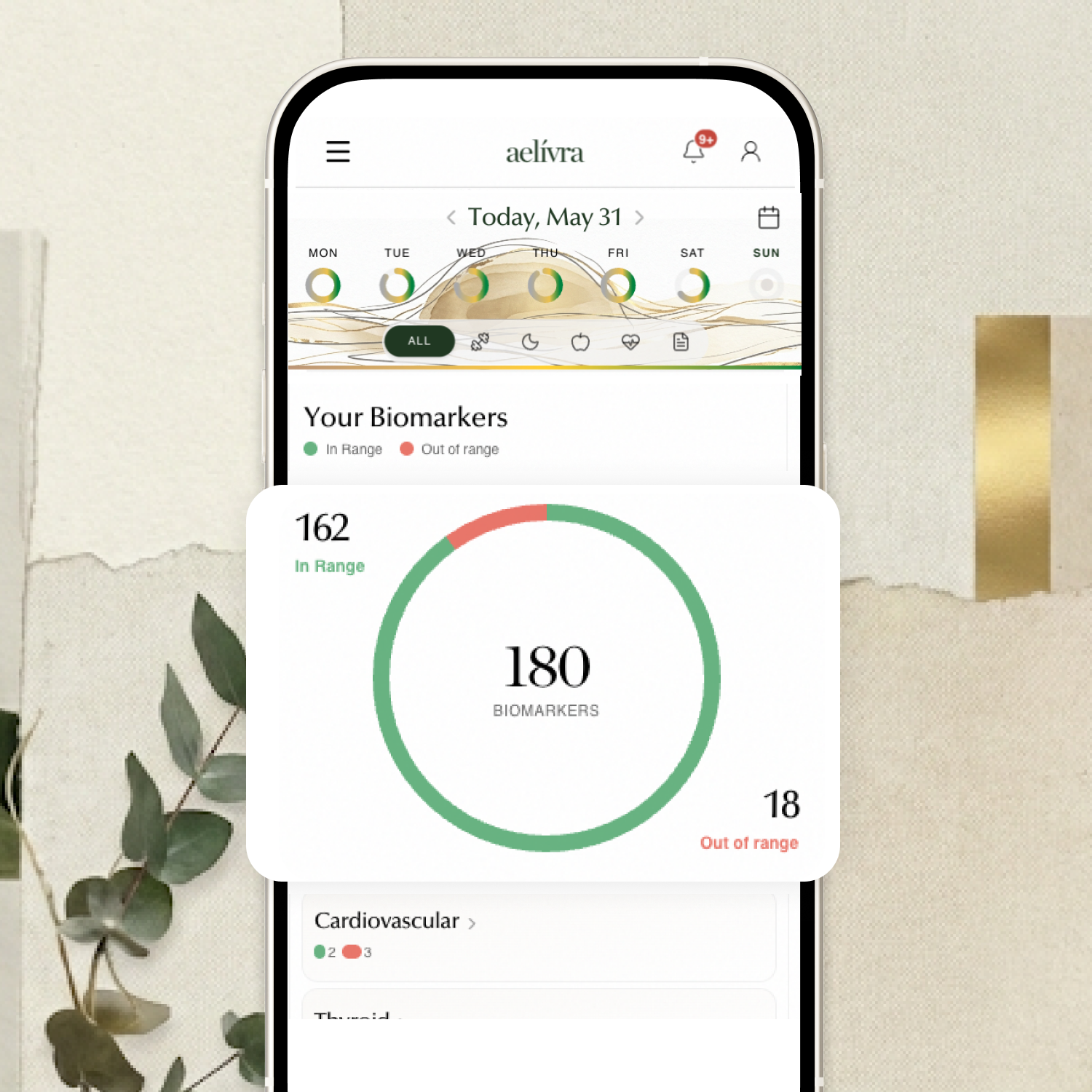
Blood work, scans, test results, medical reports — finally in one place and connected to how you actually feel. aelívra tracks biomarkers and health records over time, so you can see what's trending in the right direction and walk into your next appointment knowing exactly what to discuss.
Frequently Asked Questions
What is the normal range for alkaline phosphatase?
For most adults, the normal range sits between 40 and 150 U/L. Children and pregnant women naturally run much higher due to bone growth and placental production.
Can a vitamin D deficiency cause high ALP?
Yes. When vitamin D is low, your bones can release excess ALP as they try to compensate for poor mineralization.
Does fasting affect my alkaline phosphatase test?
Generally, you do not need to fast for an ALP test. Eating a very fatty meal before your blood draw can occasionally cause a mild increase in your levels.
Can low zinc cause low alkaline phosphatase?
Yes. The ALP enzyme relies directly on zinc to function properly. A deficiency in zinc will quickly reflect as a low ALP reading on your blood work.