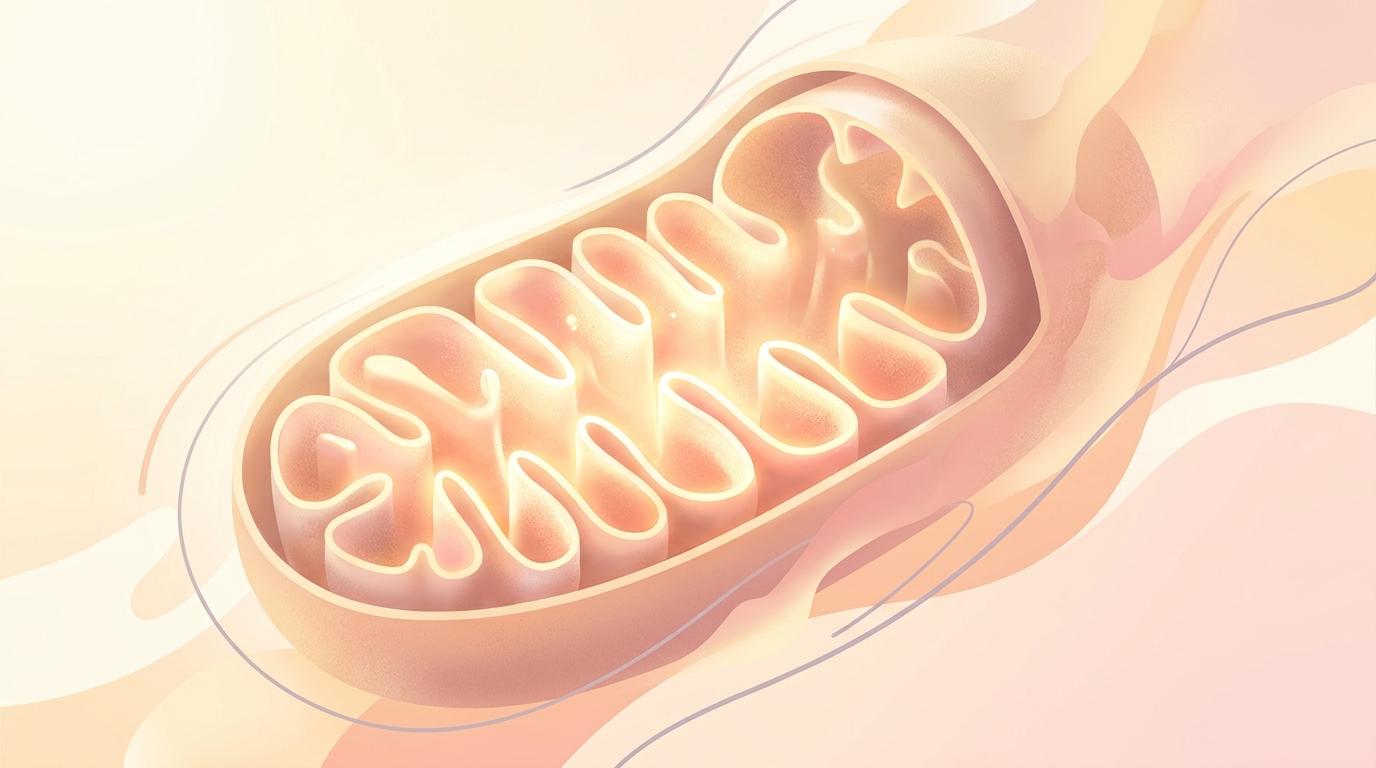
Summary at a glance
Prioritize protein and fiber before carbohydrates to slow digestion and prevent the sharp insulin spikes that drive serotonin production.
Engage in 10 to 15 minutes of light physical activity immediately after meals to help muscles clear glucose and stabilize energy.
Opt for smaller, frequent meals to minimize the massive diversion of blood flow to the digestive tract that causes heavy lethargy.
Recognize that persistent shaking and exhaustion may signal underlying issues like reactive hypoglycemia or idiopathic postprandial syndrome.
This article is for educational purposes only and does not replace professional medical advice. Persistent fatigue, shakiness, or dizziness after meals can be a sign of underlying metabolic conditions, such as reactive hypoglycemia or diabetes. Always consult a healthcare provider for proper diagnosis and personalized treatment.
Why do I feel so tired after eating?
Feeling tired after eating, medically known as postprandial somnolence, occurs when the body diverts blood flow to the digestive tract and releases a surge of insulin to process carbohydrates. This insulin spike triggers the brain to produce sleep-promoting hormones like serotonin, resulting in a sudden energy crash.
Most people experience a mild dip in energy after a heavy lunch. The intensity of this fatigue depends heavily on what and how much was consumed. The body naturally redirects resources to facilitate digestion, pulling energy away from cognitive and physical functions my.clevelandclinic.org.
When a meal is heavy in simple sugars, the body releases a massive wave of insulin. This hormone moves glucose into cells. It also allows the amino acid tryptophan to enter the brain more easily. Once inside the brain, tryptophan is converted into serotonin and melatonin pmc.ncbi.nlm.nih.gov.
Dr. Kevin Cronley, a board-certified gastroenterologist at Gastro Health, explains that blood is shunted away from vital organs to the gastrointestinal tract during digestion, leading directly to tiredness menshealth.com. This biological mechanism protects the digestive process but leaves the rest of the body feeling completely drained. Cleveland Clinic (2025) reports that postprandial somnolence can leave a person feeling lethargic for several hours as this chemical cascade plays out my.clevelandclinic.org.
The famous 'turkey coma' on Thanksgiving has very little to do with the tryptophan in the bird. The massive intake of carbohydrates from stuffing and pie is the real culprit behind the overwhelming urge to nap.
What foods cause the worst post-meal energy crashes?
Not all calories are processed the same way by the body. Some foods act like quick-burning kindling. Others provide a slow and steady burn. Choosing the right macronutrients is the most effective way to maintain energy levels through the afternoon.
High-glycemic foods create a rapid spike in blood sugar. The pancreas quickly pumps out insulin to bring those levels down safely. This extreme peak and valley effect leaves the nervous system exhausted.
| Food Category | Effect on Digestion and Energy | Common Examples |
|---|---|---|
| Refined Carbohydrates | Rapid glucose spike followed by a sharp crash | White rice, pasta, sugary sodas, pastries |
| Complex Carbohydrates | Steady glucose release with sustained energy | Quinoa, oats, sweet potatoes, lentils |
| Heavy Saturated Fats | Slows gastric emptying and increases lethargy | Fried foods, heavy cream, fatty cuts of meat |
| Lean Proteins | Minimal insulin impact with a high thermic effect | Chicken breast, tofu, fish, Greek yogurt |
Dr. Soma Mandal, an internist at Summit Health, notes that foods high in fat and carbohydrates contribute heavily to fatigue because fats are difficult to break down menshealth.com. This prolonged digestive effort demands continuous blood flow to the gut.
The American Journal of Lifestyle Medicine (2024) reports that a 21-day transition to a whole-food plant-based diet significantly reduces postprandial sleepiness among participants pmc.ncbi.nlm.nih.gov. By relying on fiber-rich complex carbohydrates, the digestive system processes food without triggering an extreme hormonal response.
 A structured comparison of different food types and their impact on daily energy.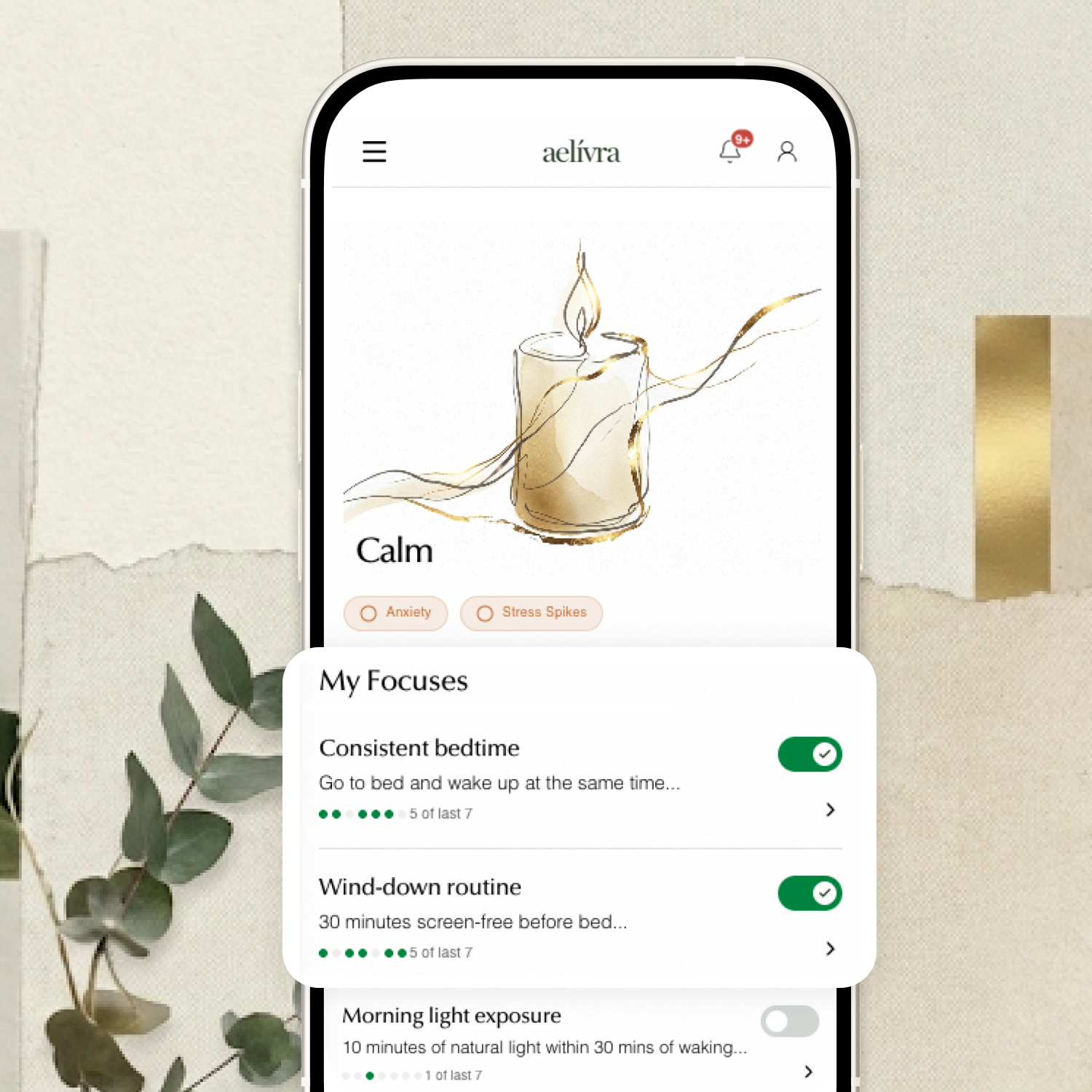
Uncover what you've been searching for. aelívra guides you through wellbeing explorations across sleep, diet, stress, symptoms and more so you can finally act on what's actually going on, one day at a time, every step at your own pace.
How can I stop a food coma before it starts?
Stopping the post-lunch slump requires a combination of smart meal composition and strategic physical movement. By slowing the rate at which sugar enters the bloodstream, the body easily avoids the insulin spike that leads to immediate drowsiness.
The Post-Meal Energy Protocol
Prerequisites: Access to water, a balanced meal plan, and a safe space for light movement.
Expected Outcomes: Improved mental clarity within 30 minutes of eating and a complete reduction in the traditional afternoon slump.
Time Estimates: 5 minutes of mindful meal pacing and 10 minutes of post-meal activity.
Add a tablespoon of apple cider vinegar to a glass of water before eating. The acetic acid helps blunt the glucose spike of a carbohydrate-heavy meal.
Does walking after a meal actually prevent sleepiness?
Yes, engaging in light physical activity immediately after a meal is highly effective at preventing sleepiness. Walking acts as a natural glucose sink. It forces the muscles to pull sugar out of the bloodstream without requiring massive amounts of insulin.
This movement effectively intercepts the metabolic feedback loop. When muscles use the circulating glucose for immediate kinetic energy, the pancreas produces less insulin. Lower insulin means less tryptophan crosses the blood-brain barrier, which ultimately prevents the production of sleep-inducing serotonin.
Nestle Health Science (2025) reports that managing post-meal blood glucose spikes significantly shortens the time needed to fall asleep at night nutraingredients.com. This highlights a profound connection between daytime glucose clearing and overall sleep architecture.
The timing of this activity matters greatly. The movement must occur before the body fully settles into digestion. A gentle 10-minute walk is entirely sufficient. Intense cardiovascular exercise, however, forces blood away from the digestive tract too aggressively and causes severe cramping.
 A person taking a gentle walk outside after finishing a midday meal.
Is feeling exhausted after eating a sign of a health problem?
While mild sleepiness is a normal biological quirk, extreme exhaustion might signal an underlying metabolic condition. If fatigue makes it impossible to function or requires a nap after every single meal, medical investigation is necessary.
One common clinical culprit is reactive hypoglycemia. This condition occurs when the body severely overreacts to a meal by producing too much insulin. The blood sugar drops rapidly below normal baseline levels. Symptoms include noticeable shakiness, sweating, and intense physical fatigue healthline.com.
Another frequent issue is Idiopathic Postprandial Syndrome. Healthline (2025) reports that Idiopathic Postprandial Syndrome causes low blood sugar symptoms up to 4 hours after a meal, even when actual blood glucose remains within normal ranges healthline.com. The body experiences the exact sensation of a crash without the clinical glucose drop.
Mouth To Gut (2026) reports that postprandial fatigue involves a significant energy drop peaking 30 to 90 minutes after eating, which is common in conditions like POTS and histamine intolerance mouthtogut.com. Persistent weakness often points toward these deeper systemic imbalances. Addressing the root cause with a medical professional brings much faster relief than simple diet tweaks.
Do not ignore post-meal shakiness or dizziness. These are classic signs of blood sugar dysregulation that warrant a comprehensive metabolic panel.
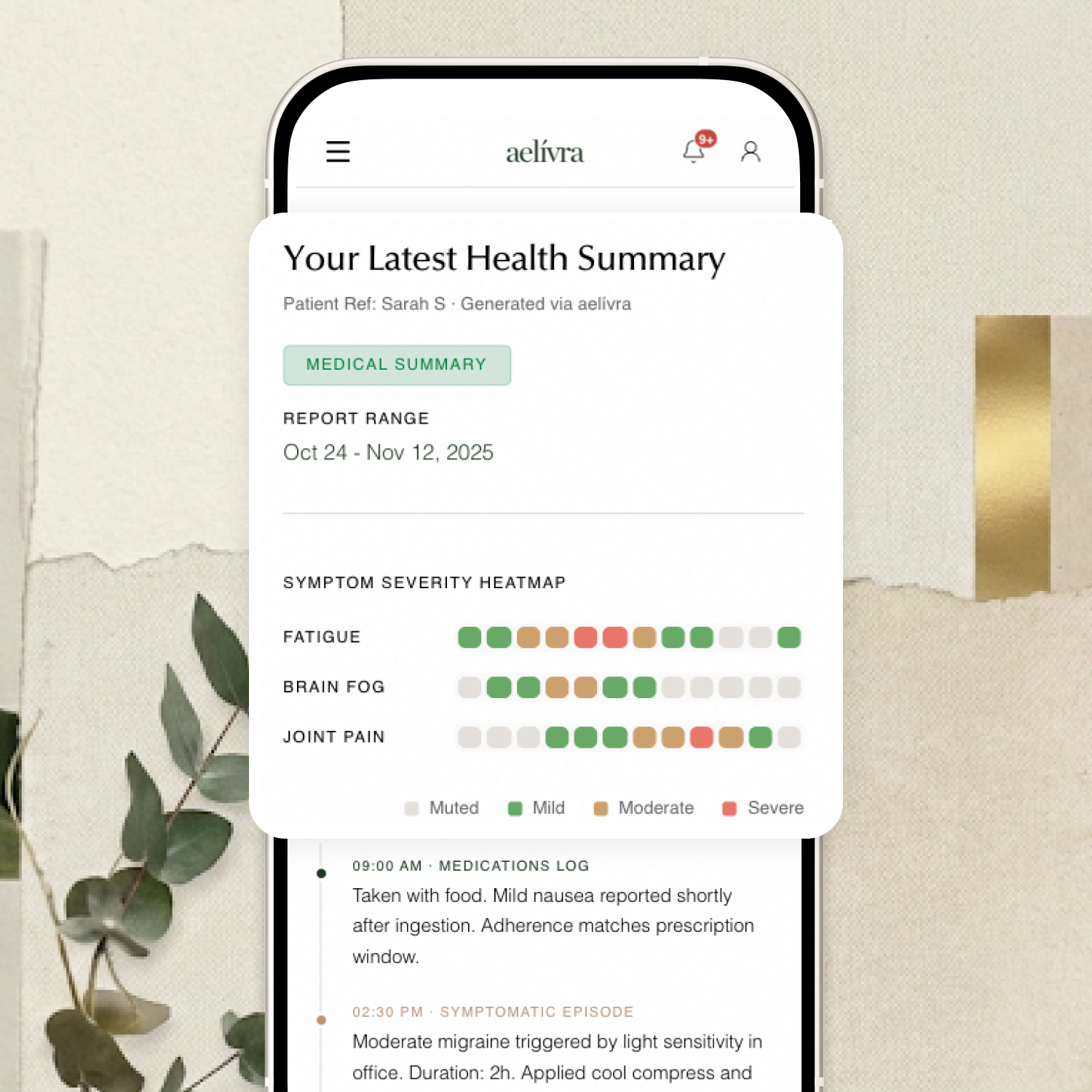
Shift the conversation from "I just don't feel right" to clear data your doctor can act on. aelívra turns weeks of health data into clean, visual summaries — so time-limited consultations focus on patterns, not guesswork.
Frequently Asked Questions
Why do I feel shaky and tired after a high-carb meal? Consuming heavy carbohydrates triggers a massive release of insulin, which can cause blood sugar to plummet shortly afterward. This rapid drop creates physical shakiness and intense fatigue known as reactive hypoglycemia.
How long does a food coma usually last? Most post-meal sleepiness peaks roughly 30 to 90 minutes after eating and resolves within two hours. The duration depends heavily on the fat and carbohydrate content of the consumed meal mouthtogut.com.
Does drinking coffee help with post-meal fatigue? Caffeine provides a temporary artificial boost by blocking sleep receptors in the brain. However, it masks the underlying blood sugar crash and frequently leads to worse exhaustion later in the afternoon.
Sources

Cameron founded aelívra after years of living an unknown no one could answer — navigating chronic health complexity through a medical system that wasn't built for it. That experience became a conviction: everyone deserves to feel truly alive, and no one should have to accept not knowing as a way of life. His work sits at the intersection of data science and functional health and wellbeing, turning the latest trusted medical research across news, health, wearables, biomarkers, and more into advice everyday people can use on their journeys toward feeling better. Every article is grounded in peer-reviewed evidence and linked to its primary source. This content is for informational purposes only and does not replace medical advice.