
Summary at a glance
The 2026 RECOVER-VITAL protocol showed that broad antiviral applications fail to address the diverse biological mechanisms of Long COVID.
Research has shifted to precision phenotyping, matching specific medications to distinct symptom profiles.
The LC-REVITALIZE study tests repurposed drugs to address immune-mediated fatigue and metabolic dysfunction.
The RECOVER-AUTONOMIC trial evaluates ivabradine and IVIG for patients experiencing severe heart rate instability and POTS.
This article discusses ongoing 2026 clinical trials and preliminary research results for Long COVID, dysautonomia, and immune dysfunction. This information is for educational purposes and does not constitute medical advice or a recommendation for specific treatments. Always consult with a healthcare professional before changing your treatment plan or seeking clinical trial enrollment.
Why Did the 2026 Paxlovid Trials Fall Short for Long COVID?
In 2026, the NIH RECOVER-VITAL platform trials revealed that broad antiviral treatments did not resolve Long COVID for the general patient population. This failure triggered a major research shift toward precision medicine. Clinical trials now target specific symptoms rather than applying a universal treatment.
The RECOVER-VITAL protocol was developed as one of the first of five NIH-sponsored integrated platform protocols pubmed.ncbi.nlm.nih.gov. Initially, researchers hoped that targeting viral persistence and reactivation would provide broad relief pubmed.ncbi.nlm.nih.gov. The results indicated otherwise. Long COVID pathogenesis and treatment remain highly complex pubmed.ncbi.nlm.nih.gov.
Millions of people worldwide are affected by varying symptom clusters pubmed.ncbi.nlm.nih.gov. This realization forced investigators to abandon the search for a singular cure and move toward targeted drug therapies.
The RECOVER-VITAL platform trials showed that targeting viral persistence with broad antivirals does not resolve symptoms for most Long COVID patients.
What Is the LC-REVITALIZE Trial for Repurposed Drugs?
The LC-REVITALIZE study is a 2026 clinical trial testing existing medications to treat immune-mediated fatigue and metabolic dysfunction in Long COVID patients. Rather than fighting active viral replication, it evaluates whether repurposed drugs can stabilize disrupted biological systems.
According to clinical registries, LC-REVITALIZE evaluates targeted interventions for the condition to address profound energy crashes clinicaltrials.gov.
Understanding the biological mechanisms behind these crashes is crucial for matching patients with the right therapies. Research into related conditions often overlaps with these new study designs. For example, ME/CFS ion channel dysfunction research 2026 explores cellular energy deficits that mirror Long COVID fatigue profiles.
 A clinical researcher analyzing precision medicine trial data.
How Does the RECOVER-AUTONOMIC Trial Target POTS Symptoms?
The RECOVER-AUTONOMIC trial specifically targets adults with Long COVID who experience Postural Orthostatic Tachycardia Syndrome (POTS). It focuses on autonomic nervous system dysfunction rather than immune pathways.
A 2026 protocol published in the American Heart Journal evaluates three distinct interventions. These include coordinated nonpharmacologic care, intravenous immunoglobulin (IVIG), and ivabradine pubmed.ncbi.nlm.nih.gov.
M Fudim at the Duke Clinical Research Institute, Duke University School of Medicine (2026), clarifies the trial's focus:
"The primary endpoint is the change in orthostatic intolerance symptoms" pubmed.ncbi.nlm.nih.gov.
Ivabradine aims to control heart rate spikes without dropping blood pressure, while IVIG is being tested for its potential to modulate autoimmune responses clinicaltrials.gov.
Patients managing these severe heart rate fluctuations often utilize Effective Pacing Protocols for Long COVID Recovery to avoid triggering severe symptomatic crashes.
Here is a structured overview of the 2026 trial landscape:
| Trial Identifier | Primary Mechanism Targeted | Key 2026 Interventions |
|---|---|---|
| RECOVER-VITAL | Viral persistence | Broad antivirals pubmed.ncbi.nlm.nih.gov |
| LC-REVITALIZE | Immune and metabolic dysfunction | Repurposed medications clinicaltrials.gov |
| RECOVER-AUTONOMIC | Dysautonomia and POTS | Ivabradine, IVIG pubmed.ncbi.nlm.nih.gov |
If your primary symptoms involve racing heart rates upon standing, tracking orthostatic metrics can help confirm a POTS phenotype for upcoming trials.
Why Does Tracking Your Symptoms Matter for 2026 Precision Trials?
Matching with a 2026 precision medicine trial requires clear evidence of your specific symptom phenotypes. Tracking daily metrics such as heart rate spikes and fatigue patterns provides the longitudinal data needed to qualify for targeted studies.
Without objective data, proving whether your primary issue is autonomic or metabolic becomes incredibly difficult.
aelívra helps you track symptoms with context — not just daily pain scores, but the patterns connecting sleep, stress, diet, and energy. Bring your aelívra summary to your next appointment. This visual evidence can shift consultations from vague complaints to actionable discussions about specific trial eligibility.
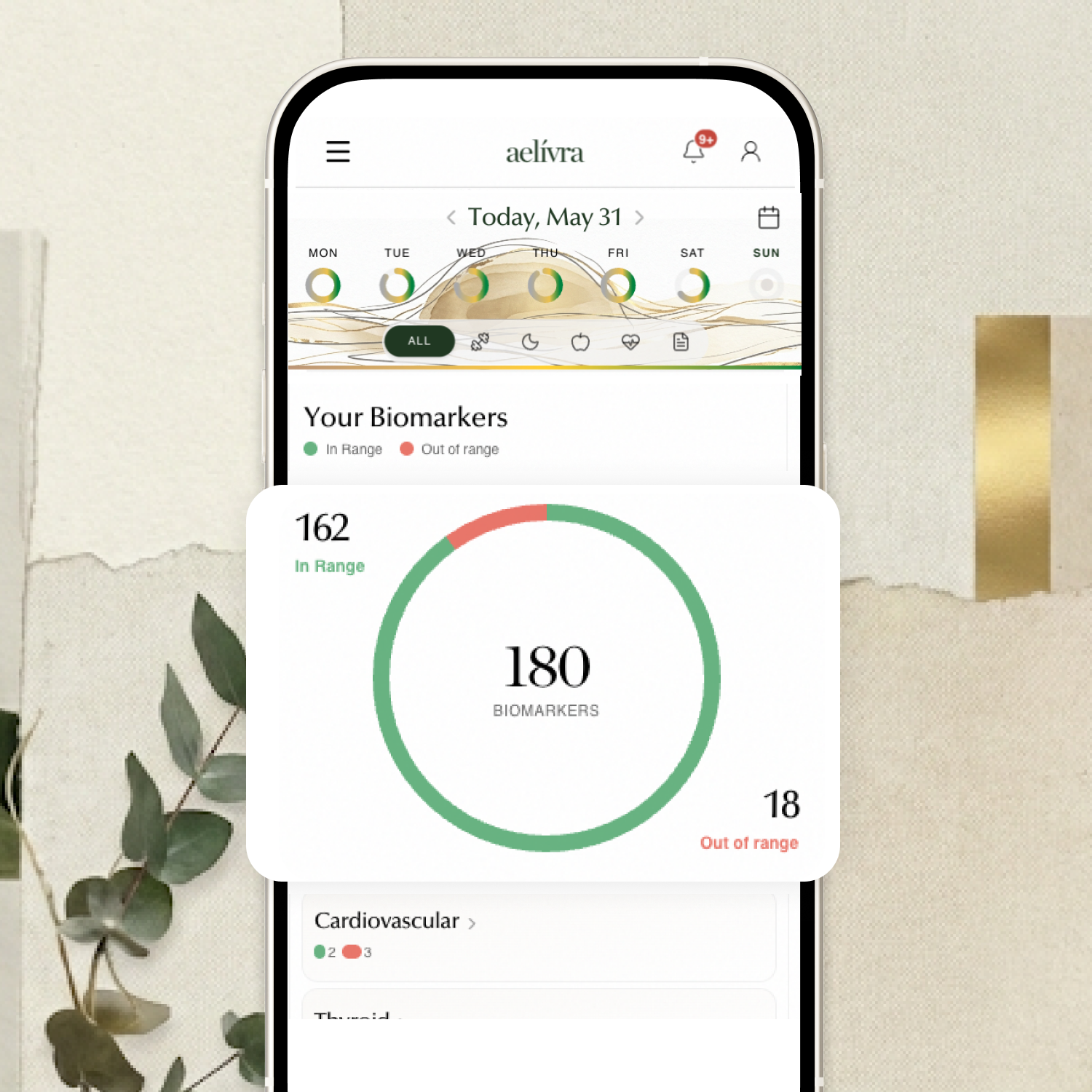
Blood work, scans, test results, medical reports — finally in one place and connected to how you actually feel. aelívra tracks biomarkers and health records over time, so you can see what's trending in the right direction and walk into your next appointment knowing exactly what to discuss.
Common Questions About 2026 Long COVID Treatment Trials
Are broad antiviral treatments still used for Long COVID?
While broad trials failed to show universal efficacy, antivirals may still be relevant for a small subset of patients. They are no longer considered a blanket treatment for all Long COVID cases.
What is precision phenotyping in clinical trials?
Precision phenotyping involves categorizing patients based on their specific biological markers and symptom clusters. Researchers then match these groups with drugs designed for their exact physiological dysfunction.
How does ivabradine help with Long COVID POTS?
Ivabradine is a medication that specifically lowers the heart rate. It is being tested in the RECOVER-AUTONOMIC trial to manage the severe heart rate spikes associated with post-COVID POTS pubmed.ncbi.nlm.nih.gov.
Sources

Cameron founded aelívra after years of living an unknown no one could answer — navigating chronic health complexity through a medical system that wasn't built for it. That experience became a conviction: everyone deserves to feel truly alive, and no one should have to accept not knowing as a way of life. His work sits at the intersection of data science and functional health and wellbeing, turning the latest trusted medical research across news, health, wearables, biomarkers, and more into advice everyday people can use on their journeys toward feeling better. Every article is grounded in peer-reviewed evidence and linked to its primary source. This content is for informational purposes only and does not replace medical advice.