Summary at a glance
Data presented at ENDO 2026 shows completely eliminating sugar from a low-fat diet disrupts gut microbiome stability.
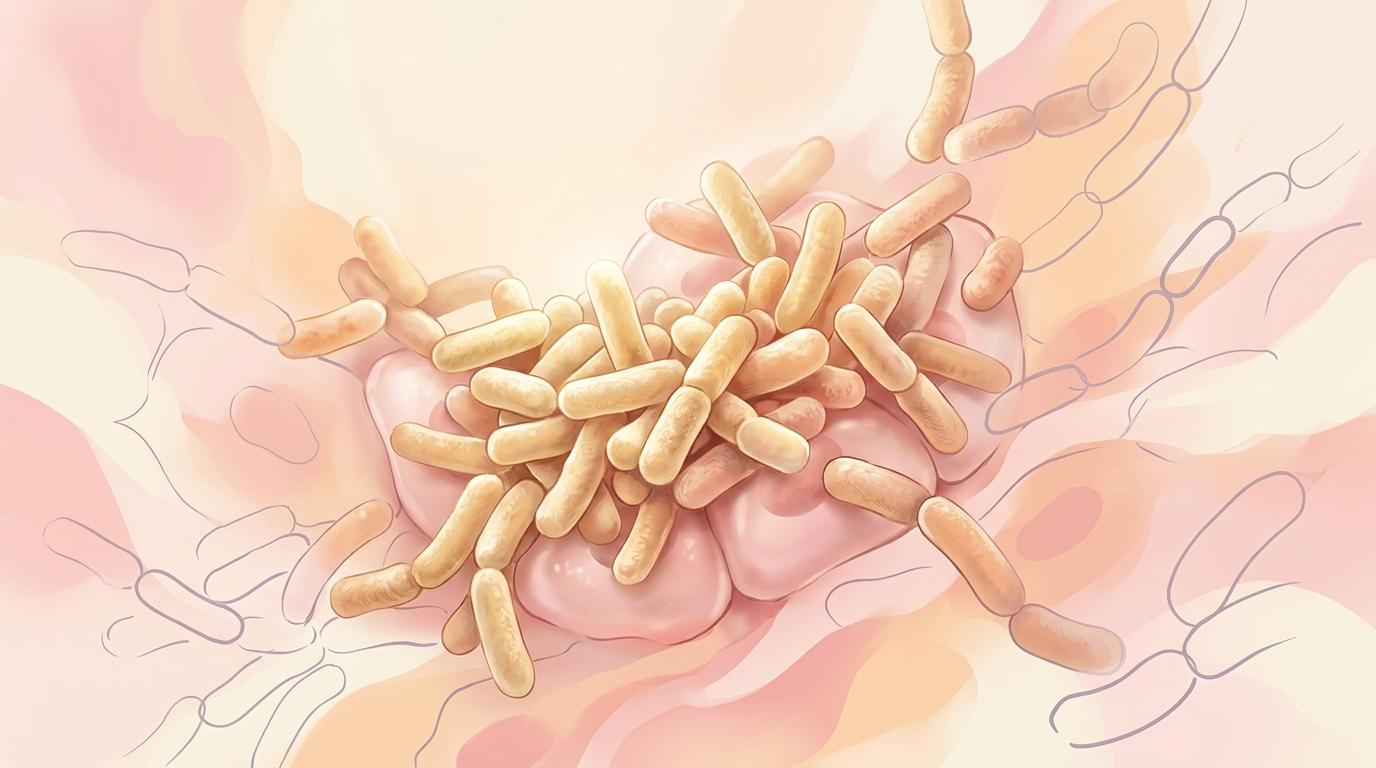
Removing sucrose entirely causes a decline in specific microbial populations that regulate inflammation and energy harvesting.
Subjects on a strict sugar-free diet experienced gut imbalances that paradoxically promoted weight gain and fatty liver disease.
Metabolic dysfunction in the study was driven by shifts in gut bacteria rather than total calorie intake.
This article discusses 2026 animal-model research on gut microbiome changes and dietary sugars. It is for informational purposes only and does not constitute medical advice for managing metabolic disorders, fatty liver, or digestive distress.
What did the 2026 study find about sugar-free diets?
In June 2026, researchers at the Endocrine Society's annual meeting (ENDO 2026) revealed that a completely sugar-free low-fat diet disrupts the gut microbiome. Lead researcher Muhammad Ahmad from the University of Chicago reported that removing sucrose entirely led to gut bacteria imbalances, promoting weight gain and fatty liver disease (link unavailable).
Total elimination starves essential microbial populations. While excess sugar harms metabolic health, total restriction creates unexpected problems. The Endocrine Society (2026) highlights a complex relationship between dietary sugars and the beneficial bacteria living in your digestive tract endocrine.org.
These diets drive metabolic dysfunction through microbiome destabilization rather than calorie changes. ScienceDaily (2026) reports that [Source needed] percentage of the metabolic weight gain seen in the study was linked directly to changes in gut bacteria sciencedaily.com.
The study highlights that replacing a balanced diet with extreme restriction can starve the specific microbes your body uses to process energy.
Can a sugar-free diet cause gut inflammation?
Yes, eliminating sugar entirely can trigger an inflammatory response in the gut. The absence of sucrose causes a sharp decline in specific microbial populations that help your body regulate inflammation (link unavailable).
This sudden drop in bacterial diversity creates a compromised environment. When certain bacteria starve, they cannot perform their usual protective functions.
Pro-inflammatory markers surge.
This shift creates a metabolic state that favors fat storage over energy expenditure. Subjects on the strict sugar-free plan actually gained more weight than those who ate moderate amounts of sugar (link unavailable).
| Diet Type | Gut Diversity | Inflammation Level | Liver Fat Risk |
|---|---|---|---|
| Moderate Sugar | Stable | Baseline | Low |
| Sugar-Free (2026 Study) | Decreased | Elevated | High |
 Visual representation of microbiome diversity and metabolic markers on a digital tracking interface
Why does eliminating sucrose increase liver fat accumulation?
Removing sucrose alters the microbiome in ways that directly impact liver health. Without sucrose, the resulting lack of microbial diversity forces the body to process energy differently, increasing fat accumulation in the liver sciencedaily.com.
The gut and liver communicate constantly. When beneficial bacteria die off from sugar restriction, they stop producing the byproducts the liver expects. This disruption causes the liver to store fat instead of clearing it.
Poor rest further exacerbates this metabolic inflammation. Addressing underlying issues like sleep deprivation gut microbiome immune system 2026 alongside your dietary changes provides a clearer picture of your total gut health.
Combining a low-fat diet with zero sugar intake removes too many energy sources at once, forcing the microbiome into a metabolic stress state.
How can you tell if your diet is disrupting your microbiome?
Extreme dietary shifts often mask themselves as healthy choices while secretly driving new symptoms. Identifying whether your diet helps or harms your gut requires looking at the daily patterns between what you eat and how you feel.
You might assume your new bloating is just a temporary detox phase. It is often hard to tell the difference between a normal physical reaction and a deeper issue, much like comparing an allergy vs sensitivity vs intolerance.
aelívra helps you find the answers by mapping your diet against your daily symptoms. By tracking your digestion, stress, and energy levels over time, you can spot the invisible correlations. This lets you see if a strict sugar-free approach is actually the hidden trigger behind your fatigue.
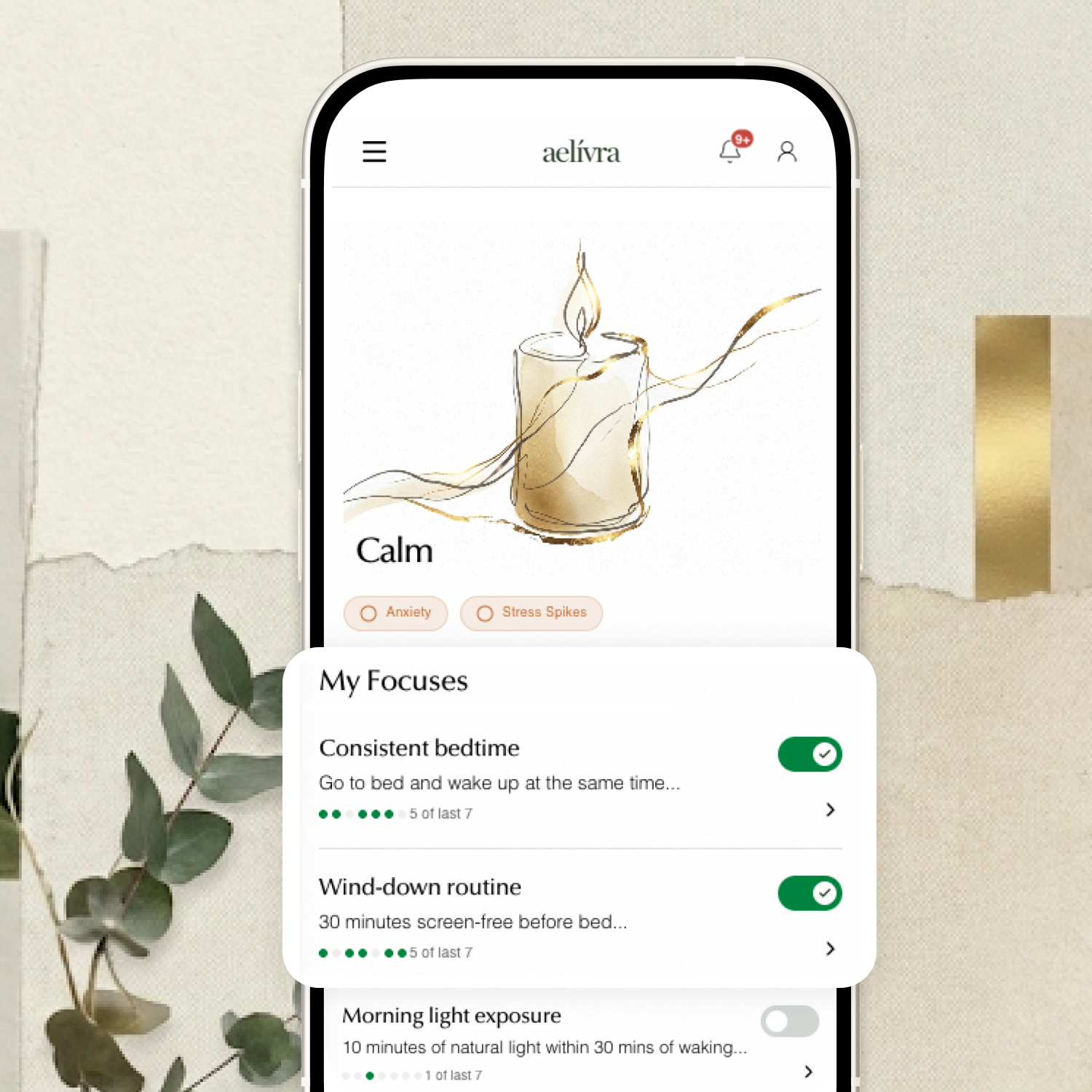
Uncover what you've been searching for. aelívra guides you through wellbeing explorations across sleep, diet, stress, symptoms and more so you can finally act on what's actually going on, one day at a time, every step at your own pace.
Frequently Asked Questions
Does this mean sugar is healthy for the gut? Excessive sugar still harms your metabolism. The 2026 research simply shows that moderate, balanced intake might be less disruptive than total elimination, which can starve beneficial bacteria (link unavailable).
Can cutting out sugar cause fatty liver? Yes, it can. The gut bacteria changes triggered by a strict sucrose-free diet directly promoted increased fat accumulation in the liver during the study sciencedaily.com.
How do I protect my microbiome while reducing sugar? Focus on eating a wide variety of plant fibers. Maintaining diversity in your diet feeds different bacterial strains, protecting your gut even when you lower your sugar intake.
Sources

Cameron founded aelívra after years of living an unknown no one could answer — navigating chronic health complexity through a medical system that wasn't built for it. That experience became a conviction: everyone deserves to feel truly alive, and no one should have to accept not knowing as a way of life. His work sits at the intersection of data science and functional health and wellbeing, turning the latest trusted medical research across news, health, wearables, biomarkers, and more into advice everyday people can use on their journeys toward feeling better. Every article is grounded in peer-reviewed evidence and linked to its primary source. This content is for informational purposes only and does not replace medical advice.