Summary at a glance
The most accurate time for a thyroid blood test is in the early morning between 7 a.m. and 9 a.m.
Fasting for at least eight hours before the test prevents morning meals from artificially suppressing hormone readings.
Diurnal variation naturally shifts TSH levels lower in the afternoon, which can easily mask early signs of an underactive thyroid.
Supplements containing high doses of biotin actively interfere with laboratory equipment and create false hyperthyroid test results.
This article is for informational purposes only and does not constitute medical advice. Information regarding thyroid panels, diurnal variation, and laboratory reference ranges should not replace consultation with a qualified healthcare provider. Always discuss medication timing, supplement use (including biotin), and fasting requirements with your doctor before scheduling a blood draw.
Why Is the Early Morning the Best Time for a Thyroid Test?
The early morning is the best time for a thyroid blood test, ideally between 7 a.m. and 9 a.m. after an overnight fast. Thyroid-stimulating hormone (TSH) follows a natural daily rhythm, peaking in the early hours and dropping significantly by the afternoon. Testing early ensures the most accurate baseline.
A standard thyroid panel measures levels of TSH, free thyroxine (fT4), free triiodothyronine (fT3), and specific thyroid antibodies like thyroid peroxidase my.clevelandclinic.org. The Cleveland Clinic (2026) states that thyroid panel results help diagnose conditions like overactive thyroid and underactive thyroid my.clevelandclinic.org. Capturing these markers at their natural peak prevents missed diagnoses.
Hormone levels are rarely static.
Thriva (2026) reports that aggregated anonymised blood test results from over 30,000 users confirm strong diurnal variation driven by circadian rhythms across a 24-hour cycle thriva.co. Taking a blood sample later in the day can meaningfully shift results and obscure mild dysfunctions thriva.co. Timing dictates the reliability of the entire panel.
Should You Fast Before Your Thyroid Blood Draw?
Yes, fasting for at least eight hours before a thyroid test secures the most reliable reading. While some basic panels do not strictly demand an empty stomach, fasting stabilises hormone levels. It also prevents morning meals or beverages from interfering with the laboratory analysis.
Most blood tests are recommended to be taken in the morning after fasting for at least eight hours thriva.co. Eating a heavy breakfast can subtly suppress TSH production.
This suppression matters. A small drop might cause a borderline high TSH reading to fall back into the normal range. Such a shift hides early signs of a sluggish thyroid, delaying necessary interventions. Fasting removes this variable entirely.
Drinking plain water is perfectly fine. Hydration actually makes the blood draw easier by plumping up the veins. Avoid coffee, tea, and flavoured waters until after the appointment.
Schedule blood work for 8 a.m. and bring a small snack to eat immediately after leaving the clinic.
How Much Do Thyroid Levels Change Throughout the Day?
Thyroid hormone levels drop steadily from their morning peak as the day progresses. Because the body regulates hormones on a strict circadian clock, an afternoon blood draw often returns much lower TSH values than a morning sample.
This natural fluctuation is known as diurnal variation. The timing of a blood sample can dramatically shift results for biomarkers tied to this rhythm thriva.co. TSH regulates overall thyroid function and serves as the primary biomarker for diagnosing related conditions thriva.co. Its daily rhythm is deeply ingrained in the nervous system.
Other hormones follow similar dramatic curves. Thriva (2026) reports that around 30% declines in testosterone occur between morning and evening readings for people under 30 thriva.co. Thriva (2026) also reports that males under 50 were almost three times more likely to receive a low hormone result when testing after 2 p.m. compared to before midday thriva.co.
These patterns confirm that an afternoon test provides a skewed picture of the body's baseline state.
| Test Timing | TSH Level Tendency | Clinical Risk |
|---|---|---|
| 7:00 a.m. – 9:00 a.m. | Peak daily levels | Most accurate baseline for diagnosis |
| 12:00 p.m. – 2:00 p.m. | Declining levels | May mask mild hypothyroidism |
| After 3:00 p.m. | Lowest daily levels | High risk of false normal readings |
 Laboratory test tubes and medical charts displaying hormone level variations over a day.
Can Your Thyroid Test Be Normal If You Still Feel Tired?
People often experience severe fatigue, sudden weight changes, and poor focus even when their thyroid panel returns normal results. Normal blood work simply means the measured hormones fall within a statistical reference range, not that the body is functioning optimally.
The Endocrine Society (2025) reports that standard TSH reference ranges fall between 0.6 and 4.8 mIU/L endocrine.org. However, symptoms often emerge before levels breach these outer limits. People struggling with energy crashes may actually be experiencing early-stage dysfunction.
Hyperthyroidism speeds up several bodily functions, causing symptoms like rapid heart rate, weight loss, increased appetite, and severe anxiety my.clevelandclinic.org. These systemic shifts happen at the cellular level.
Thyroid function test results can demonstrate elevated fT4 and fT3 levels while TSH remains completely within its normal reference range endocrine.org. This disconnect leaves people searching for answers. Tracking symptoms alongside these lab values is critical for identifying subtle patterns. For more context, read about Thyroid Fatigue: The Overlooked Signs Your Doctor Might Miss.
Hyperthyroidism is typically treatable with medications my.clevelandclinic.org. Identifying the problem requires looking beyond a single static TSH value.
 A person feeling fatigued despite receiving normal medical test results.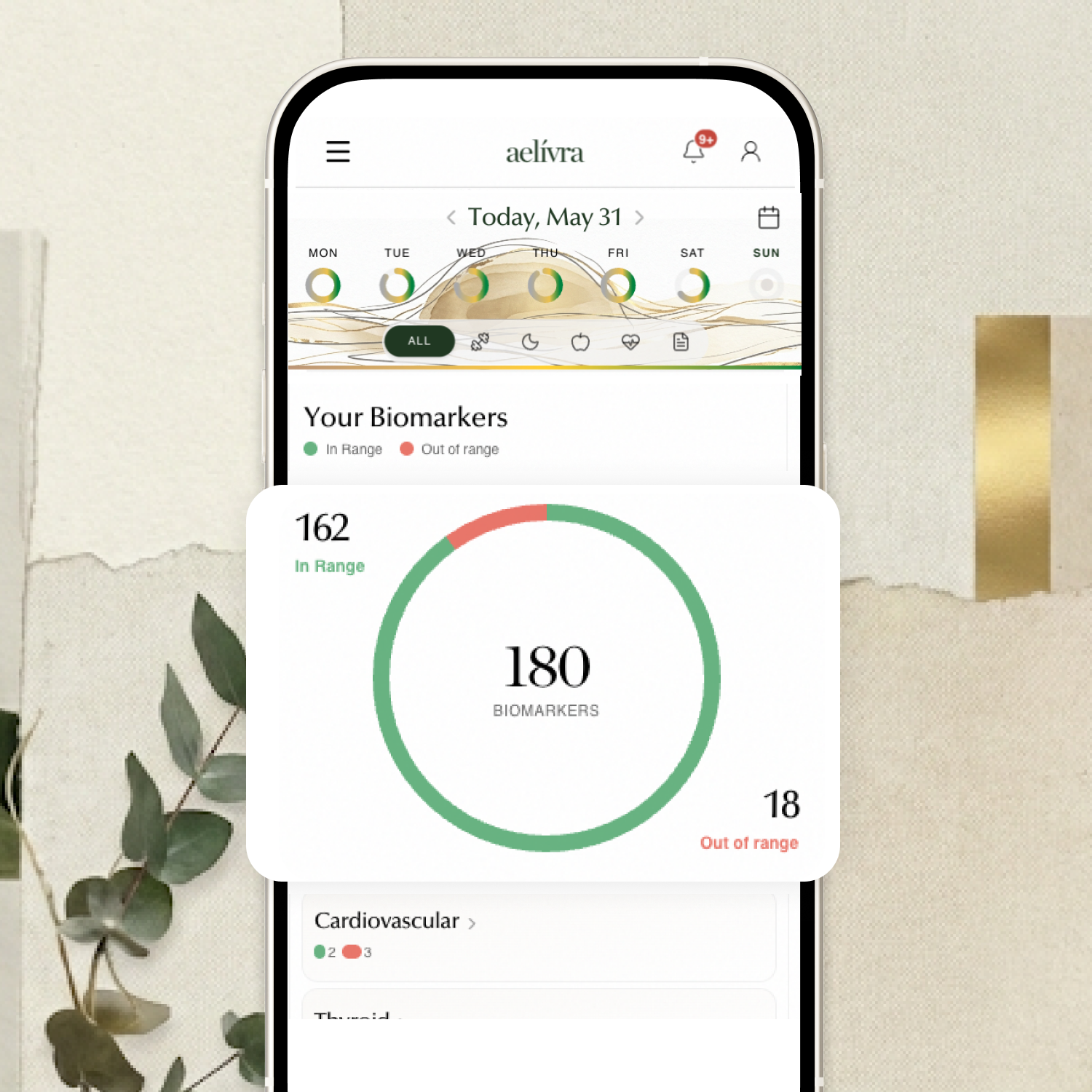
Blood work, scans, test results, medical reports — finally in one place and connected to how you actually feel. aelívra tracks biomarkers and health records over time, so you can see what's trending in the right direction and walk into your next appointment knowing exactly what to discuss.
How Does Biotin Affect Your Thyroid Test Results?
High doses of biotin artificially distort thyroid test results by interfering with the chemical assays laboratories use to measure hormones. This interaction typically produces a false reading that mimics an overactive thyroid, showing abnormally low TSH and high fT4.
Many popular hair, skin, and nail supplements contain massive doses of vitamin B7, which actively binds to the reagents in standard blood test equipment.
The resulting data looks identical to clinical hyperthyroidism. Patients often endure unnecessary anxiety and expensive follow-up scans before doctors identify the daily supplement as the actual culprit. A simple vitamin can entirely derail a diagnostic process.
Ceasing biotin intake a few days prior to the draw clears the vitamin from the bloodstream. This ensures the laboratory equipment measures actual thyroid output, rather than supplement residue.
Stop taking any supplements containing biotin at least 72 hours before a scheduled thyroid panel to ensure accurate laboratory results.
Should You Take Your Thyroid Medication Before the Test?
People taking thyroid hormone replacement therapy should generally wait to take their daily dose until after their blood is drawn. Taking medication beforehand causes a temporary spike in circulating hormone levels, which misrepresents the steady-state baseline.
Consistency is the most crucial factor for monitoring established conditions. Taking a pill hours before the test floods the bloodstream with fresh hormones.
This artificial peak does not reflect how much hormone is available to the tissues throughout the rest of the day. Delaying the dose until after the appointment provides a clearer picture of treatment efficacy.
Providers look for long-term stability when adjusting medication dosages. Testing in a fasted, unmedicated state allows doctors to see what the body is doing on its own, right before the next dose is due.
Frequently Asked Questions About Thyroid Testing
Can I drink water before a fasting thyroid test?
Yes. Drinking plain water is perfectly fine and actually makes the blood draw easier by keeping veins hydrated. Avoid coffee, tea, or flavoured waters until after the test.
Does a bad night of sleep affect thyroid test results?
Acute sleep deprivation does not significantly alter a standard thyroid panel the next morning. However, chronic sleep issues disrupt the broader circadian rhythm over time, which eventually impacts hormone regulation.
How often should someone check their thyroid levels?
People with diagnosed conditions usually test every six to twelve months once their medication dose is stable. Those experiencing new onset fatigue or weight changes should request an initial panel for investigation.
Sources

Cameron founded aelívra after years of living an unknown no one could answer — navigating chronic health complexity through a medical system that wasn't built for it. That experience became a conviction: everyone deserves to feel truly alive, and no one should have to accept not knowing as a way of life. His work sits at the intersection of data science and functional health and wellbeing, turning the latest trusted medical research across news, health, wearables, biomarkers, and more into advice everyday people can use on their journeys toward feeling better. Every article is grounded in peer-reviewed evidence and linked to its primary source. This content is for informational purposes only and does not replace medical advice.