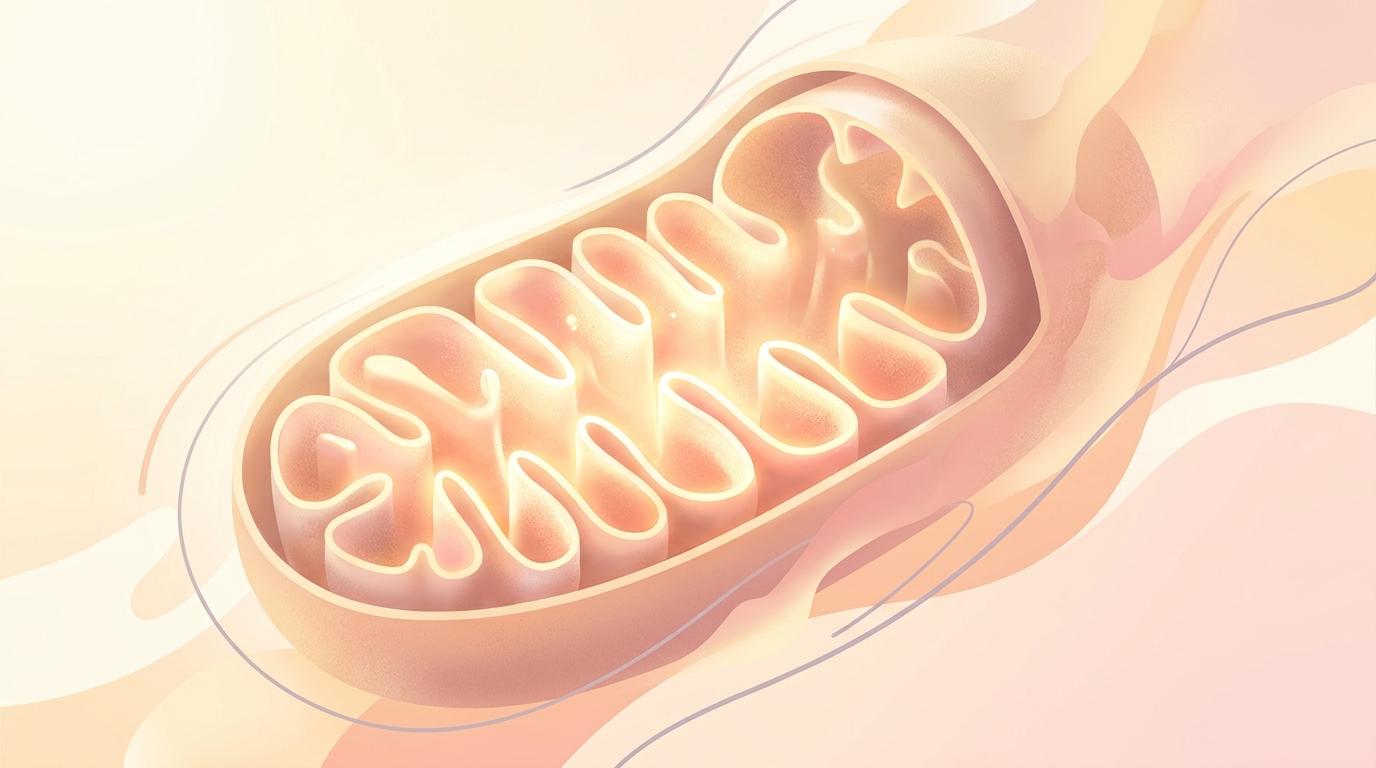
Summary at a glance
Polycystic ovary syndrome was officially renamed to polyendocrine metabolic ovarian syndrome (PMOS) in May 2026.
The new name addresses the medical reality that ovarian 'cysts' are actually normal, arrested egg follicles.
PMOS shifts the clinical focus toward metabolic health, acknowledging that 85% of patients experience insulin resistance.
A three-year global transition period will update medical guidelines and reduce historically long diagnostic delays.
This article covers the 2026 diagnostic name change from PCOS to PMOS. It is for informational purposes only and does not replace professional medical advice. Always consult a healthcare provider before changing how you track or manage hormonal and metabolic health.
Why was PCOS officially renamed to PMOS in 2026?
On May 12, 2026, polycystic ovary syndrome (PCOS) was officially renamed polyendocrine metabolic ovarian syndrome (PMOS) during the European Congress of Endocrinology in Prague. The landmark change, published simultaneously in The Lancet, corrects decades of diagnostic confusion by focusing on metabolic roots rather than just ovarian cysts theguardian.com.
The new name follows a 14-year global consensus process involving 56 international organizations markhamfertility.com. Professor Helena Teede, an endocrinologist and lead researcher on the initiative, notes that the original name obscured the diverse endocrine features of a condition affecting 170 million women worldwide theguardian.com. Removing the emphasis on ovaries allows for clearer, more accurate medical recognition umsu.unimelb.edu.au.
Does a PMOS diagnosis mean you don't actually have ovarian cysts?
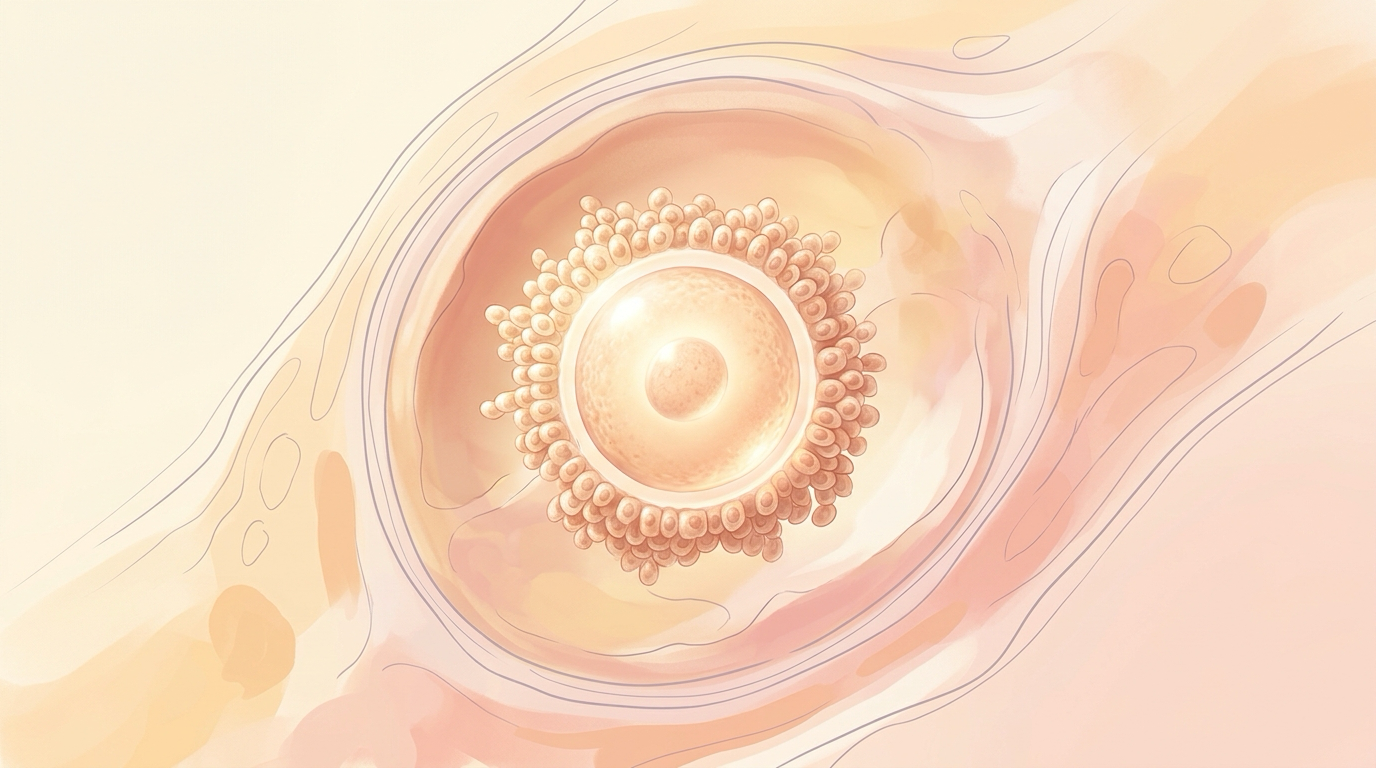
Yes. The term "cysts" has always been a medical misnomer. The structures seen on an ultrasound are actually antral follicles — small, fluid-filled sacs containing eggs that simply stopped maturing unsw.edu.au.
Dr. Michael Costello, a gynaecologist and senior lecturer with UNSW's School of Clinical Medicine, notes that having 20 or more of these follicles in at least one ovary is a key diagnostic feature unsw.edu.au. Calling them cysts caused unnecessary fear and distracted from the root hormonal imbalances driving the condition. Transitioning to PMOS finally removes this misleading emphasis umsu.unimelb.edu.au.
The fluid-filled sacs long labeled as cysts are actually perfectly normal egg follicles that just paused their development.
Why is metabolic health the new priority for PMOS management?
The "metabolic" addition to PMOS officially recognizes that this condition is deeply tied to how the body processes energy. According to a 2026 report in The Guardian, approximately 85% of women with the condition experience insulin resistance theguardian.com.
This metabolic dysfunction drives weight changes, chronic fatigue, and an increased risk for type 2 diabetes umsu.unimelb.edu.au.
| Focus Area | Old PCOS Model | New PMOS Framework |
|---|---|---|
| Primary feature | Ovarian "cysts" | Multi-system hormone imbalance |
| Key symptom focus | Menstrual irregularities | Insulin resistance and metabolism |
| Diagnostic timeline | Historically up to 12 years | Streamlined symptom pattern recognition |
The new terminology encourages doctors to look beyond fertility. Evaluating long-term cardiovascular and metabolic risks right from the first appointment is now the standard of care.
Historically, patients faced diagnostic delays of up to 12 years because doctors primarily looked for ovarian cysts rather than metabolic signs.
What hormone and metabolic patterns should you track for PMOS?
Tracking the full picture of health is the only way to manage PMOS effectively. Establishing context across a hormone panel, menstrual phase, and weight changes reveals the underlying physiological drivers.
Rather than waiting for a delayed cycle, monitoring daily energy dips, blood sugar fluctuations, and sleep quality paints a clearer picture. Connecting rest and stress to physical symptoms exposes the invisible triggers behind metabolic flare-ups. Platforms like aelívra map sleep, diet, stress, and symptoms against each other, surfacing connections so daily patterns become actionable.
Walking into appointments with weeks of health data turned into clean visual summaries shifts consultations from broad complaints to clear diagnostic steps.
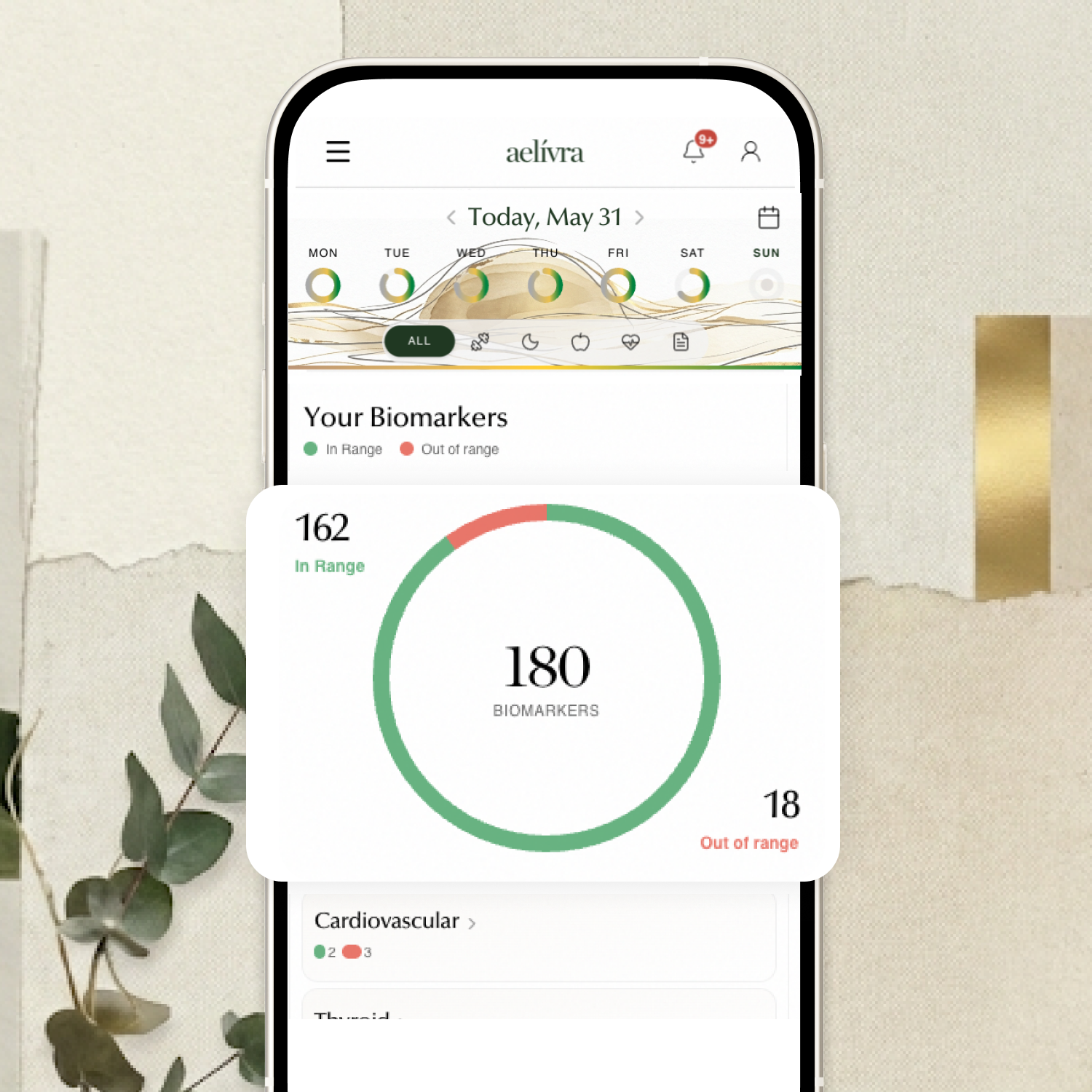
Blood work, scans, test results, medical reports — finally in one place and connected to how you actually feel. aelívra tracks biomarkers and health records over time, so you can see what's trending in the right direction and walk into your next appointment knowing exactly what to discuss.
PMOS Transition Frequently Asked Questions
The shift to PMOS brings medical clarity, but the clinical rollout will unfold over several years.
How long will the transition from PCOS to PMOS take?
Full implementation of the new PMOS name and updated guidelines will take place over a three-year transition period, culminating in the 2028 International Guideline update markhamfertility.com.
Does a previous PCOS diagnosis still count?
Yes. An existing diagnosis remains perfectly valid. The name change simply updates the medical terminology to better reflect the metabolic and hormonal realities already experienced.
Will treatment options change immediately under PMOS?
Core treatments remain similar, but the new diagnostic framework encourages doctors to prioritize lifestyle interventions, insulin resistance management, and holistic metabolic care much earlier in the patient journey www1.racgp.org.au.
Sources

Cameron founded aelívra after years of living an unknown no one could answer — navigating chronic health complexity through a medical system that wasn't built for it. That experience became a conviction: everyone deserves to feel truly alive, and no one should have to accept not knowing as a way of life. His work sits at the intersection of data science and functional health and wellbeing, turning the latest trusted medical research across news, health, wearables, biomarkers, and more into advice everyday people can use on their journeys toward feeling better. Every article is grounded in peer-reviewed evidence and linked to its primary source. This content is for informational purposes only and does not replace medical advice.