
Summary at a glance
Ferritin is a specialized protein that acts as your body's cellular iron savings account, storing the mineral for future physical energy needs.
You can experience severe fatigue and cellular iron depletion even if your standard hemoglobin levels appear completely normal on a basic blood test.
Systemic inflammation acts like a smokescreen and can artificially inflate your ferritin numbers, masking a true underlying deficiency.
It generally takes three to four months of consistent dietary adjustments or targeted supplementation to meaningfully rebuild depleted cellular iron stores.
What do your ferritin levels actually mean for your energy?
Your ferritin levels indicate exactly how much iron is stored inside your cells. While standard blood tests measure the active iron currently circulating in your blood, ferritin reveals your deep cellular reserves. Understanding your ferritin levels meaning helps explain unexplained fatigue long before clinical anemia appears.
Think of ferritin as your body's internal iron savings account.
When you need more energy, your body draws from this vault. If the account runs empty, you experience cellular exhaustion regardless of what your primary blood count shows. You simply do not have the raw materials needed to sustain normal cellular activity over a full day.

Why is my ferritin low if my hemoglobin is normal?
You can have depleted ferritin while maintaining normal hemoglobin because your body prioritizes keeping your blood supplied with iron over maintaining its storage reserves. It drains your cellular savings account first to keep essential oxygen flowing to your organs.
This creates a condition known clinically as iron deficiency without anemia. A comprehensive review in The Lancet (2021) reports that iron deficiency without anemia is at least twice as common as iron deficiency anemia, yet it is frequently missed during routine checkups thelancet.com. Doctors often look only at a standard complete blood count. If hemoglobin looks fine, they might report everything as perfectly healthy.
Yet, you still feel completely drained.
Wyatt Brown, a researcher at Examine, explains that iron is an essential mineral that helps red blood cells carry oxygen, but cautions against blind supplementation without confirming a deficiency examine.com. You must know your specific cellular storage numbers before deciding on a health intervention.
What are the normal ferritin ranges for men and women?
Normal ferritin ranges vary significantly by sex and testing laboratory, but they provide a baseline for your metabolic health.
However, reaching the bottom edge of "normal" does not always mean your iron levels are optimal for your daily energy demands. The World Health Organization (2020) reports that a ferritin concentration below 15 mcg/L in adults definitively indicates depleted iron stores who.int. Many people experience severe fatigue well before they hit that absolute bottom threshold.
Cleveland Clinic (2025) reports the following standard reference ranges used by most clinical laboratories my.clevelandclinic.org:
| Population | Standard Reference Range | Clinical Deficiency Threshold |
|---|---|---|
| Adult Men | 24 - 336 mcg/L | < 15 mcg/L |
| Adult Women | 11 - 307 mcg/L | < 15 mcg/L |
Always read your specific lab report carefully. Different pathology providers use slightly different calibration methods for their testing equipment, which mildly shifts these brackets.
Request a full iron panel rather than just a ferritin check. Looking at total iron-binding capacity alongside ferritin provides a much clearer picture of your cellular health.
Can high ferritin be caused by inflammation instead of iron overload?
Yes, high ferritin frequently results from acute or chronic inflammation rather than an actual overload of iron in your body. Ferritin is known as an acute-phase reactant, meaning its cellular production spikes rapidly when your immune system faces physical stress.
This creates a frustrating diagnostic trap. If you have an active infection, an autoimmune flare, or systemic joint pain, your liver pumps out extra ferritin automatically. MedlinePlus (2024) notes that conditions like adult Still disease often present with high ferritin levels alongside chronic rash and joint discomfort medlineplus.gov.
This inflammatory spike easily masks a true iron deficiency.
Your underlying cellular iron stores might be completely depleted, but the temporary inflammation pushes your blood reading into the normal or high range. This is exactly why doctors test C-reactive protein (CRP) alongside your iron panel to rule out inflammatory interference. If you are trying to understand Chronic Fatigue Syndrome vs Burnout, getting accurate, unclouded biomarker data is a critical first step.
Never start therapeutic blood donation or intensive iron chelation based on a single high ferritin result. Always verify if an underlying inflammatory process is artificially driving the number up first.
What symptoms should you track if you suspect low ferritin?
If your ferritin levels are dropping, you will likely notice persistent exhaustion, unexplained shortness of breath during light activity, and generalized muscle weakness. These physical signs often appear weeks or months before a standard anemia diagnosis.
A deficit impacts your entire physical system because ferritin actively supports bone marrow health and muscle metabolism medlineplus.gov.
Dietary absorption plays a massive role in whether you develop these draining symptoms over time. The NIH Office of Dietary Supplements (2023) reports that highly absorbable heme iron contributes about 10% to 15% of total iron intakes in Western populations ods.od.nih.gov. If you rely entirely on plant-based sources, your digestion has to work significantly harder to convert and store that vital mineral.
Keep a close log of your daily energy crashes. For instance, figuring out how to stop feeling tired after eating often requires looking closely at how your meals interact with your metabolic iron reserves.
How often should you retest your ferritin levels?
You should wait at least three to four months before retesting your ferritin levels after making dietary changes or starting a specialized protocol. It takes considerable physical time for your cellular storage reserves to gradually rebuild.
Checking your blood too early easily leads to misleading results. You might see a temporary spike in active serum iron without actually rebuilding the deep cellular vault.
Consistency matters far more than frequency. Tracking your numbers twice a year provides a highly reliable baseline for catching downward trends. Function Health (2024) includes ferritin in their standard testing intervals because it provides a complete picture of your metabolic health trajectory over time functionhealth.com. Patience allows your body the necessary time to synthesize the protein and safely sequester the mineral.
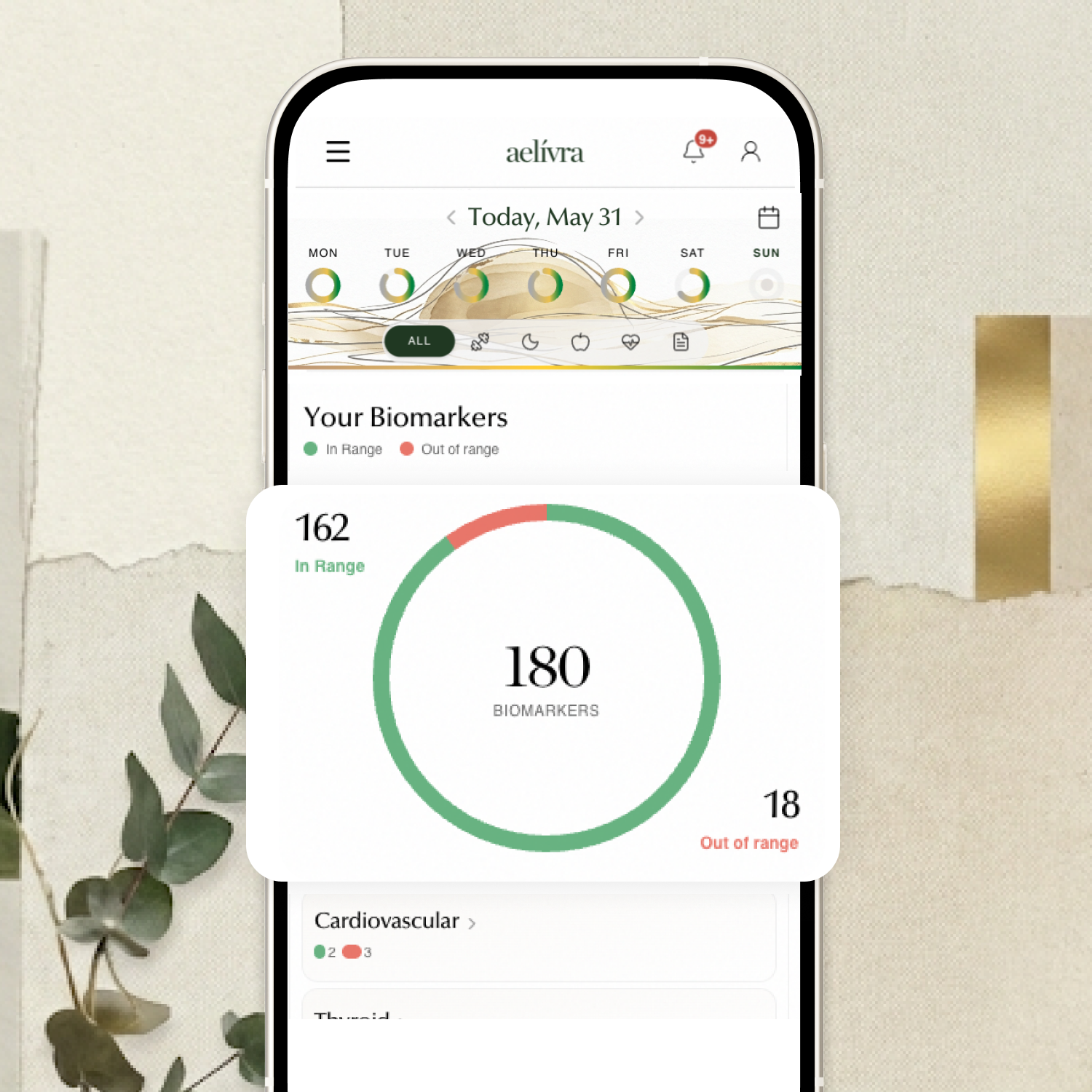
All Your Health Records, Evaluated Together
Blood work, scans, test results, medical reports — finally in one place and connected to how you actually feel. aelívra tracks biomarkers and health records over time, so you can see what's trending in the right direction and walk into your next appointment knowing exactly what to discuss.
Frequently Asked Questions
Does a normal ferritin level mean I don't need iron?
Not necessarily. If you have underlying inflammation or a recent immune response, your ferritin might look perfectly normal even when your actual iron stores are completely depleted.
Should I take supplements if my ferritin is on the low end of normal?
You should never blindly supplement without clinical guidance. Excess iron directly causes oxidative stress and provides absolutely no physical benefit unless you have a confirmed deficiency examine.com.
What foods naturally boost ferritin levels?
Meat, seafood, and poultry contain highly bioavailable heme iron, which your body stores easily and efficiently ods.od.nih.gov. Pairing plant-based nonheme iron with vitamin C also dramatically improves your natural dietary absorption rates.