Summary at a glance
Abbott's Lingo is an over-the-counter glucose biosensor starting at $54 for a two-week plan with one sensor, rising to $249 for a 12-week, six-sensor subscription.
The most repeated complaint across app stores, Reddit and retailer reviews is directional: Lingo tends to read below a finger stick, often by 20 to 40 mg/dL.
Abbott's own product listing states that 77.1% of biosensors lasted the full 14 days, and early failure is the most common hardware complaint in every consumer source.
Lingo displays glucose only between roughly 55 and 200 mg/dL, and Abbott states it is not intended for diagnosis or management of any disease including diabetes, or for anyone using insulin.
This review aggregates public user sentiment captured in July 2026 across 24 sources. We did not test Lingo first-hand.
This review aggregates publicly available user reviews, retailer ratings and published tester accounts. We have not used Abbott's Lingo biosensor first-hand. Abbott sells Lingo over the counter and states it is not intended for diagnosis or management of any disease including diabetes. It is not for people using insulin, under 18, on dialysis or critically ill, or living with problematic hypoglycaemia. Continuous glucose sensors read interstitial fluid and can differ from a blood glucose meter, so never change food, medication or insulin doses on a sensor reading alone. Talk with a licensed clinician before acting on any glucose data. Pricing and specifications were checked in July 2026 and may change.
Is Lingo Worth It?
Lingo is worth it if you want a cheap, two-week read on how food moves your glucose. It is not for anyone dosing insulin. Abbott sells the biosensor over the counter from $54. Aggregated reviews praise the insight and the app design. The same reviews report sensors dying early and numbers running low.
We have not worn one, so every experience below belongs to someone else.
The split in the reviews is sharp. Amazon's 5,166 ratings average 3.0 out of 5, with 38% five-star and 36% one-star amazon.com. People either get a clean fortnight of data, or a support ticket.
Curious buyers with no diabetes diagnosis who want a short, prescription-free look at their own glucose.
Lingo 2-week plan ($54)Aggregated reviews rate the app and the food-glucose insight highly, but flag biosensors failing before day 14 and readings that sit below finger sticks.
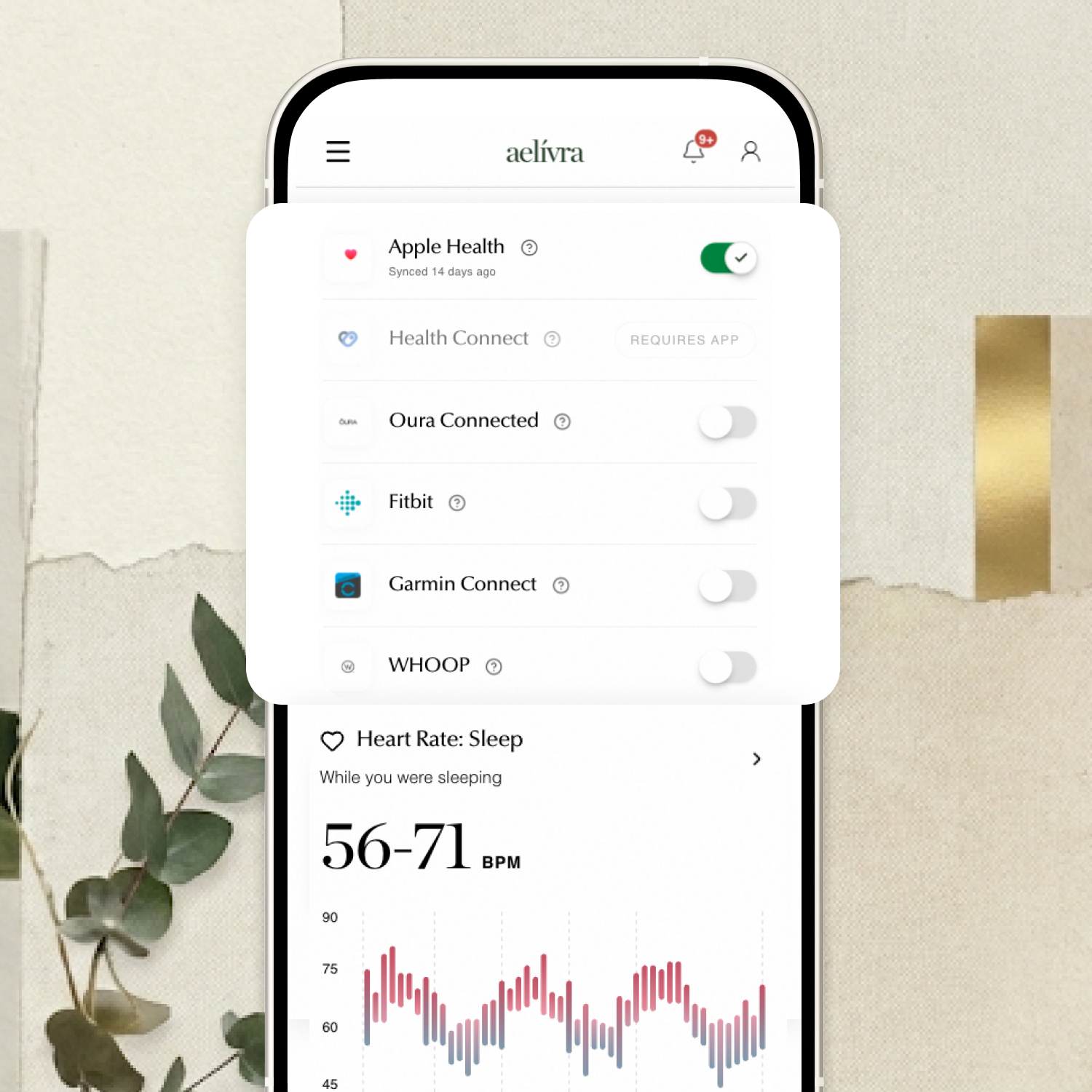
Make the most of your wearables. HRV, resting heart rate, and sleep stages can finally mean something. aelívra connects 500+ wearables and apps (Oura, Apple Health, Garmin, Fitbit, Whoop) and maps that data directly against how you actually feel — your syptoms and your wellbeing first, always.
What is Lingo by Abbott?
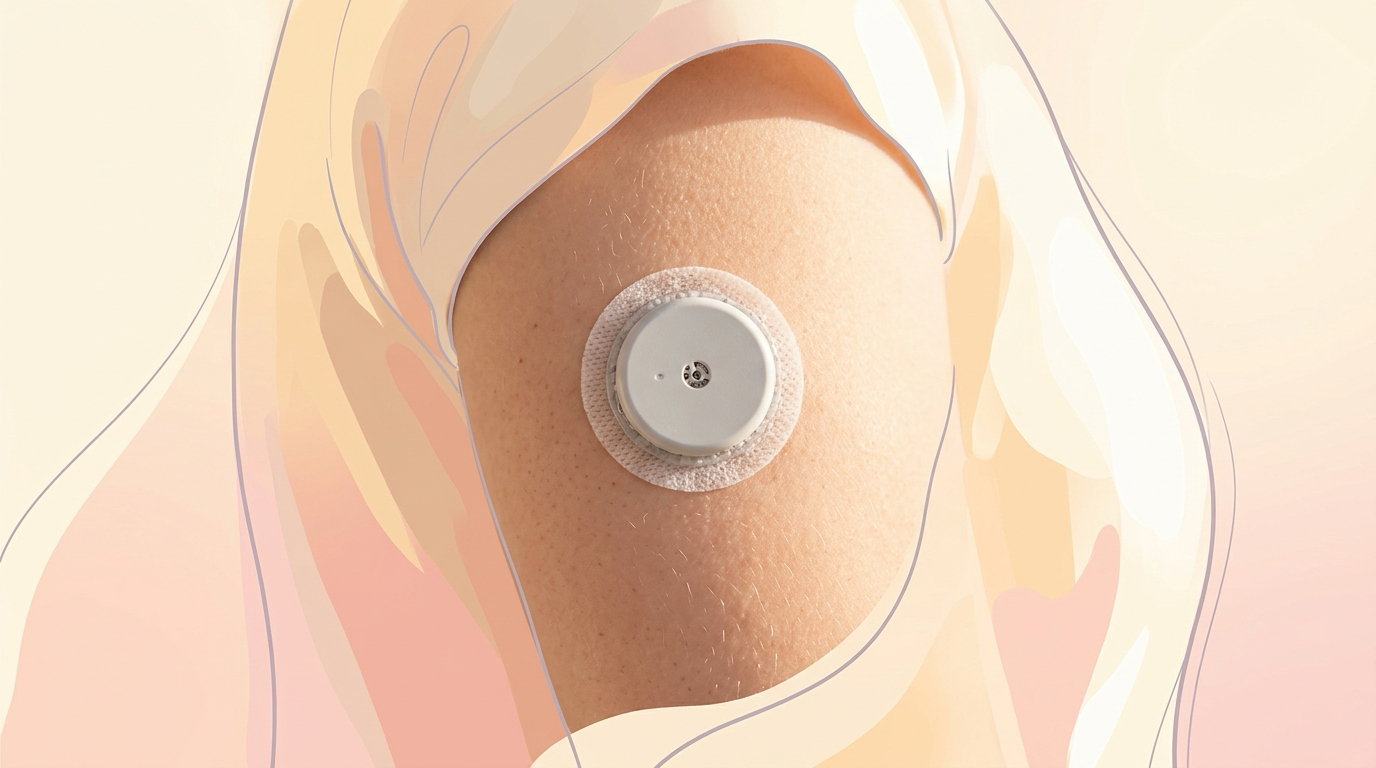
Lingo is Abbott's over-the-counter glucose biosensor. A patch sits on the back of your upper arm for up to 14 days and sends a reading to the app every minute. No prescription and no insurance call.
It runs on the same FreeStyle Libre platform Abbott already sells to people with diabetes.
The medical parts are stripped out, though. There are no glucose alarms and no caregiver app. The graph only shows values between roughly 55 and 200 mg/dL. Abbott states plainly that Lingo is not for diagnosing or managing any disease. The label also rules out insulin users, under-18s, dialysis patients and anyone with problematic hypoglycaemia.
You log meals by search, and your day gets scored with a proprietary Lingo Count.
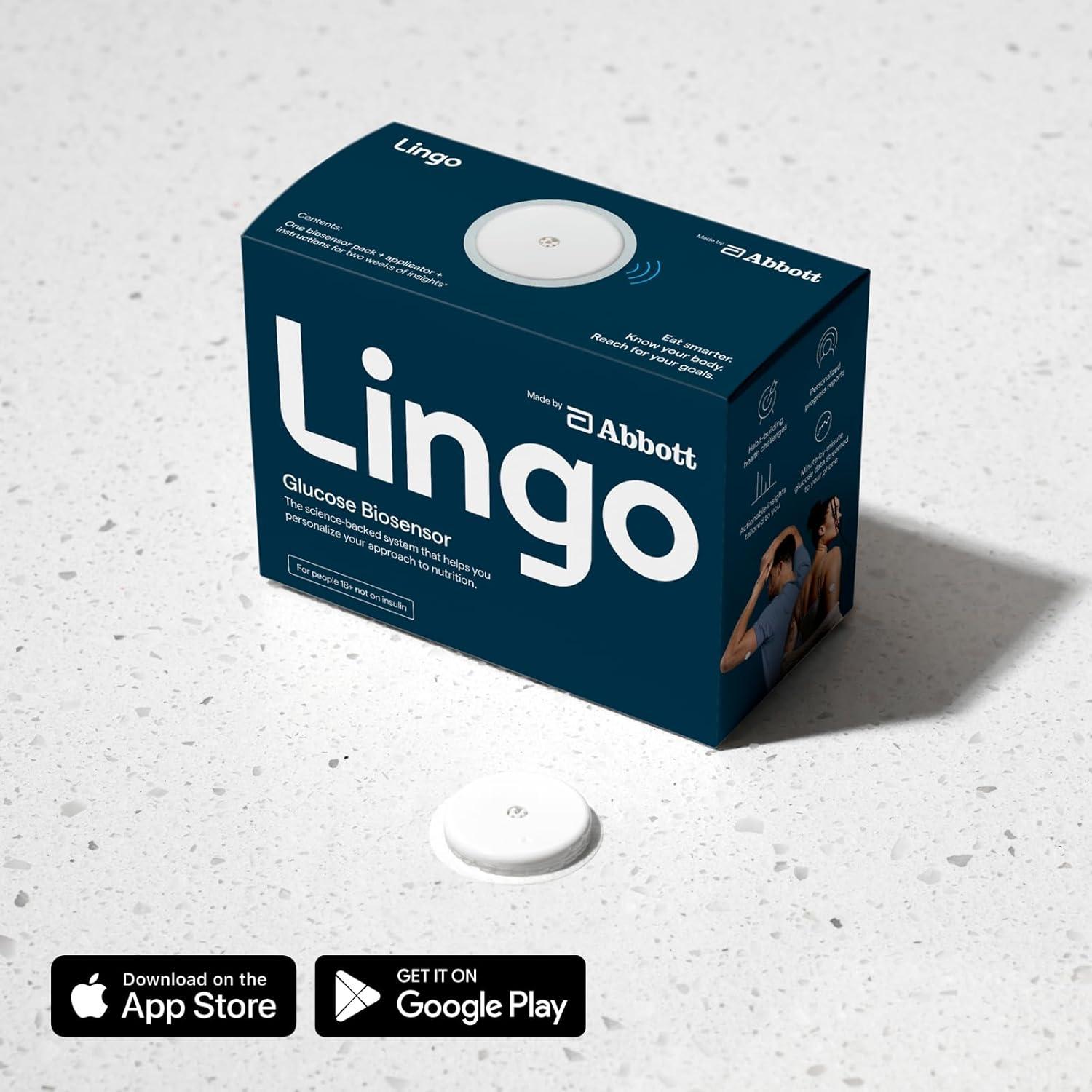 Lingo biosensor retail box with a sensor beside it
How much does Lingo cost?
Abbott's Lingo starts at $54 for a two-week plan with one biosensor, and that plan does not auto-renew hellolingo.com. UK buyers pay £59.
Buying more sensors lowers the unit price. The four-week plan is $89 for two biosensors, which is $44.50 each. The twelve-week plan is $249 for six, or $41.50 each. Only that last one auto-renews. It bills every twelve weeks until you cancel.
Shipping is free on all three.
Read it as a running cost. Continuous wear needs two sensors a month, so $83 to $108 depending on the plan. HSA and FSA cards work, which is how several reviewers pay.
Only the 12-week plan auto-renews, and the 30-day money-back guarantee covers first purchases only. Check which plan you are on before the next $249 bill lands.
2-week plan
$54 USD / £59 GBP
4-week plan
$89 USD / £99 GBP
12-week subscription
$249 USD / £289 GBP
2-week plan
1 biosensor
4-week plan
2 biosensors
12-week subscription
6 biosensors
2-week plan
$54.00
4-week plan
$44.50
12-week subscription
$41.50
2-week plan
No
4-week plan
No
12-week subscription
Yes, every 12 weeks
What do users like about Lingo?
Most of the praise is about what people learned. Buyers describe finding which foods spike them, and which habits flatten the curve.
One App Store reviewer wrote that it was surprising which foods spiked their glucose, and just as amazing which interventions brought the spike back down apps.apple.com. Others report outcomes. A long-term user credits Lingo with clearing high spikes and easing neuropathy. Weightlifting, they noticed, pulled their afternoon numbers down.
The app itself gets the warmest words of all.
One Reddit user who came from Abbott's prescription Libre app calls the Lingo app "very elegant" and calming reddit.com. Painless application is the other quiet win. Amazon reviewers keep saying they braced for the needle and felt nothing.
Support earns credit too, if you phone rather than email. Reviewers describe a human picking up, then a free replacement.
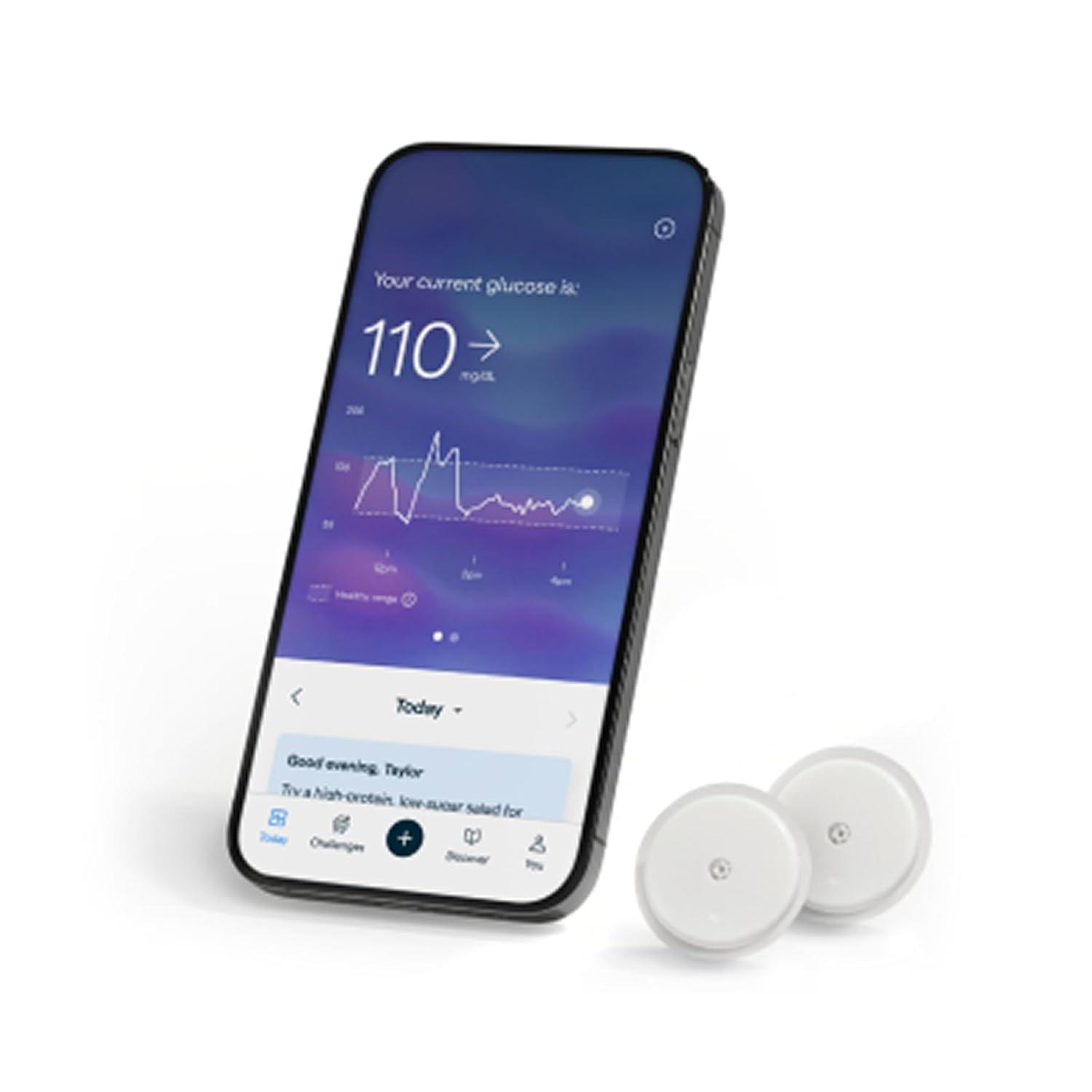 Lingo app on a phone beside two biosensors
Lingo by Abbott
Reviewers consistently report specific, useful discoveries about which foods and habits move their glucose
The app is widely called elegant, and calmer than Abbott's own prescription Libre app
Over the counter from $54, with no prescription, no insurance fight and HSA/FSA eligibility
Phone support answers and replaces failed biosensors free, often with expedited shipping
Readings commonly land 20 to 40 mg/dL below a finger stick, in the same direction each time
Abbott's own product listing states 77.1% of biosensors lasted the full 14 days
The adhesive lifts before the sensor expires, and no overpatch comes in the box
Email and web-form support routinely takes two to three weeks, or never replies
What are the most common Lingo complaints?
Two complaints dominate. Readings run low, and sensors stop early.
The low reading shows up in one direction, over and over. Users put the gap at 20 to 40 mg/dL below a finger stick reddit.com. One Reddit poster checked hers against a lab. During a glucose tolerance test Lingo peaked at 111 while her blood draws peaked at 133 reddit.com. A few people report the opposite drift.
Then there is the hardware.
App Store reviewers count their own failures, like three sensors out of six. Abbott's Amazon listing concedes the ceiling, stating that 77.1% of biosensors lasted the full 14 days amazon.com. One Reddit commenter pushes back with eleven-plus sensors and no failures, and wonders whether the phone is at fault rather than the patch. The adhesive is a separate problem, lifting early for many people. No overpatch comes in the box.
Dropped connections are the other steady complaint. One Walmart buyer describes cycling Bluetooth ten times a day with the phone sitting right beside them. One Amazon reviewer found it stops reporting past about twelve feet.
Support splits hard by channel. Email and the web form are where the anger lives. Trustpilot reviewers say first replies take two to three weeks. One user was asked to post back a blood-covered sensor she had already binned reddit.com.
Lingo tends to read below a finger stick, and it displays glucose only between roughly 55 and 200 mg/dL. Do not use it to judge a high or a low.
Who should use Lingo?
Lingo fits a curious buyer with no diabetes diagnosis who wants a fortnight of data and no paperwork. If you want to know what your breakfast does to you, $54 buys that answer.
Skip it if you take insulin.
Abbott's label also rules out under-18s, dialysis patients and anyone with problematic hypoglycaemia. There are no alarms and no caregiver app. Plenty of type 2 reviewers buy Lingo anyway, because insurance will not cover a medical CGM play.google.com. Some rate it five stars for that reason. Abbott is still clear that Lingo is not intended for diagnosis or management of any disease including diabetes. The 200 mg/dL ceiling hides their highs.
One more group is worth naming. Some reviewers describe becoming obsessive about their numbers. A 2024 UK tester raised the same worry about disordered eating goodhousekeeping.com. A fortnight of learning may beat months of watching.
Readers weighing broader tracking compare function health review and whoop alternatives.
 Lingo biosensor with its 14-day replacement promise
How we researched this review
We did not test Lingo first-hand. This review aggregates public sentiment from 24 sources across seven venues, captured 29 July 2026.
That comes to roughly 300 distinct opinions.
What we read:
Two things shaped the weighting. Two-thirds of the Trustpilot capture came through Abbott's own invitation links, and those reviews run short and glowing. Many of Walmart's newest reviews carry a promotion disclosure under an Abbott byline. So the Amazon ratings and newest app-store reviews counted most.
The written tester layer is all launch-era, published between September 2024 and January 2025. Those accounts inform framing here, never present-tense sentiment.
Two-thirds of Lingo's Trustpilot reviews arrive through Abbott's own invitation links. Those invited reviews average 4.39 stars, against 2.26 for the organic ones.
Common questions about Lingo
Is the Lingo biosensor accurate?
User reports say it reads low, usually by 20 to 40 mg/dL against a finger stick. An Abbott support email, pasted into one thread, puts the tolerance at 87% of readings within 20% or 20 mg/dL of a lab value reddit.com.
Lingo vs Stelo: which reads closer to a finger stick?
Users who wore both at once found Stelo reading high and Lingo low, with Lingo the closer of the two reddit.com. Both drift, so neither replaces a meter.
Can people with diabetes use Lingo?
Abbott says no. It is not intended for diagnosing or managing any disease, and not for anyone on insulin. The 55 to 200 mg/dL band also hides the highs that matter.
Do you need a prescription for Lingo?
No. Abbott sells Lingo over the counter in the US and UK, and HSA and FSA cards work.
How long does a Lingo biosensor last?
Up to 14 days. Abbott's own listing states 77.1% lasted the full term. Early failure is the most common hardware complaint. Replacements are usually granted by phone.
Sources

Cameron founded aelívra after years of living an unknown no one could answer — navigating chronic health complexity through a medical system that wasn't built for it. That experience became a conviction: everyone deserves to feel truly alive, and no one should have to accept not knowing as a way of life. His work sits at the intersection of data science and functional health and wellbeing, turning the latest trusted medical research across news, health, wearables, biomarkers, and more into advice everyday people can use on their journeys toward feeling better. Every article is grounded in peer-reviewed evidence and linked to its primary source. This content is for informational purposes only and does not replace medical advice.