
Summary at a glance
The 30% rule prevents severe symptom crashes by ensuring activities are stopped while 30% of energy reserves remain.
Long COVID fatigue operates on a delay, with post-exertional malaise (PEM) often appearing 24 to 48 hours after the triggering activity.
Wearable heart rate tracking provides an objective biological guardrail against overexertion by alerting users before they enter an anaerobic state.
Cognitive and emotional exertion drain the exact same finite energy pool as physical movement and must be actively restricted.
Aggressive rest requires scheduled periods of complete sensory deprivation rather than passively scrolling on a phone or watching television.
The information provided is for educational purposes only and does not constitute clinical medical advice. Long COVID pacing protocols should be developed alongside a healthcare provider, particularly for those experiencing severe post-exertional malaise or autonomic dysfunction. Always consult a medical professional before starting new exertion or recovery regimens.
What Is the 30% Rule for Long COVID Energy Management?
The 30% rule for Long COVID energy management is a pacing strategy where people stop any physical or mental activity when they feel 30% of their energy remains. This creates a critical biological buffer. It prevents the nervous system from crashing and helps avoid severe post-exertional malaise (PEM).
TeleDirectMD (2026) reports that pacing remains the consensus first-line management strategy for post-exertional malaise. teledirectmd.com Because Long COVID involves over 200 documented symptoms, finding a sustainable baseline is vital for recovery. teledirectmd.com Traditional rehabilitation often encourages patients to push past limits. For someone with a post-viral condition, this conventional advice is actively harmful.
Pushing to the point of exhaustion virtually guarantees a delayed crash. The 30% rule shifts the entire focus of daily life from completing tasks to preserving physiological capacity.
For example, someone might wash dishes for ten minutes. They pause and mentally check their internal battery. If their reserves are dipping toward that 30% threshold, they stop immediately. Leaving the dishes unfinished protects tomorrow's energy baseline. Over time, maintaining this safety net allows the body's inflammatory response to calm down.
How Do You Identify Your Personal Energy Envelope?
The personal energy envelope is the total amount of physical, cognitive, and emotional activity a person can sustain daily without triggering a symptom crash. Finding this limit requires meticulous tracking. Exertion levels must be mapped against delayed symptom responses.
To locate this boundary, people monitor everything that drains energy. Physical movement is obvious. Intense conversations, reading, and emotional stress draw from the exact same limited power source. According to a 2026 Mayo Clinic study of 571 adults, managing core symptoms like severe fatigue requires precise tracking before attempting pharmaceutical treatments. eurekalert.org Until the daily energy budget is understood, interventions often fail.
| Activity Category | Energy Drain Level | Common Everyday Examples |
|---|---|---|
| Cognitive | High | Reading complex emails, paying bills, navigating software |
| Emotional | High | Stressful conversations, processing grief, exciting social events |
| Physical | Moderate to High | Walking up stairs, showering, carrying groceries |
| Sensory | Moderate | Bright lights, loud environments, scrolling on a phone |
Operating safely inside the envelope prevents the body from launching a disproportionate immune response. When people consistently stay within this safe zone, the nervous system stabilizes. This stability is the foundation of recovery.
Pushing past the envelope does not build endurance. It simply forces the body to borrow energy from the following days. This guarantees a severe energy deficit.
Post-exertional malaise (PEM) is the hallmark of Long COVID fatigue and is frequently triggered by complex mental tasks, not just physical exercise.
Why Does Long COVID Fatigue Often Feel Worse Two Days Later?
Long COVID fatigue frequently peaks 24 to 48 hours after an activity because post-exertional malaise (PEM) is a delayed neurological and metabolic response. The body fails to process energy correctly during exertion. This failure triggers a cascading inflammatory reaction that surfaces a day or two later.
ME/CFS Australia (2026) reports that the most commonly reported delay in PEM onset is one to two days following the initial trigger. mecfs.org.au This massive delay makes it incredibly difficult to connect a symptom crash to its actual cause without tracking. A severe fatigue episode on Thursday morning might be the direct result of a busy grocery trip on Tuesday afternoon.
This delayed onset creates the infamous push-crash cycle. People wake up feeling slightly better. They use that brief surge of energy to catch up on household chores. They unknowingly drain their fragile reserves.
The consequence arrives 48 hours later as a profound loss of energy. Recovery from these delayed crashes can take days, weeks, or even months. mecfs.org.au Recognizing this delay is the first step in breaking the cycle. Understanding the difference between this profound energy loss and other conditions is crucial for pacing. Read more about Chronic Fatigue Syndrome vs Burnout.
 A visual representation of fluctuating daily energy levels over a 48-hour period.
How Can You Use a Heart Rate Monitor to Stop a PEM Crash?
A heart rate monitor helps stop a PEM crash by acting as an objective biological guardrail against overexertion. By setting a strict heart rate ceiling, people receive immediate alerts when their body enters an anaerobic state. This allows them to rest before exhaustion sets in.
Wearable technology removes the guesswork from daily pacing. Because Long COVID often involves severe autonomic dysfunction, heart rates can spike dramatically during light tasks. Simply standing up to get a glass of water can trigger a massive cardiovascular response.
A 2026 study by Lancaster University involving 250 participants tested digital pacing interventions over six months. The research demonstrated that wearable tracking provides safe and highly actionable energy management. lancaster.ac.uk
Dr Lawrence Hayes is a researcher at Lancaster University. He notes the immense value of tracking physical load to effectively manage daily energy levels. lancaster.ac.uk Setting an alert for 15 to 20 beats above a resting heart rate gives a tangible warning. When the watch vibrates, it signals the immediate need to sit down. This objective data helps people stop activity before they cross the threshold into a metabolic crash.
Setting a wearable device to alert at 15 beats above resting heart rate helps catch invisible metabolic overexertion before a crash begins.
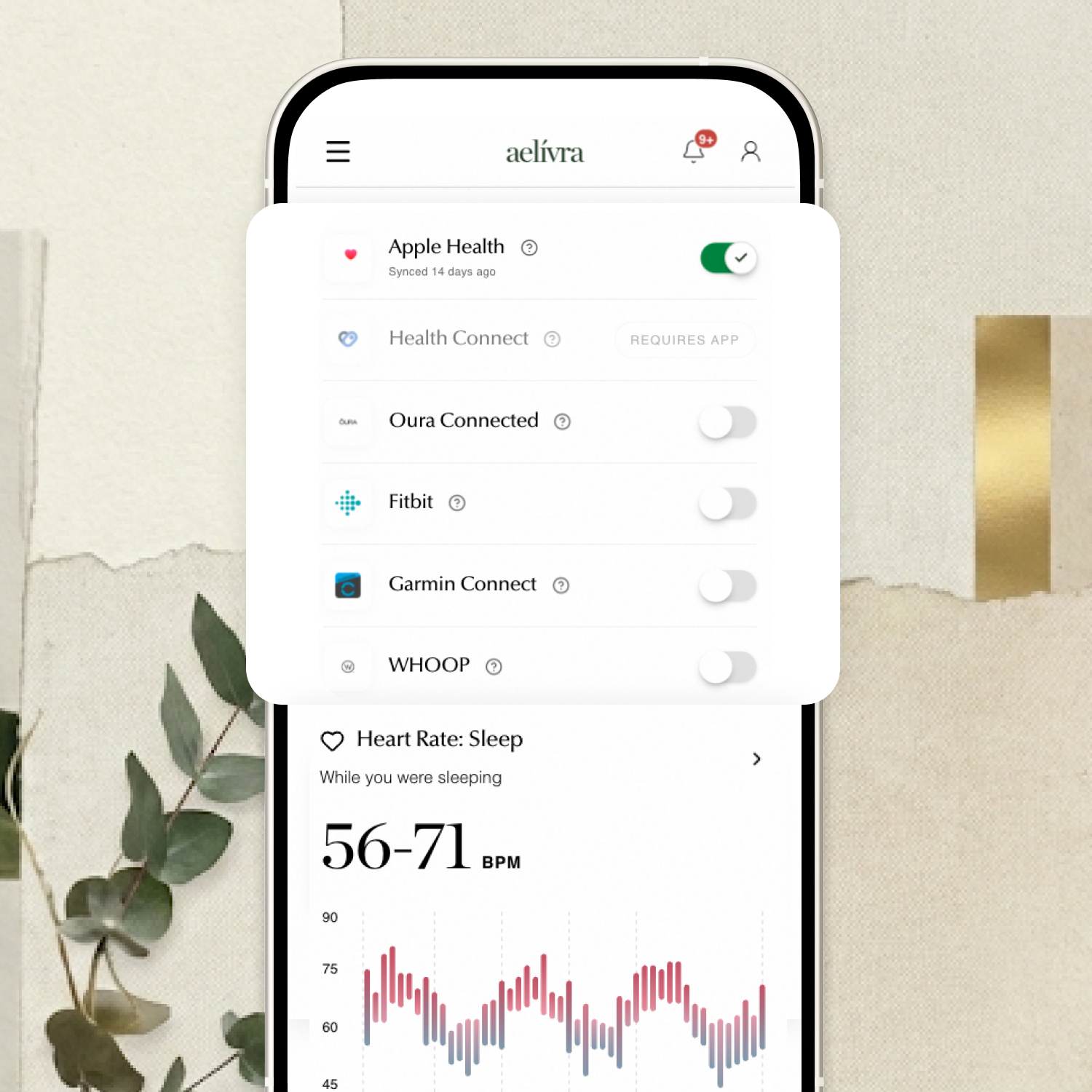
Make the most of your wearables. HRV, resting heart rate, and sleep stages can finally mean something. aelívra connects 500+ wearables and apps (Oura, Apple Health, Garmin, Fitbit, Whoop) and maps that data directly against how you actually feel — your syptoms and your wellbeing first, always.
Is Mental Work as Draining as Physical Activity in Long COVID?
Mental work drains the exact same limited energy pool as physical activity in people with Long COVID. Complex cognitive tasks like reading, working on a computer, or navigating a busy environment trigger severe post-exertional malaise just as quickly as running a mile.
The brain consumes an immense amount of metabolic energy to process information. ME/CFS Australia (2026) confirms that PEM is routinely triggered by minimal physical, mental, or emotional effort. mecfs.org.au The severity of the resulting symptom flare is completely out of proportion to the actual intensity of the mental task. mecfs.org.au A 30-minute video call can leave someone bedbound the following day.
People often attempt to rest their bodies while continuing to scroll on their phones. They might watch fast-paced television or answer work emails. This is a false rest.
The cognitive load keeps the nervous system fully engaged and consuming resources. It prevents any actual physiological recovery. Treating screen time and complex problem-solving as high-exertion activities is essential for a functional pacing protocol.
Attempting to push through severe cognitive fatigue forces the body into an inflammatory state, which can permanently lower the baseline energy envelope.
How Do You Structure Aggressive Rest for Recovery?
Aggressive rest involves scheduled periods of zero stimulation to allow the nervous system to truly recover. This means lying in a dark, quiet room with closed eyes. There is no phone, television, or background music. It creates an environment of complete sensory deprivation.
To implement aggressive rest, people establish non-negotiable breaks throughout the day.
The RECOVER initiative (2026) has gathered over 82 million datapoints to accelerate Long COVID research. recovercovid.org Their findings highlight the profound need for systematic recovery methods to manage complex post-viral symptoms. recovercovid.org
Resting proactively rather than waiting for exhaustion prevents the cellular damage that drives the condition. It requires treating rest as an active, scheduled medical intervention. It is not a passive break taken only when feeling tired.
A quiet, darkened room set up for sensory deprivation and aggressive resting.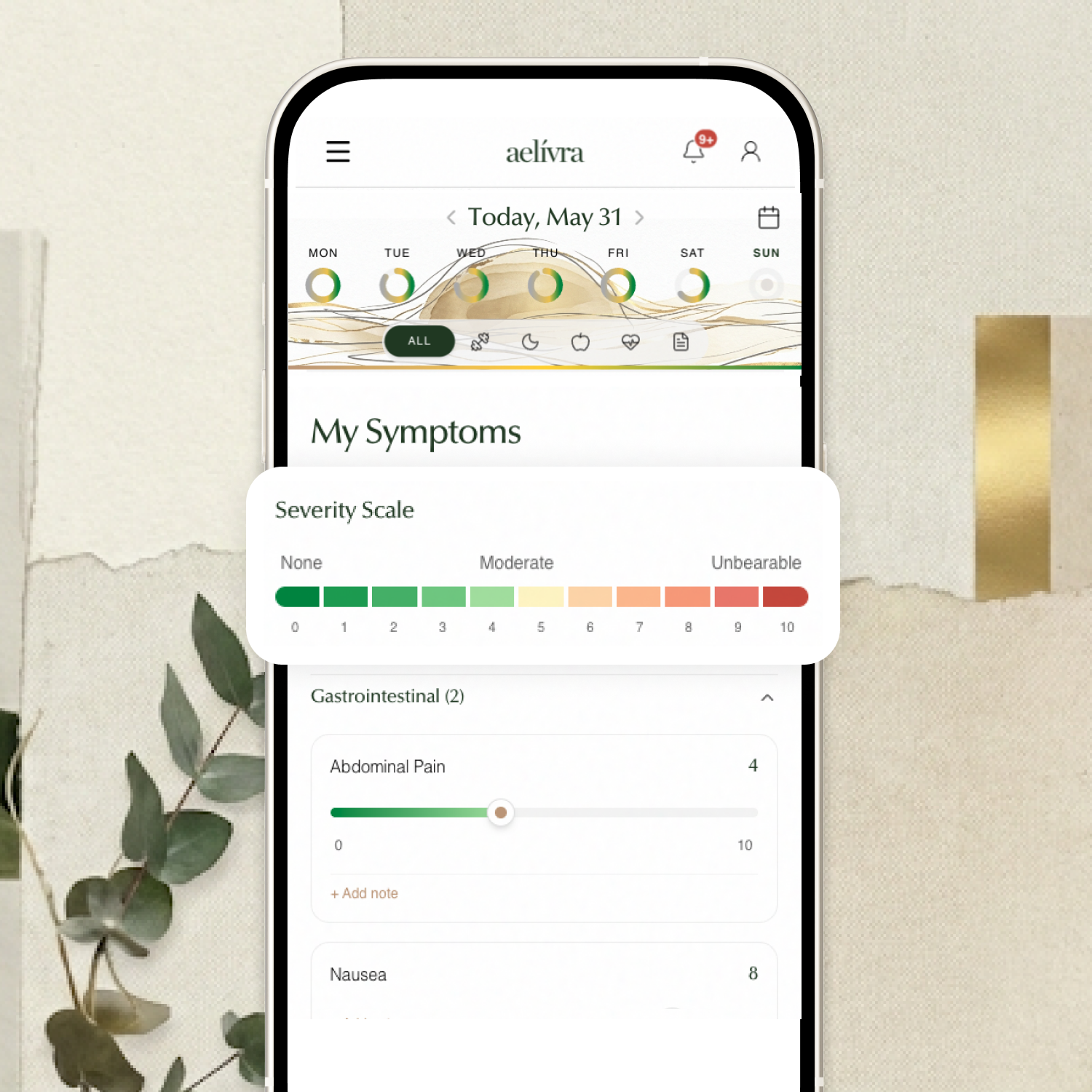
Every check-in brings you closer to answers. Effortlessly build a clear picture of energy, mood, pain, and sleep over time — so you can see exactly what's improving, what's not, and feel confident you're doing the right things to feel better.
Frequently Asked Questions About Long COVID Pacing
What is the most effective way to track Long COVID fatigue?
Tracking symptoms alongside daily activities helps identify hidden energy drains. Noting the severity of fatigue 48 hours after an event reveals the true metabolic cost of everyday exertion.
Why does pushing through the fatigue make Long COVID worse?
Pushing past the energy envelope triggers an inflammatory immune response and mitochondrial dysfunction. This creates severe post-exertional malaise and can permanently lower a person's baseline energy capacity.
Can emotional stress trigger a physical symptom crash?
Yes. Emotional stress consumes significant metabolic energy. Stressful conversations, grief, or anxiety provoke the nervous system. They draw heavily from the same finite energy pool as intense physical exercise.
Sources

Cameron founded aelívra after years of living an unknown no one could answer — navigating chronic health complexity through a medical system that wasn't built for it. That experience became a conviction: everyone deserves to feel truly alive, and no one should have to accept not knowing as a way of life. His work sits at the intersection of data science and functional health and wellbeing, turning the latest trusted medical research across news, health, wearables, biomarkers, and more into advice everyday people can use on their journeys toward feeling better. Every article is grounded in peer-reviewed evidence and linked to its primary source. This content is for informational purposes only and does not replace medical advice.