Summary at a glance
A 2026 Griffith University study confirms faulty TRPM3 ion channels as a consistent biological marker for ME/CFS.
These impaired cellular gates act like stuck doors, preventing the calcium transport necessary for cellular energy production.
The discovery provides physical proof for profound exhaustion and differentiates ME/CFS from psychological burnout.
Understanding this structural cellular limit is crucial for effective pacing and tracking physical exertion triggers.
This article discusses emerging 2026 research on ion channel dysfunction and TRPM3 signaling in Myalgic Encephalomyelitis/Chronic Fatigue Syndrome (ME/CFS). It is for informational purposes only and does not replace professional medical advice. Always consult a healthcare provider regarding chronic fatigue symptoms or experimental therapies like low-dose naltrexone.
What did the 2026 Griffith University study discover about ME/CFS?
Griffith University published a breakthrough study in 2026 confirming that TRPM3 ion channel dysfunction is a primary biological marker for ME/CFS. This research proves that a consistent cellular flaw impairs calcium signaling, providing long-awaited physical evidence for the disease’s debilitating fatigue news.griffith.edu.au.
"The TRPM3 ion channel was faulty in immune cells from people with ME/CFS," notes Professor Sonya Marshall-Gradisnik, Director and senior author of the National Centre for Neuroimmunology and Emerging Diseases at Griffith University news.griffith.edu.au.
According to PubMed (2026), the investigation clearly demonstrated significant reductions in cell function when comparing 36 ME/CFS participants against 42 healthy controls pubmed.ncbi.nlm.nih.gov. Griffith University (2026) reports that this breakthrough brings biological validation to the hundreds of thousands of Australians currently living with the condition news.griffith.edu.au.
The 2026 study isolates a specific structural flaw in patient cells, firmly establishing ME/CFS as a biological rather than psychological condition.
How does TRPM3 ion channel dysfunction cause cellular energy failure?
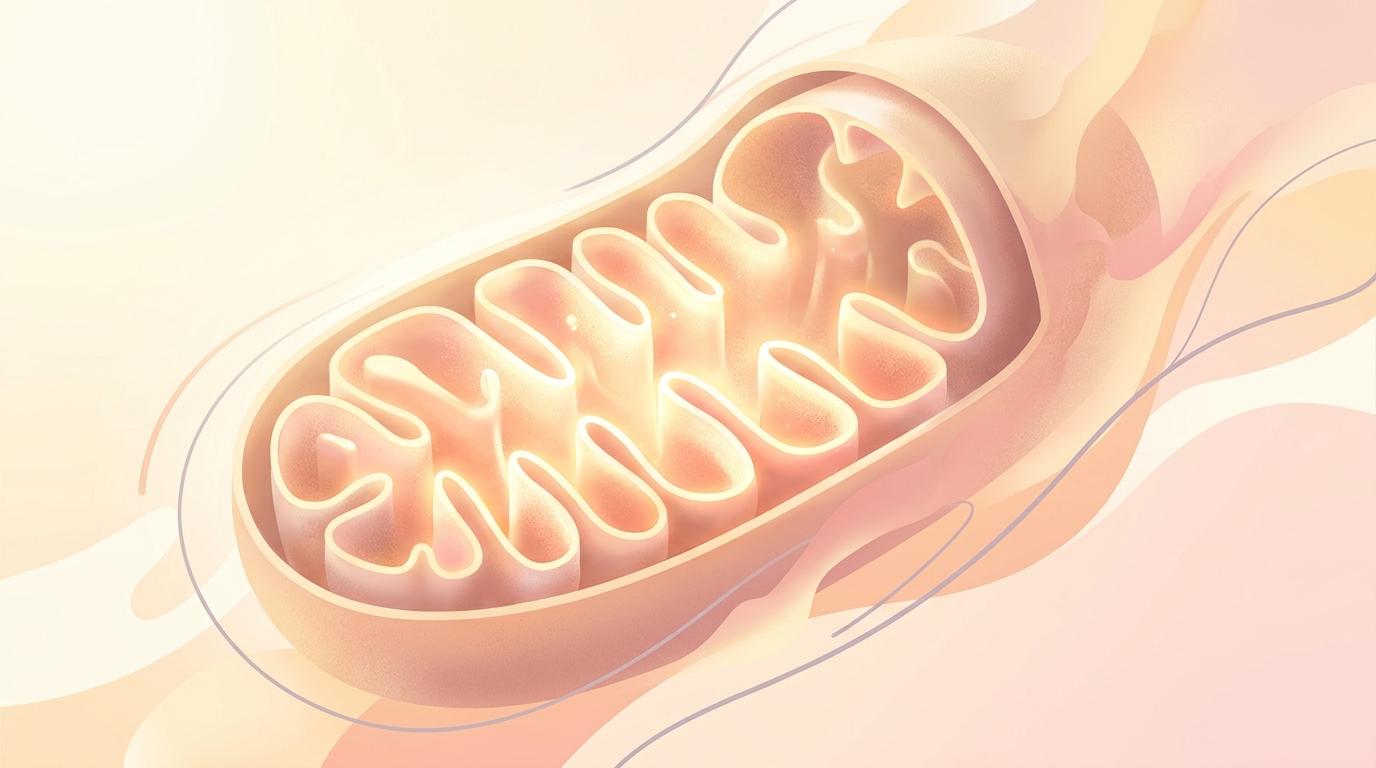
Ion channels operate as microscopic gates on the surface of your cells. They control how essential minerals move back and forth. In people with ME/CFS, the TRPM3 channel specifically mismanages calcium flow frontiersin.org.
When these channels malfunction, they act like stuck doors that block calcium from entering the cell news.griffith.edu.au. Without proper calcium levels, mitochondria cannot generate energy. The body simply runs out of fuel at a cellular level, turning minor physical exertion into a systemic crash.
| Cellular Component | Healthy Function | ME/CFS Function |
|---|---|---|
| TRPM3 Ion Channel | Opens and closes normally | Impaired or physically stuck |
| Calcium Signaling | Efficient and rapid | Deficient and sluggish pubmed.ncbi.nlm.nih.gov |
| Mitochondrial Output | Normal energy production | Low energy generation |
| Cellular Structure | Intact | Consistently faulty ammes.org |
 Microscopic view representing ion channels and cellular calcium flow
Why does understanding ion channels change how you track symptoms?
Recognizing that fatigue stems from a structural cellular limit completely shifts the approach to daily management. Pushing through exhaustion drains an already empty cellular battery.
aelívra helps you map these specific energy limits by connecting physical exertion and daily routines to your symptom crashes. Instead of just logging tiredness, you track the exact patterns that trigger cellular fatigue. This data becomes vital when implementing strategies like Effective Pacing Protocols for Long COVID Recovery.
PLOS One (2025) reports that patients aged between 18 and 65 years with ME/CFS experience a severe and sustained illness burden over time journals.plos.org. Seeing the biological reality behind this burden makes it easier to differentiate real physiological crashes from general exhaustion. This distinction is heavily highlighted in our guide on Chronic Fatigue Syndrome vs Burnout.
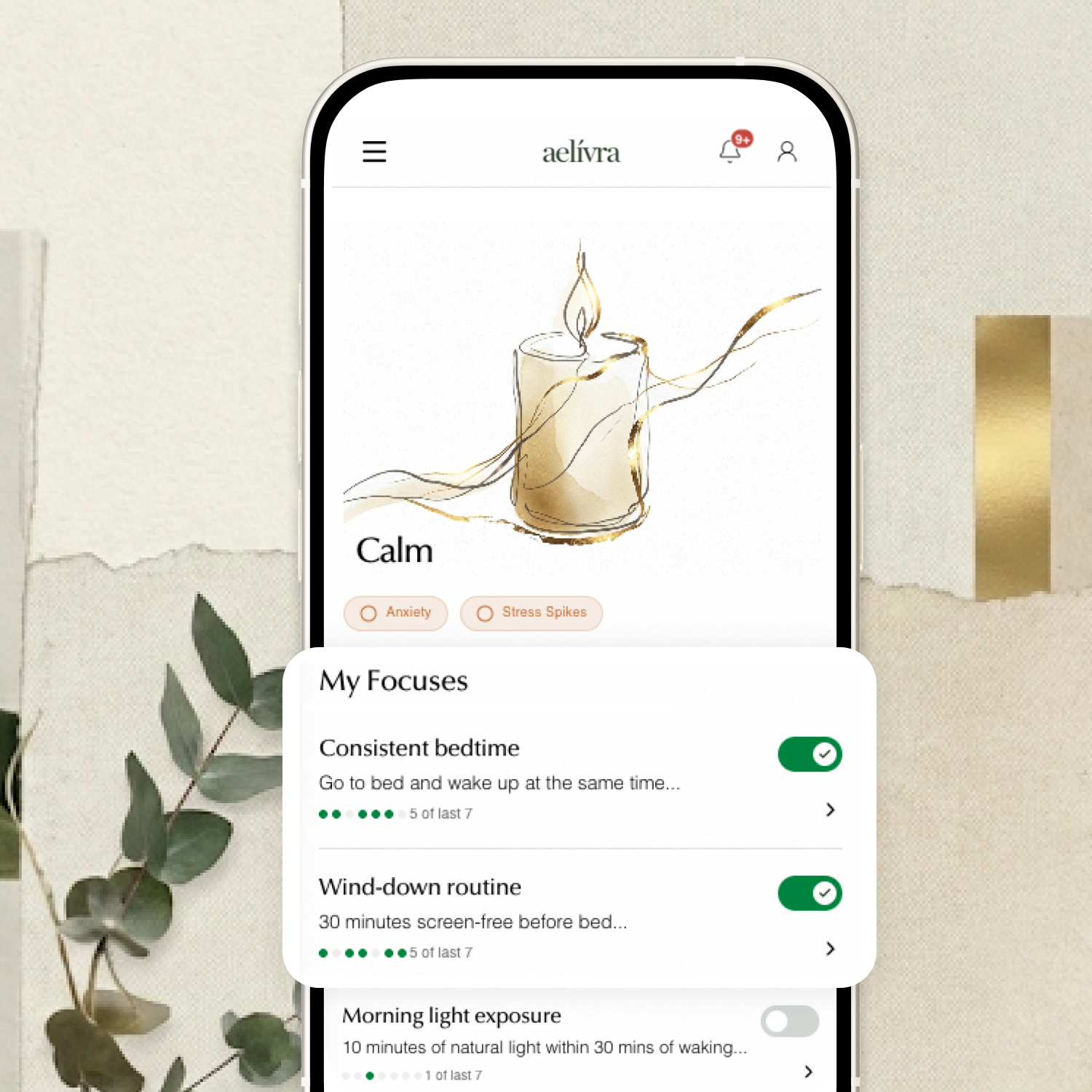
Uncover what you've been searching for. aelívra guides you through wellbeing explorations across sleep, diet, stress, symptoms and more so you can finally act on what's actually going on, one day at a time, every step at your own pace.
Can medications or tests fix faulty cellular gates?
As researchers uncover the mechanical failures behind ME/CFS, patients naturally have questions about testing and treatment options moving forward.
Can you test for faulty ion channels in a regular clinic?
Not yet. Currently, TRPM3 testing requires specialized research settings. However, this 2026 discovery is the first critical step toward developing a standard diagnostic blood test inclusivefutures.griffith.edu.au.
Does TRPM3 research explain why physical exertion causes crashes?
Yes. Because faulty ion channels prevent cells from receiving calcium, the body cannot produce enough energy to sustain muscle movement or immune responses during exertion news.griffith.edu.au.
Are there treatments available right now?
Researchers are actively investigating existing medications. The LDN Research Trust (2026) notes that low-dose naltrexone may have a potential therapeutic effect on the TRPM3 ion channel, though clinical trials are still ongoing ldnresearchtrust.org.
Bring recent research summaries to your medical appointments to help your healthcare provider understand the biological mechanisms behind your symptoms.
Sources

Cameron founded aelívra after years of living an unknown no one could answer — navigating chronic health complexity through a medical system that wasn't built for it. That experience became a conviction: everyone deserves to feel truly alive, and no one should have to accept not knowing as a way of life. His work sits at the intersection of data science and functional health and wellbeing, turning the latest trusted medical research across news, health, wearables, biomarkers, and more into advice everyday people can use on their journeys toward feeling better. Every article is grounded in peer-reviewed evidence and linked to its primary source. This content is for informational purposes only and does not replace medical advice.