Summary at a glance
A 2026 Nature Medicine study shows that a 15-strain lab-grown therapy (MTC01) rivals traditional fecal transplants for recurrent C. difficile infections.
Engineered microbial consortia remove the need for healthy stool donors and standardise the treatment of gut dysbiosis.
Clinical trial results confirm that defined bacterial therapies carry a safety profile matching same-donor fecal microbiota transplantation.
Targeted treatments allow patients to track specific gut recovery markers rather than relying on the biological variables of human donors.
The information provided is for educational purposes regarding clinical research and does not constitute medical advice. Treatment for recurrent Clostridioides difficile (C. diff) or severe gut dysbiosis should always be managed by a qualified healthcare professional. Do not attempt microbiome therapy outside of a regulated clinical setting.
What is defined microbiome therapy and how does it differ from FMT?
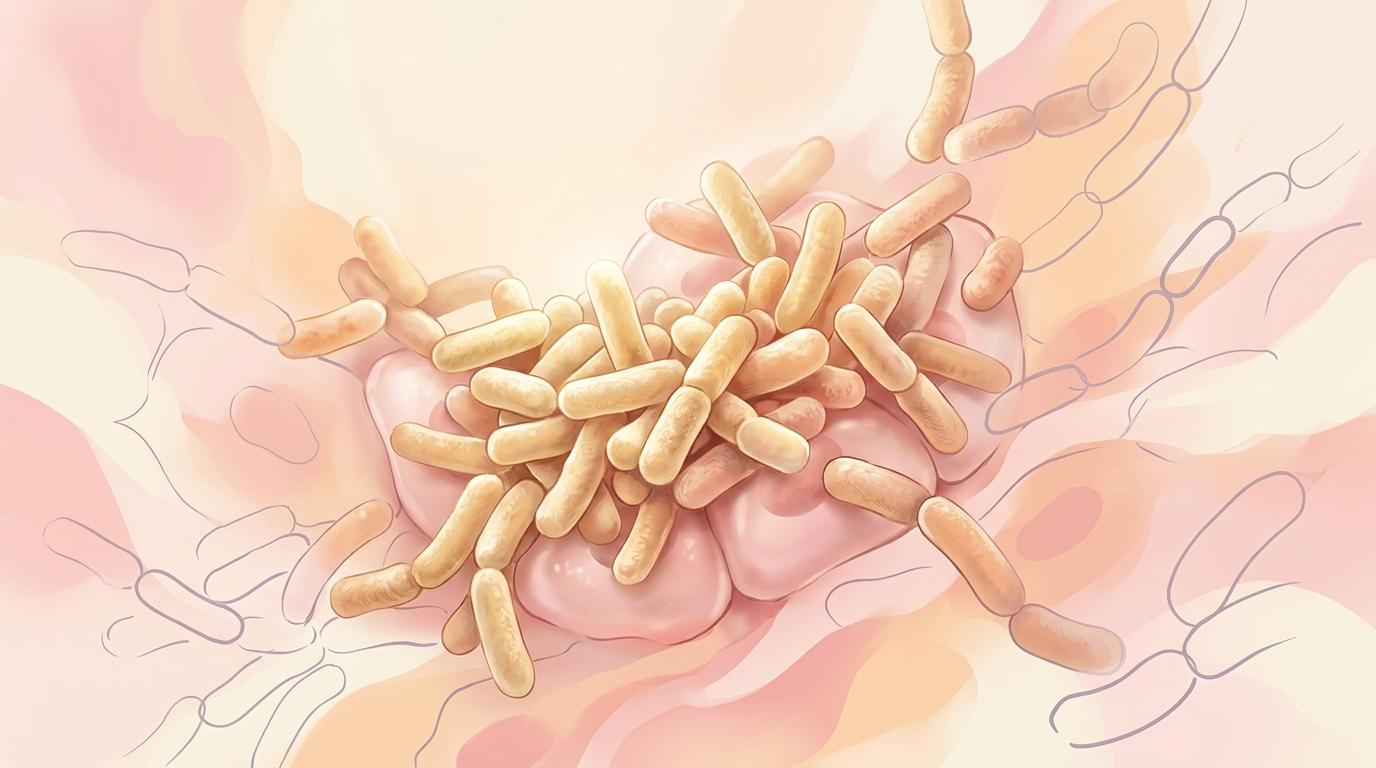
In June 2026, Nature Medicine published a groundbreaking trial showing that a lab-grown 15-strain microbial cocktail (MTC01) safely treats recurrent Clostridioides difficile pubmed.ncbi.nlm.nih.gov. This defined microbiome therapy replaces variable, donor-dependent fecal microbiota transplants (FMT) with a standardized biotherapeutic that delivers exact bacterial strains.
Mount Sinai researchers designed MTC01 to replicate the healing effects of FMT without the logistical hurdles (link unavailable). Traditional transplants rely entirely on healthy human donors. The screening process is intensive. Supply often falls short of patient demand.
This new approach engineers human-grade live biotherapeutic products in a controlled environment pubmed.ncbi.nlm.nih.gov. The researchers successfully shifted the process from a variable biological transfer to a precise pharmaceutical science.
Defined microbiome therapies use specific, known strains of bacteria cultivated in a lab, entirely eliminating the risk of transmitting unknown pathogens from donor stool.
What are the clinical results of the 2026 Mount Sinai MTC01 trial?
The Phase 1b clinical trial demonstrated that the 15-strain MTC01 therapy meets primary safety outcomes while matching the engraftment success of traditional fecal transplants.
The 2026 study evaluated 18 of 20 screened patients randomized to receive either the MTC01 consortium or a same-donor FMT pubmed.ncbi.nlm.nih.gov. The trial focused specifically on patients suffering from recurrent C. difficile infections (link unavailable).
According to a 2026 publication in PubMed, researchers recorded exactly 10 adverse events across eight patients during the trial pubmed.ncbi.nlm.nih.gov. These events were evenly distributed, with five occurrences in the MTC01 group and five in the FMT group pubmed.ncbi.nlm.nih.gov.
Jeremiah J. Faith from the Department of Immunology and Immunotherapy at Mount Sinai notes that an accessible platform to produce human-grade therapies accelerates development pubmed.ncbi.nlm.nih.gov. This precision helps researchers separate the specific causes of digestive distress, moving beyond basic diagnostic questions like allergy vs sensitivity vs intolerance.
| Feature | Traditional FMT | Defined Therapy (MTC01) |
|---|---|---|
| Composition | Undefined and variable | 15 specific strains |
| Sourcing | Human stool donors | Laboratory fermentation |
| Scalability | Low | High |
| Safety Profile | Low risk of unknown pathogens | Highly controlled |
 Clinical laboratory setting for microbiome therapy testing
Why does a precise bacterial therapy matter for long-term gut tracking?
A defined microbiome therapy allows doctors and patients to measure exact microbial changes over time. It transforms gut health from a biological guessing game into a trackable recovery timeline.
When patients receive a traditional fecal transplant, they ingest thousands of unknown bacterial strains. This makes it impossible to know exactly which microbes resolved their symptoms. MTC01 delivers just 15 known strains pubmed.ncbi.nlm.nih.gov.
This shift matters deeply for people mapping their symptoms against sleep, diet, and stress. If you know exactly what bacteria entered your system, you can connect specific improvements in your daytime energy to the therapy. aelívra helps you track symptoms with context — not just daily pain scores, but the patterns connecting sleep, stress, diet, and energy. Bring your aelívra summary to your next appointment.
This contextual tracking aligns perfectly with the emergence of specific gut bacteria health marker CAG 170 ageing microbiome 2026 profiles. A defined therapy allows precise targeting rather than hoping a donor sample contains the right mix.
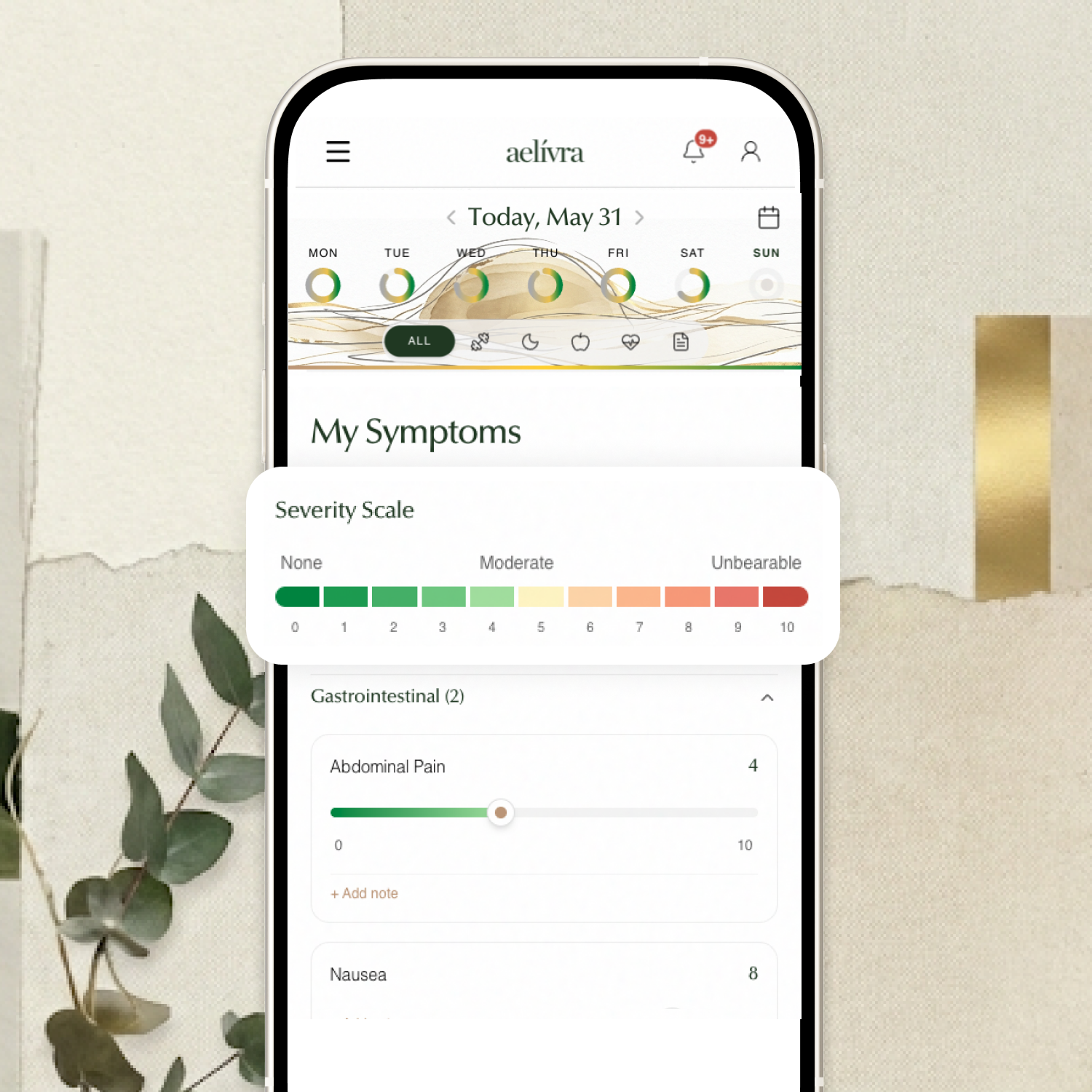
Every check-in brings you closer to answers. Effortlessly build a clear picture of energy, mood, pain, and sleep over time — so you can see exactly what's improving, what's not, and feel confident you're doing the right things to feel better.
What are the most common questions about defined microbiome therapy?
Can MTC01 effectively stop recurrent C. difficile infections?
Yes. The 2026 randomized phase 1b trial proved that the 15-strain MTC01 cocktail colonizes the gut just as effectively as a full donor transplant pubmed.ncbi.nlm.nih.gov. It restores the microbial balance necessary to prevent the infection from returning.
Is lab-grown gut bacteria safer than donor stool?
It carries a comparable safety profile but eliminates the rare risk of transferring hidden donor pathogens (link unavailable). The therapy provides a perfectly standardized dose every time.
How does this differ from over-the-counter probiotics?
Standard probiotics are dietary supplements that rarely colonize the gut long-term. MTC01 is an engineered live biotherapeutic designed specifically to engraft and rebuild a severely damaged microbiome pubmed.ncbi.nlm.nih.gov.
If you struggle with chronic digestive issues, ask your gastroenterologist about ongoing clinical trials for targeted microbiome therapies.
Sources
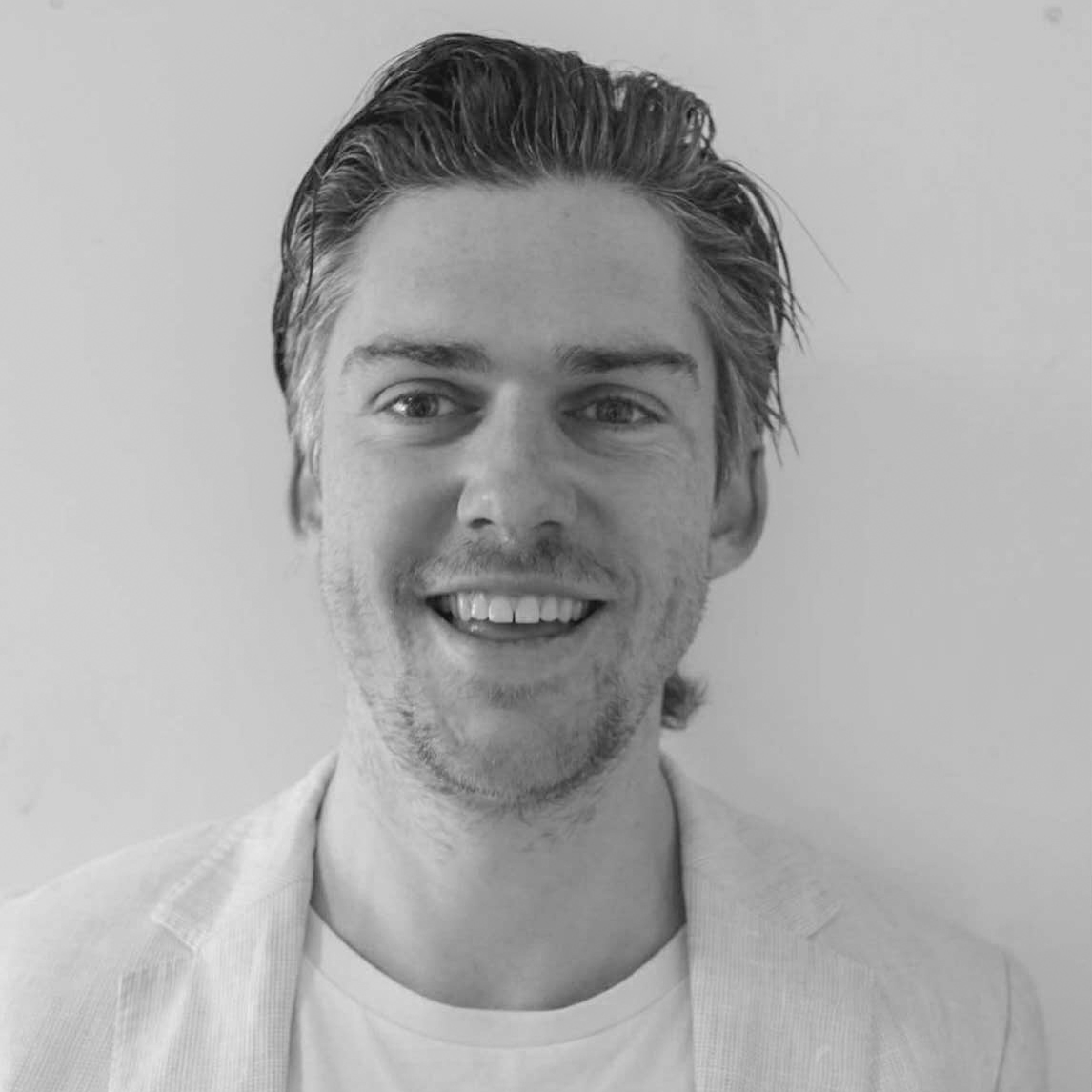
Cameron founded aelívra after years of living an unknown no one could answer — navigating chronic health complexity through a medical system that wasn't built for it. That experience became a conviction: everyone deserves to feel truly alive, and no one should have to accept not knowing as a way of life. His work sits at the intersection of data science and functional health and wellbeing, turning the latest trusted medical research across news, health, wearables, biomarkers, and more into advice everyday people can use on their journeys toward feeling better. Every article is grounded in peer-reviewed evidence and linked to its primary source. This content is for informational purposes only and does not replace medical advice.