Summary at a glance
A groundbreaking 2026 study reveals that sleep deprivation physically alters the gut microbiome, weakening the immune system's ability to fight disease.
Chronic sleep loss stops gut bacteria from producing indole-3-propionic acid (IPA), a crucial metabolite that suppresses tumor growth.
Just 24 hours of sleep deprivation spikes blood inflammatory markers to levels resembling clinical obesity.
The relationship is bidirectional, meaning a diverse microbiome naturally produces neurotransmitters that improve your overall sleep quality.
This article discusses recent 2026 research on the gut microbiome, sleep deprivation, and immune function, including studies on cancer progression. It is for informational purposes only and is not a substitute for professional medical advice, diagnosis, or treatment for chronic sleep disorders or oncological conditions.
What Happened to Gut Health Research in 2026?
In April 2026, the University of Florida Health Cancer Center revealed that sleep deprivation physically alters the gut microbiome and disrupts the immune system ecancer.org. The landmark research shows chronic sleep loss depletes crucial tumor-suppressing metabolites, fundamentally changing how the body fights disease eurekalert.org.
Graduate researcher Maria Hernandez and Dr. Christian Jobin discovered that changes in the microbiota promote cancer progression and weaken the immune system ecancer.org. Sleep acts as the primary architect for immune defense. When you lose sleep, the protective bacteria in your digestive tract stop behaving normally.
How Does Lack of Sleep Change Your Gut Bacteria?
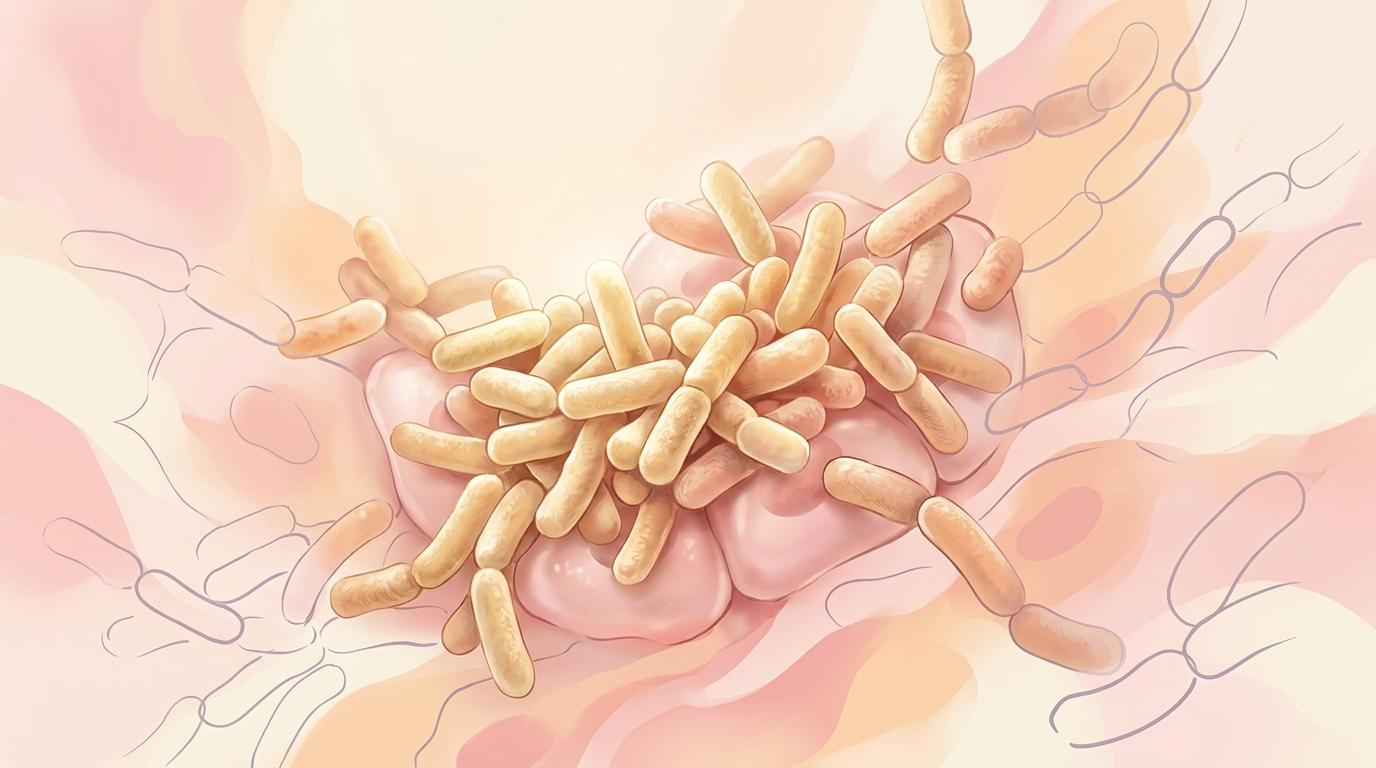
Sleep loss disrupts the diurnal rhythm of your gut bacteria, completely throwing off their natural 24-hour cycle. Just as your brain needs rest, the microbes in your digestive tract rely on sleep to repair tissue and process nutrients.
When sleep is interrupted, the composition of these bacteria shifts dangerously. A 2025 study from the University of Virginia found that sleep deprivation fundamentally disrupts the diurnal rhythmicity of intestinal microbiota pubmed.ncbi.nlm.nih.gov. This disruption causes a sudden rise in inflammatory cytokines in the blood.
| State | Gut Microbiome Activity | Immune System Impact |
|---|---|---|
| Rested | High production of anti-inflammatory metabolites | Active tumor suppression and tissue repair |
| Sleep-Deprived | Disrupted 24-hour diurnal rhythmicity | Weakened response and rapid systemic inflammation |
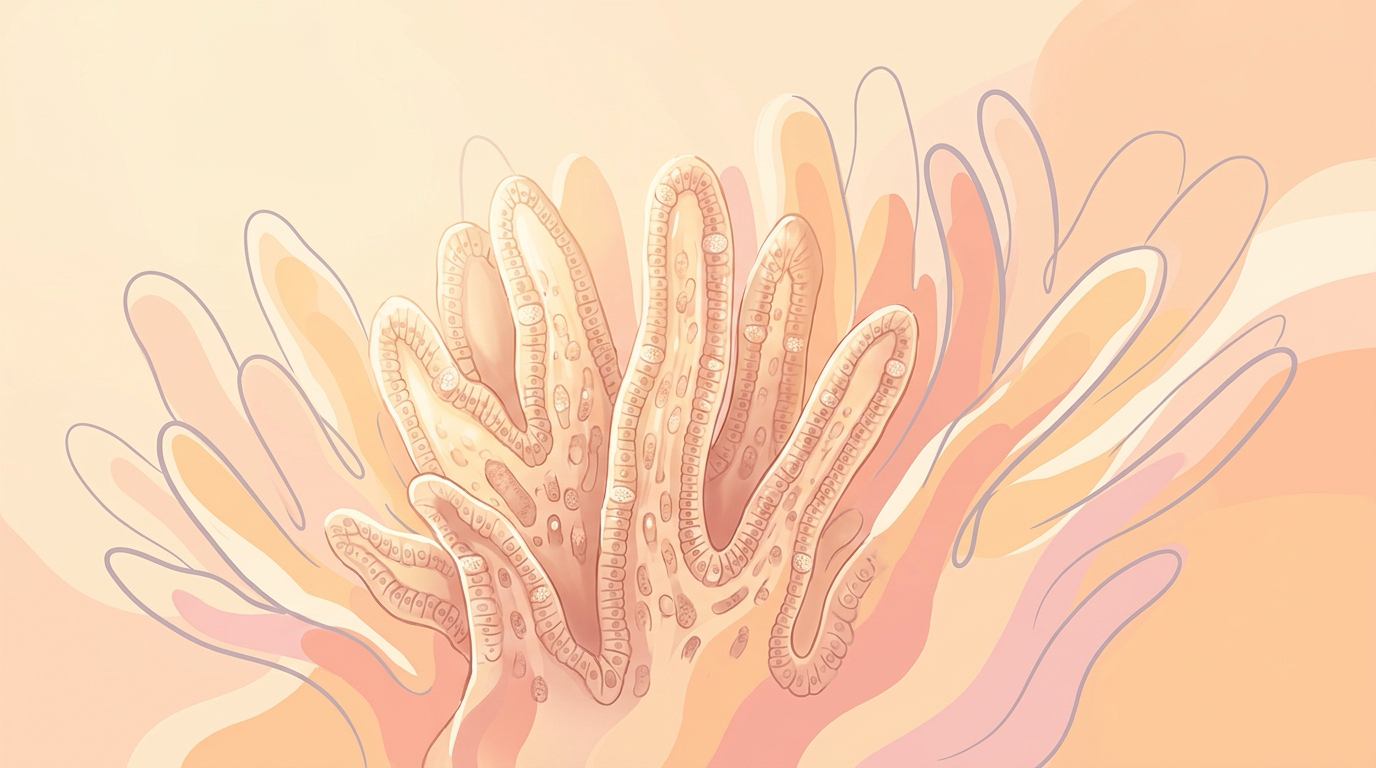
 A scientific representation of diurnal rhythms affecting cellular biomarker activity in the gut.
Can One Night of Poor Sleep Trigger Inflammation?
Yes, a single night of missed sleep immediately spikes inflammatory markers in your bloodstream. Your immune system treats sudden sleep loss as an acute biological stressor, reacting exactly as it would to a physical injury.
A 2025 study led by Dr. Fatema Al-Rashed involving 237 healthy adults demonstrated that just 24 hours of sleep deprivation alters the immune cell profile (link unavailable). The resulting profile resembles that of someone with clinical obesity (link unavailable).
This rapid rise in inflammation makes your digestive system highly reactive. It often makes determining the difference between an allergy vs sensitivity vs intolerance incredibly difficult, as the entire immune system stays on high alert.
If you experience a sudden flare in food sensitivities, evaluate your sleep quality over the past 48 hours before drastically restricting your diet.
Why Is Indole-3-Propionic Acid (IPA) Disappearing?
Sleep deprivation stops your gut bacteria from producing indole-3-propionic acid (IPA), a critical chemical that normally prevents tumor growth. Without adequate rest, your body loses this natural defense mechanism against cellular damage eurekalert.org.
The 2026 UF Health Cancer Center data shows that this specific metabolic failure accelerates disease ecancer.org. Colorectal cancer is now the deadliest cancer in people younger than 50 in the United States, making this discovery vital ecancer.org.
When the microbiome stops producing IPA, the resulting inflammation creates a ripple effect. This connects directly to The Gut-Brain Axis: How Microbiome Imbalance Causes Brain Fog, as the loss of protective metabolites impairs cognitive function alongside local immunity.
Indole-3-propionic acid (IPA) is a potent antioxidant produced entirely by gut bacteria, and its production drops significantly during periods of sleep deprivation.
Why Should You Track Your Sleep and Gut Symptoms Together?
Tracking your sleep alongside digestive symptoms reveals the hidden triggers behind your daily inflammation. A poor gut day is rarely just about what you ate for dinner. It is often the direct biological consequence of how you slept the night before.
aelívra helps you find the answers by mapping these invisible connections. It connects your sleep quality to your daytime energy and digestive symptoms. By showing you the exact patterns between your rest and your physical reactions, you can finally walk into appointments with answers and address the root cause of your fatigue.
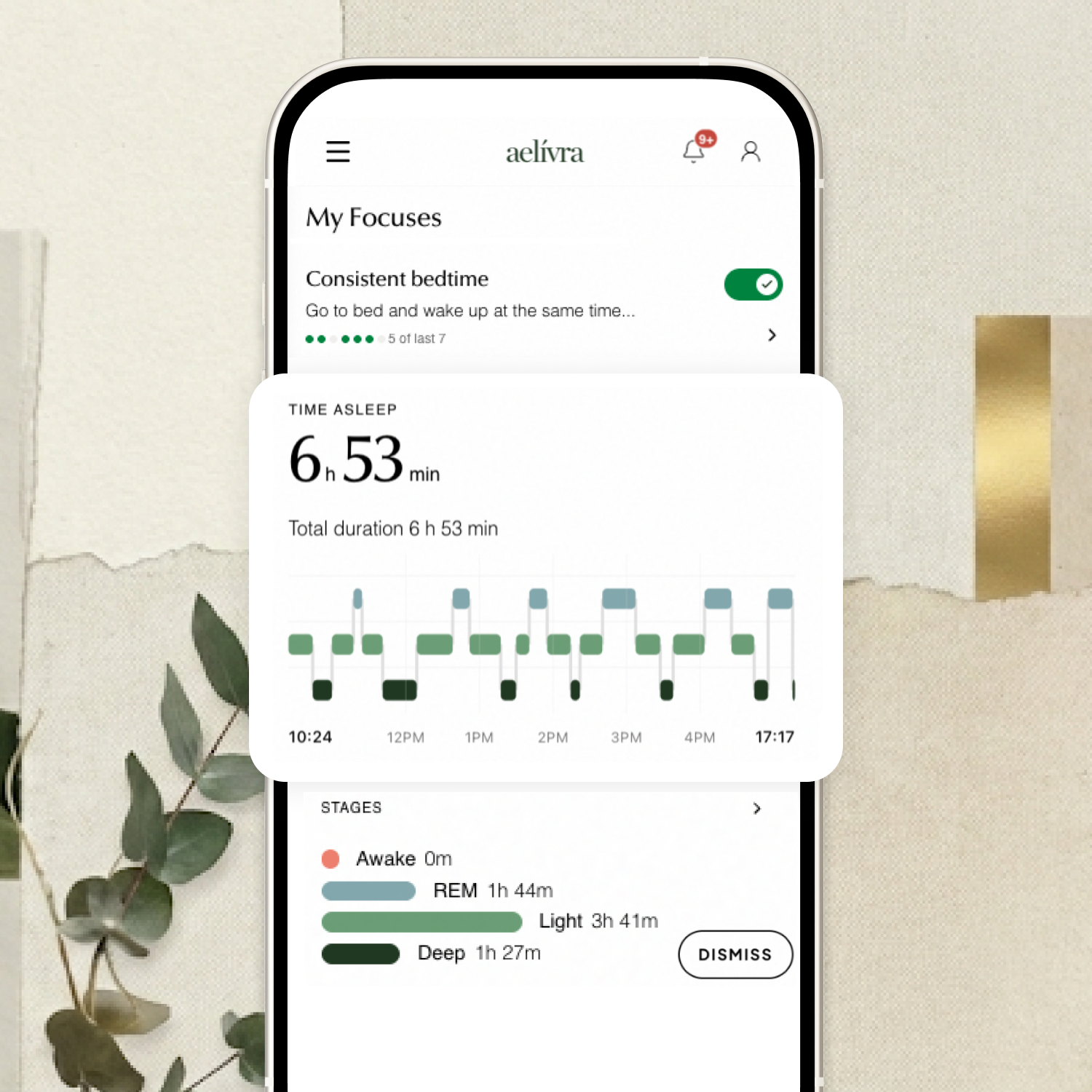
Get the rest you've always deserved. aelívra connects your sleep quality to your daytime energy, mood, and symptoms — then gives you practical steps based on your own patterns so you can finally get restorative rest, not just hours in bed.
Frequently Asked Questions
Does poor sleep change my immune system immediately?
Yes. Researchers in 2025 found that just 24 hours of sleep deprivation significantly alters immune cells and increases blood inflammation (link unavailable).
How does sleep affect cancer risk?
Chronic sleep loss stops your gut from producing key tumor-suppressing chemicals, which 2026 research links to worsened colorectal cancer outcomes ecancer.org.
Can my microbiome influence how well I sleep?
Yes. The relationship is bidirectional. A healthy, diverse microbiome produces neurotransmitters that improve sleep efficiency and total sleep time asm.org.

Cameron founded aelívra after years of living an unknown no one could answer — navigating chronic health complexity through a medical system that wasn't built for it. That experience became a conviction: everyone deserves to feel truly alive, and no one should have to accept not knowing as a way of life. His work sits at the intersection of data science and functional health and wellbeing, turning the latest trusted medical research across news, health, wearables, biomarkers, and more into advice everyday people can use on their journeys toward feeling better. Every article is grounded in peer-reviewed evidence and linked to its primary source. This content is for informational purposes only and does not replace medical advice.