
Summary at a glance
A 2026 BMJ Medicine meta-analysis shows that early time-restricted eating outperforms late-day eating for metabolic health.
Ending the daily eating window before 5:00 PM consistently reduces fasting insulin concentrations and lowers overall body weight.
The timing of meals against daylight hours matters more for insulin sensitivity than the total duration of the fast.
This article discusses nutritional timing, fasting, and metabolic markers including fasting insulin. It is for informational purposes only and does not constitute medical advice. Consult a healthcare provider before altering dietary routines, particularly for those managing blood sugar conditions.
Is a Morning Eating Window Better for Fasting Insulin?
A morning eating window is significantly better for fasting insulin than an evening window, according to a 2026 meta-analysis published in BMJ Medicine pubmed.ncbi.nlm.nih.gov. The study reveals that stopping food intake before 5:00 PM consistently reduces fasting insulin concentrations and improves metabolic health compared to eating later in the day.
Researchers at National Taiwan University found that early time-restricted eating consistently outperforms late eating windows for metabolic health metrics.
What Did the 2026 BMJ Medicine Study Discover About Meal Timing?
The National Library of Medicine (2026) reports that a network meta-analysis of 41 randomised controlled trials involving 2,287 participants evaluated different time-restricted eating patterns pubmed.ncbi.nlm.nih.gov.
Researchers examined how meal timing influences body composition and blood glucose control. Chen YE, a researcher at the Institute of Epidemiology and Preventive Medicine at National Taiwan University, led the investigation pubmed.ncbi.nlm.nih.gov.
The data indicates that an early time-restricted eating schedule reduces fasting insulin by an average of -3.32 μIU/ml pubmed.ncbi.nlm.nih.gov.
| Eating Window | Impact on Fasting Insulin | Impact on Body Weight |
|---|---|---|
| Early (Ends before 17:00) | -3.32 μIU/ml reduction | -1.15 kg reduction |
| Late (Ends after 17:00) | Less effective | Less effective |
This approach also produced measurable improvements in waist circumference and systolic blood pressure. Almost 90% of the included studies demonstrated a low risk of bias, ensuring high confidence in these metabolic outcomes pubmed.ncbi.nlm.nih.gov.
 Clinical data on a digital tablet screen
Does the Length of a Fast Matter as Much as the Timing?
For years, nutrition advice focused entirely on how long a fast lasted. People often assumed that squeezing meals into a narrow six-hour block mattered most.
The 2026 findings shift this perspective entirely.
The analysis demonstrated that the duration of the eating window matters less than its alignment with daytime hours pubmed.ncbi.nlm.nih.gov. Eating for eight hours early in the day proved more beneficial for insulin sensitivity than eating for six hours late at night.
This timing works directly with natural circadian rhythms. The body processes glucose more efficiently during daylight hours. When meals shift into the evening, insulin sensitivity naturally drops, making blood sugar regulation harder.
Understanding the best intermittent fasting for weight loss requires looking beyond basic calorie restriction.
The body processes glucose far more efficiently during daylight hours due to intrinsic circadian rhythms.
Why Tracking Metabolism Contextualises Dietary Choices
Adopting an early eating window requires adjusting daily routines and social habits. Tracking energy levels alongside meal times helps people see exactly how these changes affect everyday vitality.
Many people experience tracking fatigue. Reading about the wellness tracking optimisation backlash fatigue 2026 highlights the importance of tracking context rather than just raw numbers.
Connecting a wearable device can illuminate the relationship between meal timing, resting heart rate, and overnight recovery. Seeing personal data align with clinical research makes maintaining an early eating window much more sustainable.
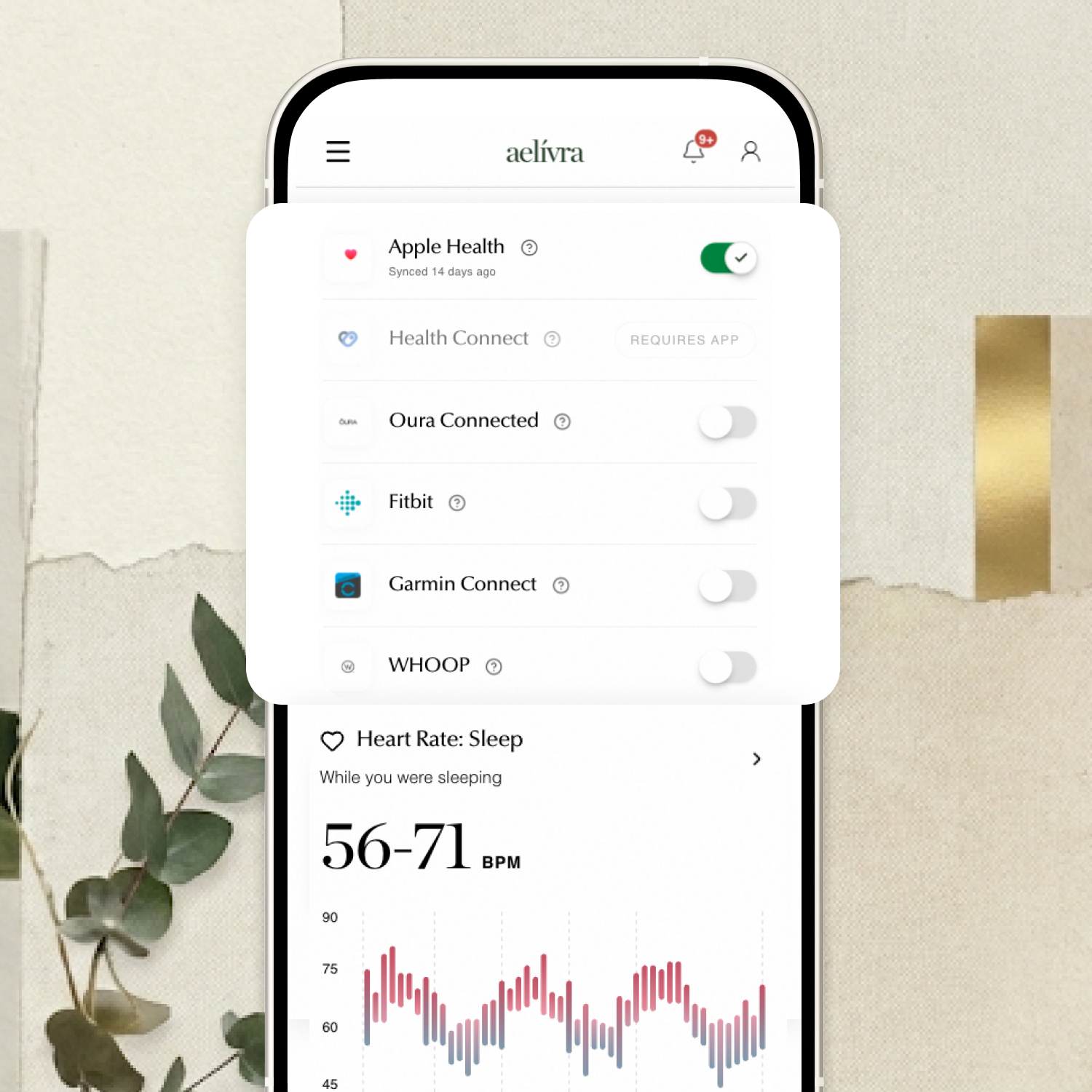
Make the most of your wearables. HRV, resting heart rate, and sleep stages can finally mean something. aelívra connects 500+ wearables and apps (Oura, Apple Health, Garmin, Fitbit, Whoop) and maps that data directly against how you actually feel — your syptoms and your wellbeing first, always.
Frequently Asked Questions About Morning Eating Windows
What defines an early eating window? An early eating window typically means consuming the final meal of the day before 5:00 PM. This schedule aligns nutrient intake with peak daytime metabolic function.
Does early time-restricted eating reduce body mass index? Yes, concluding meals earlier in the day significantly decreases overall body weight and body mass index compared to late-day eating patterns pubmed.ncbi.nlm.nih.gov.
How does meal timing affect fasting insulin? Eating earlier in the day improves insulin sensitivity by matching food intake with natural circadian rhythms. This prevents the nighttime insulin resistance that often follows late dinners.

Cameron founded aelívra after years of living an unknown no one could answer — navigating chronic health complexity through a medical system that wasn't built for it. That experience became a conviction: everyone deserves to feel truly alive, and no one should have to accept not knowing as a way of life. His work sits at the intersection of data science and functional health and wellbeing, turning the latest trusted medical research across news, health, wearables, biomarkers, and more into advice everyday people can use on their journeys toward feeling better. Every article is grounded in peer-reviewed evidence and linked to its primary source. This content is for informational purposes only and does not replace medical advice.