
Summary at a glance
A 2026 study found that the body undergoes a major protein shift only after 72 hours of fasting.
ScienceDaily reports that roughly 3,000 proteins change during this window, affecting both brain and immune function.
Physiological responses to prolonged fasting are heavily dictated by your individual genetic background and sex.
Tracking your biomarkers helps ensure a multi-day fast is actually improving your health rather than causing excess stress.
This article discusses recent 2026 research on the molecular effects of prolonged fasting. Multi-day fasting carries significant physiological risks, particularly concerning blood glucose stability, immunity, and metabolic stress. It is not suitable for everyone. Do not attempt a prolonged fast if you have a history of eating disorders, are pregnant, or manage a chronic condition without direct medical supervision.
What Happens to Your Proteins After 3 Days of Fasting?
A 2026 study by Queen Mary University of London reveals that the body undergoes a major molecular shift after 72 hours of fasting. While fat burning starts early, changes in roughly 3,000 systemic proteins only activate after three full days without food.
ScienceDaily (2026) reports that these significant systemic changes affect major organs, including the brain sciencedaily.com. The researchers observed that the body remains relatively stable for the first two days. Major molecular shifts and deep repair processes hold off until the 72-hour mark is reached sciencedaily.com.
Avoid breaking a 72-hour fast with heavy meals. Your digestive proteins require a slow reintroduction to solid food after this deep metabolic shift.
Why Is the 72-Hour Mark Considered the 'Molecular Threshold'?
The transition from eating to fasting forces the body to switch energy sources. During the first two days, metabolism shifts from burning glucose to burning stored fat.
The true systemic reset happens much later.
Dr. ML Steinhauser from the Division of Cardiovascular Medicine at the University of Pittsburgh School of Medicine (2026) states that humans possess evolved adaptive mechanisms enabling survival with zero calories for extended periods pubmed.ncbi.nlm.nih.gov. This evolutionary trait allows the body to safely transition into deep cellular repair.
A 2026 review in Current Nutrition Reports indicates that diverse fasting patterns activate specific energy-sensing pathways pubmed.ncbi.nlm.nih.gov. The three-day mark acts as a hard boundary for deeper structural changes.
| Fasting Duration | Primary Physiological Shift |
|---|---|
| 12-24 Hours | Early ketogenesis and glycogen depletion pubmed.ncbi.nlm.nih.gov |
| 24-48 Hours | Metabolic switching to fat-derived energy |
| 72+ Hours | Systemic protein remodeling and enhanced autophagy sciencedaily.com |
People exploring the best intermittent fasting for weight loss often ask if shorter fasts offer the same benefits. While 16-hour fasts improve insulin sensitivity, they fail to trigger the massive 3,000-protein structural shift seen at 72 hours sciencedaily.com.
Track your electrolyte intake carefully on day two. Hydration prevents the severe fatigue that often derails people before they reach the 72-hour molecular threshold.
Does Genetic Background Change Your Response to Prolonged Fasting?
Fasting responses are not universal.
The three-day molecular shift occurs in most people. Yet your specific genetic background heavily dictates the exact physiological outcome.
A 2026 study published in Genetics by the Jackson Laboratory demonstrates that physiological responses to fasting are genetically determined pubmed.ncbi.nlm.nih.gov. Researchers found that sex and genetic background directly shape outcomes across metabolic and immunologic domains pubmed.ncbi.nlm.nih.gov.
This means a 72-hour fast might trigger an ideal immune response in one person while causing excess stress in another. The lifespan effects of intermittent fasting are highly sex-specific pubmed.ncbi.nlm.nih.gov. Understanding these biological differences explains why generic fasting advice falls short for so many people.
How Can You Tell If You Have Reached the Metabolic Shift?
Pushing through a three-day fast requires understanding how your specific biology handles the stress. Without monitoring the impact, people often fall victim to wellness tracking optimisation backlash fatigue 2026. Measuring the correct variables prevents unnecessary strain.
aelívra helps you support the biomarkers that matter most by tracking lab results over time. It connects those numbers to how you feel day-to-day. You can tell what is actually improving and make confident decisions about your fasting routine.
Instead of guessing if you have reached a healthy molecular shift, aelívra maps your energy and recovery patterns. You can finally act on what is genuinely going on. Bring these concrete answers into your next medical consultation.
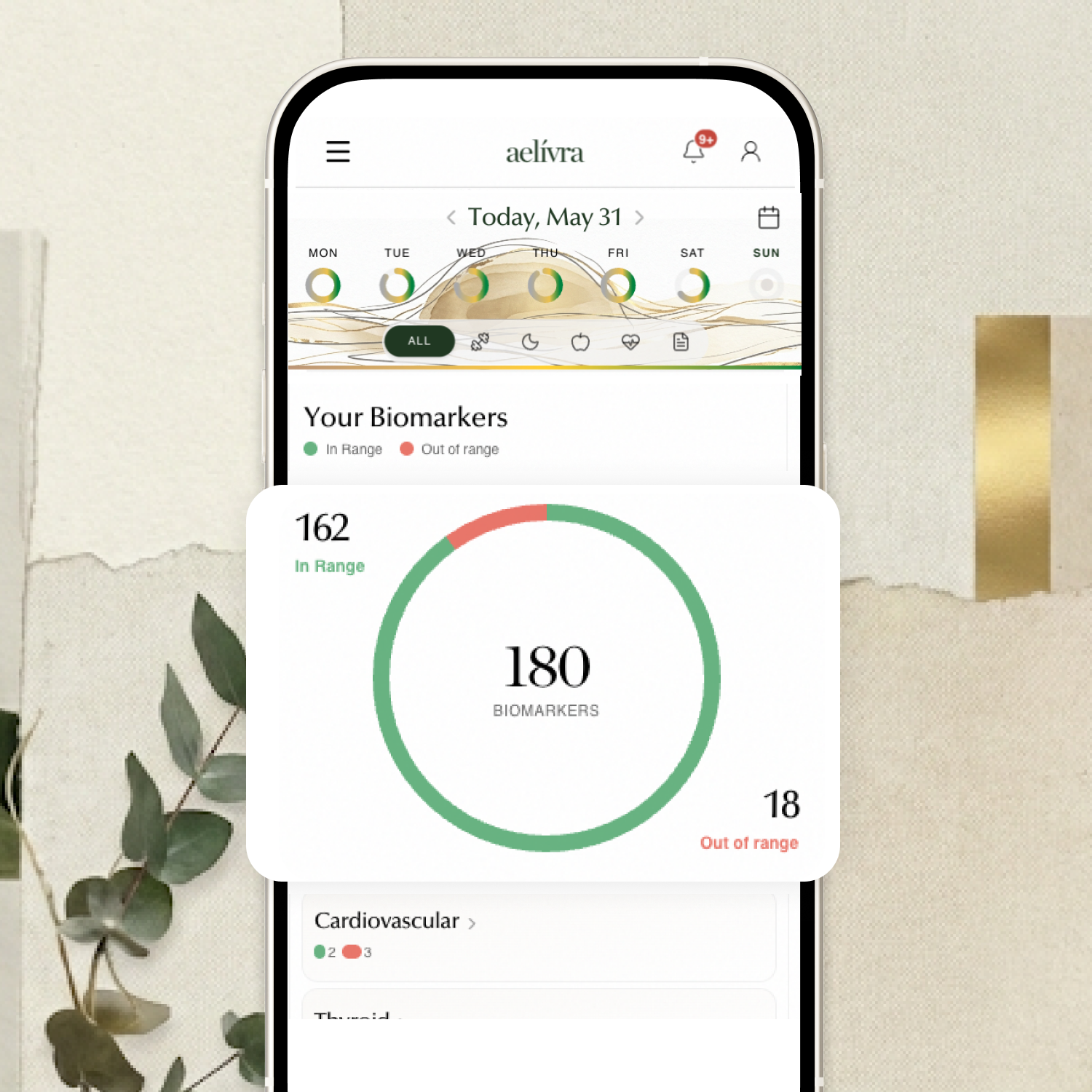
Blood work, scans, test results, medical reports — finally in one place and connected to how you actually feel. aelívra tracks biomarkers and health records over time, so you can see what's trending in the right direction and walk into your next appointment knowing exactly what to discuss.
Frequently Asked Questions About 3-Day Fasting
Is a 72-hour fast safe for everyone?
No. Prolonged or intensive fasting regimens pose serious risks in vulnerable populations pubmed.ncbi.nlm.nih.gov. Medical professionals strongly advise against multi-day fasts for anyone with a history of eating disorders, frailty, or osteoporosis pubmed.ncbi.nlm.nih.gov.
Does intermittent fasting provide the same 3-day molecular benefits?
Intermittent fasting provides excellent metabolic benefits like weight loss and improved insulin sensitivity pubmed.ncbi.nlm.nih.gov. However, the deep systemic remodeling involving thousands of proteins requires the uninterrupted 72-hour threshold sciencedaily.com.
Do men and women respond differently to fasting?
Yes. The Jackson Laboratory (2026) reports that the physiological responses and lifespan effects of fasting are heavily influenced by sex pubmed.ncbi.nlm.nih.gov. Men and women activate different immunologic and metabolic pathways during prolonged calorie restriction.
Sources

Cameron founded aelívra after years of living an unknown no one could answer — navigating chronic health complexity through a medical system that wasn't built for it. That experience became a conviction: everyone deserves to feel truly alive, and no one should have to accept not knowing as a way of life. His work sits at the intersection of data science and functional health and wellbeing, turning the latest trusted medical research across news, health, wearables, biomarkers, and more into advice everyday people can use on their journeys toward feeling better. Every article is grounded in peer-reviewed evidence and linked to its primary source. This content is for informational purposes only and does not replace medical advice.