
Summary at a glance
Intermittent fasting delivers comparable weight loss results to standard daily calorie restriction.
Fasting alters the brain-gut axis, which directly influences cravings and addiction-related eating behaviours.
Long-term reliance on extreme 8-hour eating windows is associated with increased cardiovascular risk.
Preserving lean muscle mass requires deliberate protein timing and resistance training during fed hours.
The information provided is for educational purposes regarding weight management and lifestyle habits. It is not intended as medical advice. Always consult a healthcare professional before starting an intermittent fasting regimen, especially if you have existing metabolic or cardiovascular conditions.
What is Intermittent Fasting and How Does it Work?
Intermittent fasting is an effective weight loss tool, but it does not inherently outperform continuous calorie restriction. Recent clinical data shows that restricting your eating window yields similar fat loss and metabolic improvements as standard daily dieting. The best fasting schedule is simply the one that aligns with your everyday routine.
Is Intermittent Fasting More Effective for Weight Loss Than Standard Dieting?
Intermittent fasting provides no unique metabolic advantage over standard daily calorie reduction. Both approaches result in comparable weight reduction when overall energy intake remains equal.
Top Doctor Magazine (2026) reports that a review of 22 randomized clinical trials involving 1,995 adults found intermittent fasting is no better than standard dieting for weight loss topdoctormagazine.com. The evidence shows that compressing meals into a specific time window does not automatically burn more fat.
Eva Madrid, a Cochrane senior author, notes that doctors will need to take a case-by-case approach when advising an overweight adult on losing weight topdoctormagazine.com. Fasting acts as a behavioural boundary rather than a metabolic shortcut. Limiting eating hours often naturally reduces total food consumption.
Some people find it easier to skip breakfast than to track calories all day. Others prefer eating smaller meals regularly. The biological outcome depends entirely on creating a consistent energy deficit.
 A clear view of daily meal planning and scheduling
Which Intermittent Fasting Schedule Works Best for Body Fat Reduction?
All common intermittent fasting schedules deliver comparable body fat reduction when total food intake is controlled. The most effective method is simply the one that fits your daily routine.
PubMed (2026) reports that an analysis of 167 eligible trials with 11,998 participants found intermittent fasting regimens induced significant weight loss comparable to continuous energy restriction pubmed.ncbi.nlm.nih.gov. No single timing protocol demonstrated clear superiority for fat loss.
| Fasting Method | Schedule Description | Primary Benefit |
|---|---|---|
| 16:8 Method | Fast for 16 hours, eat within an 8-hour window | Fits naturally with skipping breakfast or late dinners |
| 5:2 Diet | Eat normally for 5 days, consume 500-600 calories for 2 days | Allows regular eating habits for most of the week |
| Alternate Day | Fast or eat heavily restricted calories every other day | Creates a significant weekly energy deficit |
| Continuous Restriction | Reduce daily calories by a consistent amount | Provides steady energy levels throughout the day |
Choosing between these methods comes down to hunger management. An aggressive fast might cause severe cravings for one person while providing mental clarity for another. Finding a sustainable rhythm matters more than the specific hours on the clock.
Don't force a fasting schedule that disrupts your sleep. Moving your eating window earlier in the day often improves overnight recovery.
How Does Intermittent Fasting Change Your Brain and Gut Microbiome?
Fasting alters the human brain-gut-microbiome axis. This shift directly influences eating behaviour and addiction-related brain regions.
ScienceDaily (2026) reports that a study of 25 adults following an intermittent energy restriction diet resulted in an average weight loss of 7.6 kilograms sciencedaily.com. The research revealed highly dynamic changes in the gut microbiome that coupled with shifts in brain activity.
Dr. Qiang Zeng, a researcher at the Health Management Institute of the PLA General Hospital in Beijing, explains that an abnormal gut microbiome can change eating behaviour by affecting certain brain areas involved in addiction sciencedaily.com. As gut bacteria adapt to new fasting periods, they send different signals to the brain. This communication pathway can either amplify or suppress cravings over time.
These neurological and digestive adaptations explain why the first week of fasting feels challenging. The body requires time to recalibrate its microbial environment and adjust expectations for food delivery.
 Tracking microbiome and digestive health over time
Uncover what you've been searching for. aelívra guides you through wellbeing explorations across sleep, diet, stress, symptoms and more so you can finally act on what's actually going on, one day at a time, every step at your own pace.
Is 16:8 Intermittent Fasting Safe for Heart Health in the Long Term?
Long-term adherence to an 8-hour eating window may carry cardiovascular risks, though current evidence cannot establish a direct causal link. Fasting extensively every day might disrupt the body's natural circadian rhythms.
PubMed (2024) reports a 91% higher risk of cardiovascular disease mortality associated with an 8-hour eating window compared to 12-to-16 hours pubmed.ncbi.nlm.nih.gov. This startling data highlights the need for caution when adopting extreme daily fasting routines.
A 2025 review in Frontiers notes that intermittent fasting may have potential adverse effects on cardiovascular health through circadian misalignment frontiersin.org. Forcing all digestion into a tight window can strain metabolic processes.
Short-term fasting clearly improves insulin sensitivity and blood pressure pmc.ncbi.nlm.nih.gov. However, applying severe time restrictions indefinitely might not support optimal heart health. Moderation in fasting windows often provides a safer balance.
Extended fasting windows combined with intense exercise can rapidly deplete energy stores. Always adjust your fasting hours on heavy training days.
Can You Maintain Muscle Mass While Doing Intermittent Fasting?
Fasting regimens can lead to a loss of lean muscle mass if dietary protein and physical activity are not prioritised during feeding windows. Preserving muscle requires intentional nutrition planning.
The 2025 Frontiers review highlights that intermittent fasting poses risks to cardiovascular health partly through the loss of lean mass frontiersin.org. When the body lacks incoming energy for extended periods, it may break down muscle tissue alongside body fat. This creates a challenging environment for maintaining physical strength.
Eating adequate protein becomes difficult when meals are compressed into a few hours. Consuming massive protein portions in a single sitting works less efficiently for muscle synthesis than spacing intake evenly.
To protect lean mass, resistance training must accompany the fasting schedule. Muscles need a clear stimulus to maintain their size while the body operates in a caloric deficit. Lifting weights signals the body to retain tissue even as body weight drops.
The body absorbs protein most efficiently when intake is spread across multiple meals, making extreme eating windows counterproductive for muscle growth.
How Do You Determine Which Fasting Window Fits Your Metabolic Profile?
Selecting the right fasting schedule requires monitoring your energy levels, sleep quality, and physical symptoms. A sustainable window should leave you feeling alert rather than exhausted.
Every person responds differently to extended periods without food. Some experience heightened focus during a morning fast. Others face intense fatigue, mood swings, or sleep disruption.
Tracking how your body reacts helps identify the best approach. If an 18-hour fast shatters your concentration, shortening the window to 12 hours often resolves the issue while still providing metabolic rest.
You can learn more by exploring HbA1c Explained: Understanding Your Blood Sugar Marker and reading about Core Sleep vs Deep Sleep.
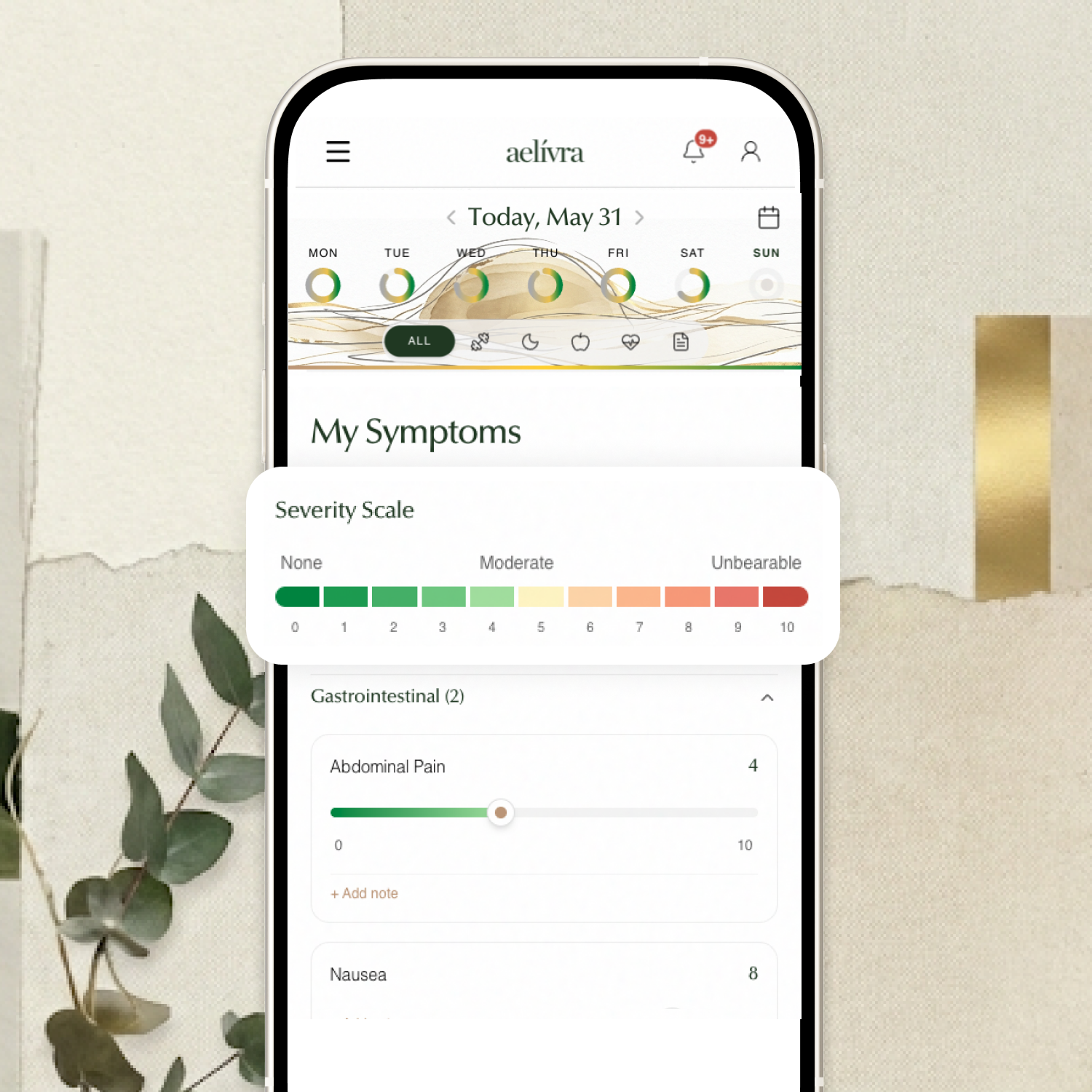
Every check-in brings you closer to answers. Effortlessly build a clear picture of energy, mood, pain, and sleep over time — so you can see exactly what's improving, what's not, and feel confident you're doing the right things to feel better.
Frequently Asked Questions
How fast will I lose weight with intermittent fasting?
Weight loss occurs at a similar rate to standard calorie restriction, typically 0.5 to 1 kilogram per week. The exact pace depends entirely on the size of your daily energy deficit.
Can I drink coffee during a fasting window?
Yes. Black coffee, plain tea, and water do not contain calories and will not break your metabolic fast.
Does intermittent fasting slow your metabolism?
Short-term fasting does not significantly slow metabolism. However, losing a large amount of body weight rapidly through any method will slightly decrease your daily energy expenditure.
Sources

Cameron founded aelívra after years of living an unknown no one could answer — navigating chronic health complexity through a medical system that wasn't built for it. That experience became a conviction: everyone deserves to feel truly alive, and no one should have to accept not knowing as a way of life. His work sits at the intersection of data science and functional health and wellbeing, turning the latest trusted medical research across news, health, wearables, biomarkers, and more into advice everyday people can use on their journeys toward feeling better. Every article is grounded in peer-reviewed evidence and linked to its primary source. This content is for informational purposes only and does not replace medical advice.