Summary at a glance
Harvard Medical School researchers have successfully mapped distinct brain circuits for treating depression and physical anxiety symptoms with TMS.
Targeting the anxiosomatic circuit improves anxiety symptoms by 58%, compared to just 36% with standard depression targeting.
Standard TMS often fails for highly anxious people because it stimulates the wrong neurological pathway.
Tracking whether symptoms are primarily physical or emotional helps doctors choose the most effective precision treatment.
This article is for informational purposes and does not replace professional medical advice. Always consult a healthcare provider for diagnosis and treatment of major depressive disorder, anxiety, or before pursuing therapies like transcranial magnetic stimulation (TMS).
How Does Precision TMS Target Anxiety and Depression Differently?
In March 2026, Harvard Medical School researchers published a landmark clinical trial proving that transcranial magnetic stimulation (TMS) can treat depression and anxiety separately by targeting different brain circuits. The study reveals that tailoring brain stimulation to a patient's specific physical or emotional symptom profile drastically improves treatment outcomes.
For years, doctors treated major depressive disorder with a one-size-fits-all approach to brain stimulation. They aimed at a single region on the left side of the brain. While this lifted mood for many, it frequently left physical anxiety symptoms untouched.
Harvard Medical School (2026) reports that among 40 adults with major depression, shifting the TMS target to an "anxiosomatic" circuit resulted in a 58% improvement in anxiety scores, compared to just 36% with traditional targeting pubmed.ncbi.nlm.nih.gov. Both targets improved depression scores by over 50%, but only precision targeting effectively cleared the physical tension of anxiety pubmed.ncbi.nlm.nih.gov.
This head-to-head trial marks a definitive shift toward precision psychiatry, turning a generalized therapy into a highly specific intervention pubmed.ncbi.nlm.nih.gov.
Precision TMS uses advanced brain mapping to locate the exact neural pathways driving specific symptoms, allowing for customized stimulation rather than a generalized approach.
What Is the Difference Between Dysphoric and Anxiosomatic Circuits?
Mental health symptoms manifest in fundamentally different areas of the brain. The Harvard trial categorizes these into two primary pathways: the dysphoric circuit and the anxiosomatic circuit pubmed.ncbi.nlm.nih.gov.
The dysphoric circuit primarily drives the emotional heaviness of depression. People with high dysphoria experience deep sadness, a lack of motivation, and a persistent low mood. Standard TMS targets this circuit near the left dorsolateral prefrontal cortex pubmed.ncbi.nlm.nih.gov.
Conversely, the anxiosomatic circuit governs the physical, bodily sensations of anxiety, including a tight chest and restless energy. The new research shows that stimulating a slightly different dorsomedial target reaches this pathway directly pubmed.ncbi.nlm.nih.gov.
| Feature | Dysphoric Circuit | Anxiosomatic Circuit |
|---|---|---|
| Primary Symptoms | Deep sadness, lack of joy, low motivation | Physical tension, restlessness, tight chest |
| Response to Standard TMS | Responds well | Often untouched |
| Harvard 2026 Target | Left dorsolateral prefrontal cortex | Dorsomedial prefrontal cortex |
| Clinical Result | 55% improvement in depression scores | 58% improvement in anxiety scores |
Understanding this distinction explains why treating the brain as a single entity often falls short.
Many people diagnosed with depression actually suffer from highly active anxiosomatic circuits, which is why treatments focusing solely on mood often leave them feeling physically agitated.
Why Does Standard TMS Work for Some People but Not Others?
Standard TMS assumes all depression looks the same in the brain. The reality is far more complex. When traditional treatments fail, it often means the therapy stimulated the wrong neurological neighborhood.
The latest research confirms that targeting one connectome-derived brain circuit preferentially improves dysphoric symptoms, while aiming at another selectively reduces anxiosomatic symptoms pubmed.ncbi.nlm.nih.gov. If a patient has severe physical anxiety alongside depression, standard TMS completely misses the pathway driving the most distressing symptoms.
This revelation explains the frustrating non-responder experience. People often blame themselves when a celebrated treatment fails. Instead, the failure lies in the targeting. Mapping the right circuit changes the entire trajectory of recovery.
 Doctor explaining why standard TMS targets might miss physical anxiety pathways
What Should People Track to Identify Their Specific Mental Health Subtype?
Pinpointing whether a struggle is primarily dysphoric or anxiosomatic requires looking closely at daily patterns. Doctors need accurate symptom data to choose the correct TMS target.
Patients can start by noticing how distress physically feels in the body. Recognizing these nuances helps providers determine if someone is dealing with Is It Anxiety or Something Deeper? When Symptoms Point Beyond Stress.
This is why tracking matters. Aelívra maps the stress cycles driving symptoms, revealing patterns that feel invisible until they are mapped. Bringing a clear timeline of physical versus emotional symptoms into an appointment shifts the consultation from general distress to precise targeting.
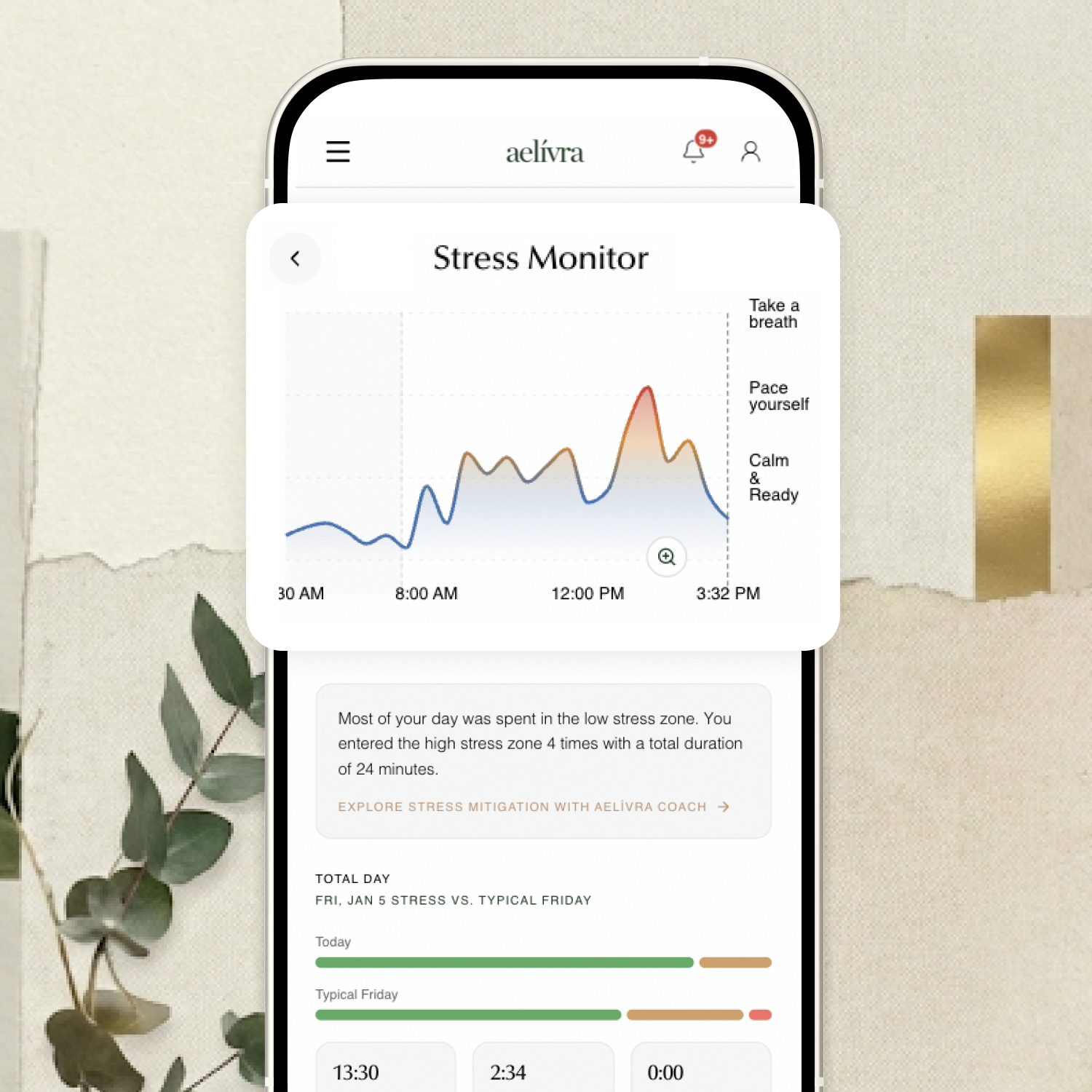
See whether anxiety, fatigue, or pain are connected to stress patterns you can actually change. aelívra tracks mood and emotional triggers alongside physical symptoms — revealing a clear plan of how to support your health and wellbeing and finally feel better.
What Else Do People Ask About Precision TMS?
Can brain circuit mapping predict TMS success rates?
Yes. By aligning the TMS target with a patient's specific baseline symptom profile, doctors can significantly increase the chances of clearing both depression and anxiety. Targeting the anxiosomatic circuit directly has been shown to boost anxiety relief from 36% to 58% pubmed.ncbi.nlm.nih.gov.
How quickly does precision TMS work compared to standard treatments?
While the total number of sessions often remains similar—typically around 30 treatments for a full course—precision targeting means patients avoid spending weeks stimulating an ineffective brain pathway pubmed.ncbi.nlm.nih.gov.
Is precision TMS available in all clinics?
Because this circuit-level mapping emerged from 2026 clinical trials, it is currently transitioning from major research institutions into specialized clinical practice. Patients can ask their neurologist or psychiatrist if they offer symptom-guided connectome targeting.
Sources

Cameron founded aelívra after years of living an unknown no one could answer — navigating chronic health complexity through a medical system that wasn't built for it. That experience became a conviction: everyone deserves to feel truly alive, and no one should have to accept not knowing as a way of life. His work sits at the intersection of data science and functional health and wellbeing, turning the latest trusted medical research across news, health, wearables, biomarkers, and more into advice everyday people can use on their journeys toward feeling better. Every article is grounded in peer-reviewed evidence and linked to its primary source. This content is for informational purposes only and does not replace medical advice.