Summary at a glance
A 2026 Nature Neuroscience study proves scientists can trigger restorative sleep-like states in targeted brain regions while subjects remain fully awake.
This localized recovery method actively reversed cognitive fatigue and restored memory performance by 40% in sleep-deprived subjects.
Brain fatigue operates on regional energy cycles, meaning specific exhausted areas can essentially 'hot-swap' for refreshed ones.
While local sleep clears brain fog and restores synaptic function, traditional unconscious rest remains necessary for global physical healing.
This article discusses emerging neurological research published in 2026 and is intended for informational purposes only. It does not provide clinical diagnosis or treatment advice for sleep disorders, insomnia, or cognitive impairment. Always consult a healthcare provider regarding changes to your sleep habits or neurological health.
Can Your Brain Actually Recover From Fatigue While You Stay Awake?
In early 2026, the National Institutes of Health published a landmark study in Nature Neuroscience demonstrating that specific brain regions can enter restorative sleep states while a subject remains entirely awake. This localized brain sleep restoration actively reverses cognitive fatigue and memory loss without ever requiring total unconsciousness nih.gov.
For decades, scientists treated sleep as a strict, all-or-nothing biological shutdown. This recent discovery changes that perspective. Researchers proved the brain can perform critical maintenance on a targeted, region-by-region basis sciencedaily.com.
The research team used light-based tools to trigger slow-wave activity directly in the motor cortex. The results were immediate. The National Institutes of Health (2026) reports that this induced local sleep produced a 100% performance restoration in the motor cortex despite the subjects experiencing systemic sleep deprivation nih.gov.
Those momentary lapses in attention when you are exhausted might actually be tiny clusters of neurons taking an involuntary micro-nap to stay functional.
How Does Localized Sleep Restoration Fix Memory and Focus?
The secret to this rapid recovery lies in cellular energy. When you stay awake for long periods, active neurons experience severe synaptic fatigue. Inducing quiet periods in specific brain areas allows their mitochondria to rapidly recharge their cellular energy stores nih.gov.
This targeted recharging reverses the exact cognitive deficits caused by sleep deprivation. In fact, the National Institutes of Health (2026) found that subjects experiencing this localized restoration performed 40% better on memory tasks compared to sleep-deprived controls nih.gov.
The brain essentially hot-swaps tired circuits for refreshed ones. Instead of shutting down the entire body, targeted neurons flicker off to recover from intense fatigue sciencedaily.com. This explains why you might occasionally struggle with coordination but still hold a sharp, engaging conversation during a long shift.
 A visualization of energy recovery in targeted cognitive areas of the brain.
What Is the Difference Between Localized Restoration and Normal Sleep?
Localized restoration solves regional energy deficits, but it does not replace the systemic benefits of a full night in bed. True unconsciousness triggers vital whole-body repairs that a rapid micro-nap simply cannot match.
| Feature | Normal Global Sleep | Localized Brain Restoration |
|---|---|---|
| Conscious State | Unconscious and unresponsive | Fully awake and alert |
| Biological Mechanism | Whole-body slow-wave cycles | Targeted neuronal OFF periods |
| Primary Function | Systemic tissue repair and immunity | Specific cognitive and memory recovery |
These distinct mechanisms help clarify why understanding your core sleep vs deep sleep cycles remains critical. While future technology might leverage regional brain recovery to keep you sharp in high-stakes environments, your immune system still demands complete, traditional rest (link unavailable).
The 2026 study successfully reversed memory deficits without ever making the test subjects fall asleep, proving that cognitive recovery and unconsciousness are not always linked.
How Can You Manage Your Daily Energy and Sleep Reserves?
This 2026 discovery proves that brain fatigue happens in localized pockets rather than as a massive system failure. You might feel a heavy crash in focus while your physical energy remains completely steady. Recognizing these uneven energy dips is the first step toward managing them.
This is exactly where aelívra changes how you approach your day. The platform connects your sleep quality to your daytime energy and mood, spotting the precise patterns that leave you feeling drained. Instead of guessing why your afternoon focus evaporates, you see clear links between your rest cycles, daily stress, and mental sharpness.
If you constantly battle erratic energy drops or search for solutions like the recent sleep apnea pill alternative to CPAP sulthiame trial 2026, tracking your baseline becomes an absolute necessity. You can finally start acting on what is actually going on rather than fighting invisible exhaustion. Understanding these natural patterns is vital, especially if you struggle with Why You Wake Up at 3 AM: Cortisol and Sleep Maintenance Insomnia.
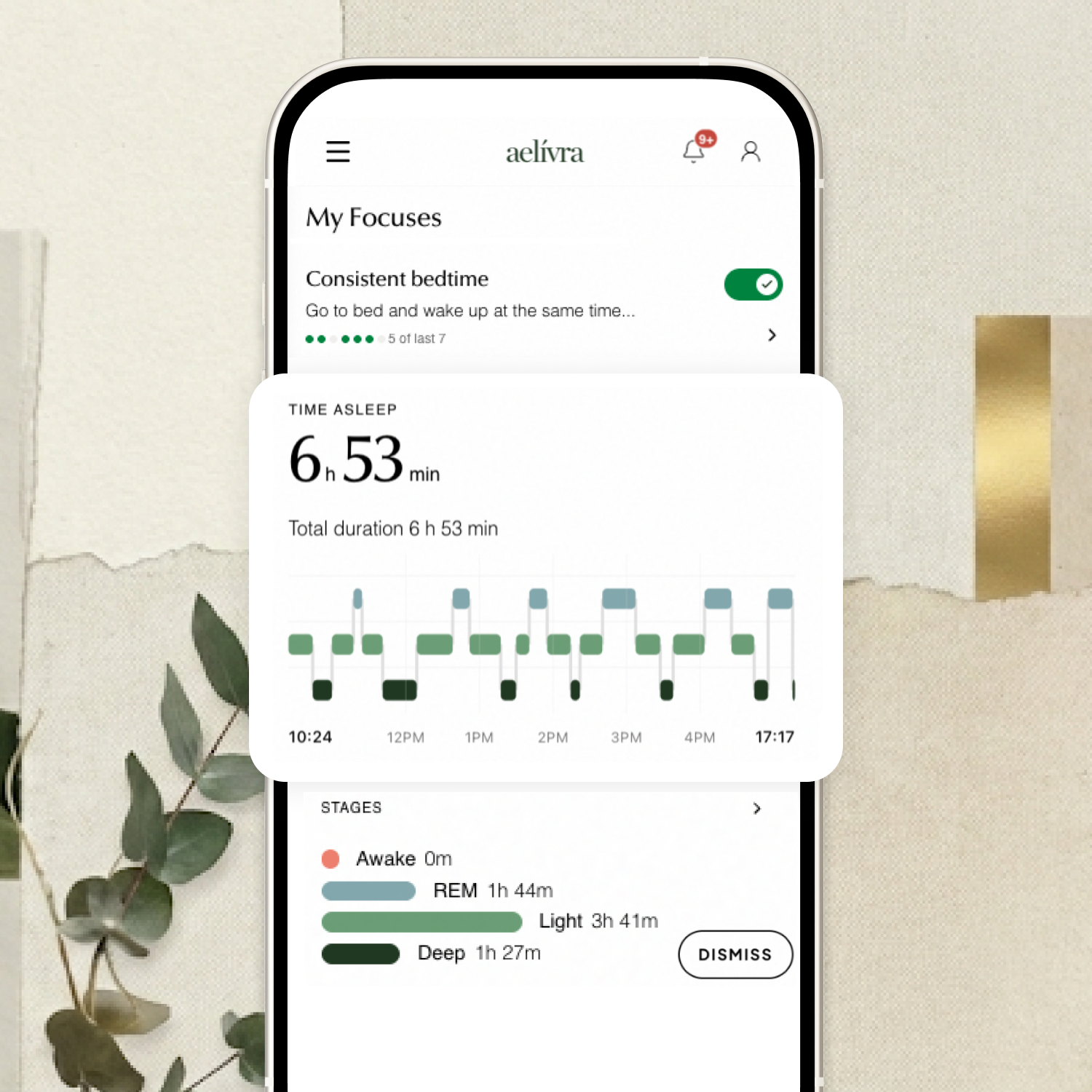
Get the rest you've always deserved. aelívra connects your sleep quality to your daytime energy, mood, and symptoms — then gives you practical steps based on your own patterns so you can finally get restorative rest, not just hours in bed.
Frequently Asked Questions About Localized Brain Recovery
Can specific parts of my brain fall asleep while I am awake? Yes. Neuronal flickering happens naturally when you are exhausted. Specific clusters of neurons enter brief off states to recover energy, which is why you might temporarily zone out or lose track of a sentence.
Will this research eventually eliminate the need for traditional sleep? No. Localized sleep restoration only targets cognitive and motor functions in the brain. Your body still relies on global unconsciousness for critical muscle repair, hormone regulation, and metabolic health.
Does localized sleep feel like a normal daytime nap? Not quite. A traditional nap pushes your entire body into the early stages of a sleep cycle. Localized restoration happens at a cellular level, allowing you to remain physically active and conscious while specific neuronal regions quietly recharge.

Cameron founded aelívra after years of living an unknown no one could answer — navigating chronic health complexity through a medical system that wasn't built for it. That experience became a conviction: everyone deserves to feel truly alive, and no one should have to accept not knowing as a way of life. His work sits at the intersection of data science and functional health and wellbeing, turning the latest trusted medical research across news, health, wearables, biomarkers, and more into advice everyday people can use on their journeys toward feeling better. Every article is grounded in peer-reviewed evidence and linked to its primary source. This content is for informational purposes only and does not replace medical advice.