Summary at a glance
A high RDW indicates that your red blood cells are unequal in size, which often points to nutritional deficiencies or anemia.
Your RDW can rise before your hemoglobin drops, making it an early warning sign for developing health issues.
Elevated red cell distribution width is strongly linked to unexplained fatigue, even if you are not officially anemic.
Red blood cells live for about 120 days, meaning lifestyle or nutritional interventions take time to reflect in your lab results.
What Does a High RDW Mean in a Blood Test?
A high red cell distribution width (RDW) means there is significant variation in the size of your red blood cells. In a healthy state, these cells remain relatively uniform. When your RDW is elevated, your body is struggling to produce appropriately sized cells, frequently due to early iron or vitamin deficiencies.
Your blood relies on red blood cells to carry oxygen from your lungs to your tissues. When you look at your lab results, the RDW value reflects the variety in their volume. A 2024 guide from MedlinePlus notes that an RDW test uses a histogram graph to measure these exact cell size variations medlineplus.gov.
If your cells vary wildly in size, they deliver oxygen less efficiently. This inconsistency forces your cardiovascular system to work harder. Over time, you feel the physical effects as exhaustion, shortness of breath, or brain fog.
An elevated RDW is rarely ignored by healthcare providers. It serves as a sensitive, early diagnostic flag for anemia and other systemic issues my.clevelandclinic.org.
RDW does not measure how big your cells are on average—that is your MCV. RDW simply measures how much your cell sizes differ from one another.
What Is a Normal RDW Range for Men and Women?
A normal RDW generally falls between 11.5% and 14.5%, though specific reference ranges vary slightly depending on the lab analyzing your blood.
To fully understand your RDW, you must look at it alongside your other Complete Blood Count (CBC) markers. Mayo Clinic Labs (2026) provides standard reference ranges for the core blood markers that give your RDW context mayocliniclabs.com.
| Blood Marker | Adult Male Range | Adult Female Range |
|---|---|---|
| Hemoglobin | 13.2–16.6 g/dL | 11.6–15.0 g/dL |
| Hematocrit | 38.3–48.6% | 35.5–44.9% |
| Mean Corpuscular Volume (MCV) | 78.2–97.9 fL | 78.2–97.9 fL |
If your RDW exceeds 14.5%, your red blood cells are too diverse in size. You might see this flagged as "high" or "elevated" on your patient portal. Even a slight elevation warrants attention, especially if you experience physical symptoms.
 A structured reference table for Complete Blood Count markers
Why Is My RDW High If My Hemoglobin Is Normal?
Your RDW can elevate long before your hemoglobin levels drop. Your body prioritizes keeping your hemoglobin within a normal range to ensure basic survival and oxygen delivery.
When you start running low on essential nutrients like iron, your bone marrow struggles to make perfect red blood cells. Instead of halting production, it begins releasing cells of varying sizes to keep your total hemoglobin up.
This makes RDW an incredible early warning system. You can catch an impending iron deficiency or nutrient absorption issue months before you become clinically anemic. Do not dismiss a high RDW just because your other numbers look fine.
Track your RDW across multiple blood tests. An upward trend, even within the normal range, can indicate your iron stores are slowly depleting.
Can High RDW Explain Why I Feel So Tired?
Yes, an elevated red cell distribution width strongly correlates with chronic fatigue, even if you are not classified as anemic.
According to a 2019 study published in the Journal of Clinical Medicine, researcher C. Wincup from University College London evaluated 225 patients and found a robust statistical correlation between RDW levels and severe fatigue (p < 0.001) (link unavailable). This connection persisted regardless of the patients' actual anemia status.
Your body demands a smooth, efficient oxygen delivery system to generate daily energy. When red blood cells are irregular, they navigate your tiny capillaries poorly. Your cells receive less oxygen during exertion.
You end up feeling drained after simple tasks. If your doctor tells you your blood work is normal but you still feel exhausted, look closely at your RDW value.
Fatigue from elevated RDW often feels like a heavy, physical exhaustion rather than just sleepiness.
What Are the Most Common Causes of Elevated Red Cell Distribution Width?
Iron deficiency is the single most common cause of a high RDW. Without enough iron, your body cannot produce uniformly sized cells, leading to a wider distribution curve.
Beyond simple iron deficiency, several other triggers can cause your RDW to spike:
Identifying the specific cause requires looking at your Mean Corpuscular Volume (MCV). A high RDW paired with a low MCV usually points to iron deficiency, while a high RDW with a high MCV points toward B12 or folate issues.
Is High RDW Linked to Heart Disease and Long-Term Health?
A high RDW places additional strain on your cardiovascular system. When your red blood cells fail to deliver oxygen efficiently, your heart pumps faster and harder to compensate for the shortfall.
Over time, this continuous extra effort takes a toll on your cardiovascular resilience. While monitoring your lab markers, understanding what is a good hrv can give you a clearer picture of how well your heart handles this chronic stress.
Because RDW responds to systemic inflammation, it serves as a broad indicator of your overall vascular health. Tracking these subtle patterns helps you gauge whether your body is recovering efficiently or quietly struggling. You can learn more about translating these physical stress signals by reading how HRV Explained: What Your Number Actually Means for Recovery and Stress connects to your daily energy.
How Long Does It Take for High RDW Levels to Return to Normal?
It takes roughly three to four months for an elevated RDW to return to normal after you begin correcting the underlying cause.
Red blood cells have a lifespan of about 120 days. When you start an iron supplement or improve your diet, your body immediately begins producing healthy, uniform cells. However, the older, irregular cells continue circulating until they naturally die off.
Your RDW remains high as long as that mix of old and new cells exists in your bloodstream. Do not panic if your RDW is still elevated on a follow-up test just four weeks after starting treatment. Focus on how your energy levels feel rather than expecting immediate changes in the lab value.
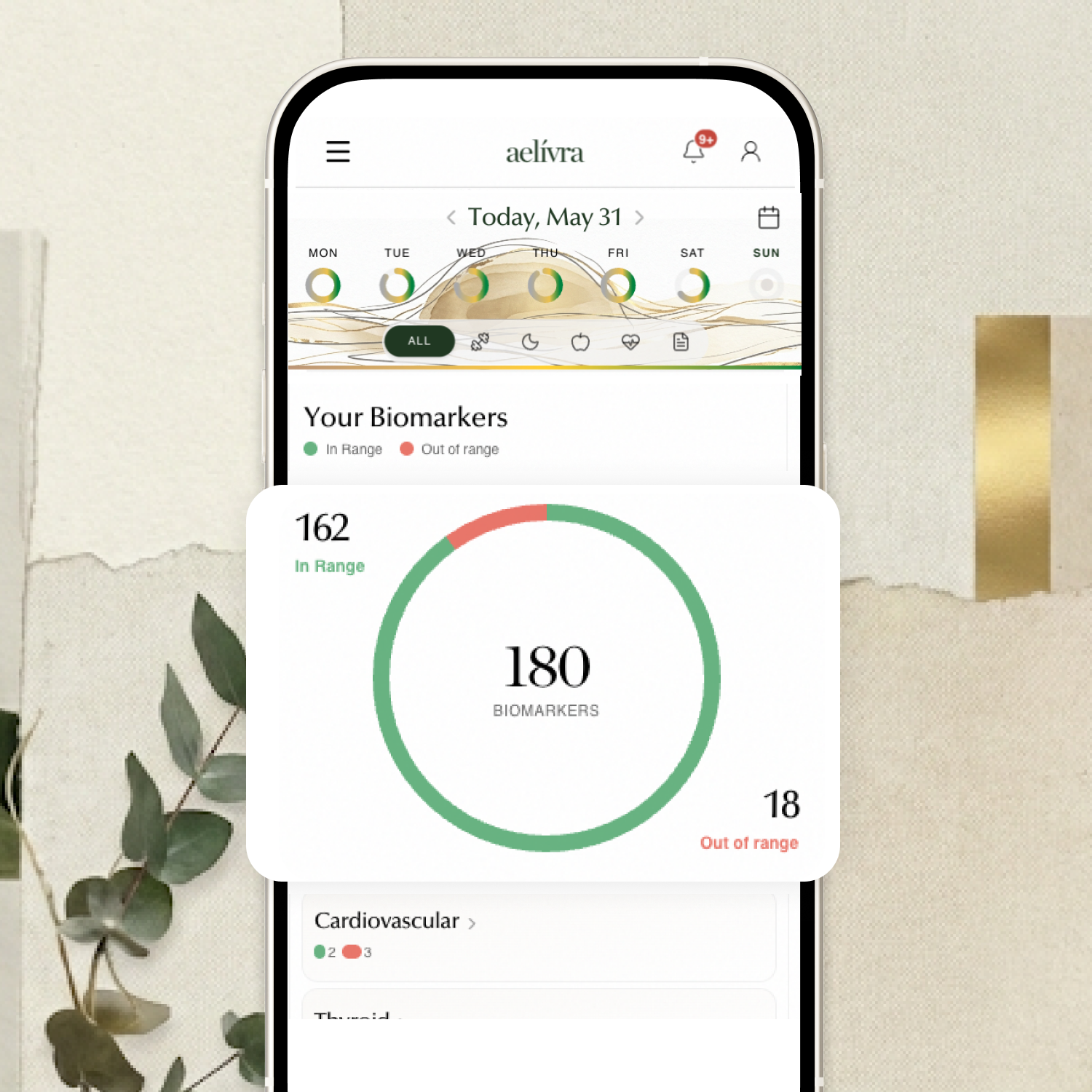
Blood work, scans, test results, medical reports — finally in one place and connected to how you actually feel. aelívra tracks biomarkers and health records over time, so you can see what's trending in the right direction and walk into your next appointment knowing exactly what to discuss.
Frequently Asked Questions
Can dehydration cause a high RDW? No, dehydration primarily affects your hematocrit by concentrating your blood volume. It does not alter the actual physical size variation of your red blood cells.
Is a low RDW something to worry about? A low RDW is generally not clinically significant. It simply means your red blood cells are highly uniform in size, which is a sign of healthy bone marrow function.
Should I fast before an RDW blood test? You do not need to fast specifically for an RDW test. However, because it is part of a Complete Blood Count (CBC) that might be drawn alongside fasting glucose or cholesterol panels, always follow your doctor's exact instructions.
Can stress cause high RDW? Acute emotional stress does not immediately change your cell sizes. However, severe, chronic physical stress that drives systemic inflammation can eventually interfere with iron metabolism and raise your RDW over several months.