
Summary at a glance
HbA1c provides a three-month average of blood sugar levels by measuring glycated hemoglobin in red blood cells.
A normal HbA1c level is below 5.7%, while results between 5.7% and 6.4% indicate prediabetes.
The most recent 30 days of your diet and lifestyle influence roughly 50% of your total HbA1c result.
A perfect morning fasting glucose test can still mask hidden post-meal blood sugar spikes that only an HbA1c test will catch.
What is the HbA1c test used for?
HbA1c is a blood test that measures your average blood sugar levels over the past two to three months. By evaluating the percentage of hemoglobin coated in glucose, it provides a stable, long-term picture of your metabolic health. Healthcare providers rely on it to screen for and monitor diabetes.
What Are the Normal HbA1c Ranges for Adults?
Normal HbA1c levels for healthy adults fall below 5.7%, while results between 5.7% and 6.4% indicate prediabetes. A result of 6.5% or higher on two separate tests typically confirms a diabetes diagnosis.
These thresholds help map metabolic risk before symptoms ever appear. The Cleveland Clinic (2022) reports that for every 1% change in an HbA1c result, your estimated average blood sugar shifts by approximately 29 mg/dL my.clevelandclinic.org. This precise relationship makes it easier to understand daily glucose exposure without constantly measuring it.
| HbA1c Level | Clinical Category | Health Implication |
|---|---|---|
| Below 5.7% | Normal | Healthy glucose processing |
| 5.7% to 6.4% | Prediabetes | Elevated metabolic risk |
| 6.5% or higher | Diabetes | Consistent hyperglycemia |
Catching changes early makes a substantial difference. Small percentage creeps often happen years before a clinical diagnosis. Monitoring these ranges allows for early dietary adjustments.
Metabolic dysfunction typically develops 10 to 15 years before any formal diagnosis, making the prediabetes range a critical window for intervention.
Why Does Recent Blood Sugar Matter More Than the Last 90 Days?
Although HbA1c represents a three-month period, the most recent 30 days influence roughly 50% of your total test result.
This weighting happens because red blood cells are constantly turning over. They live for a maximum of 120 days. However, your bloodstream always contains a mix of old and brand-new cells. The National Diabetes Services Scheme (2024) explains that about 50% of an HbA1c value represents glucose exposure in just the preceding 30 days ndss.com.au.
Because newer cells outnumber older ones, recent habits carry disproportionate weight. A strict dietary intervention can pull the number down visibly within a few weeks, even though the full cell cycle takes months to complete.
 A person checking a calendar to track the timeline of their dietary changes
Why Is Your HbA1c High Even If Your Fasting Glucose Is Normal?
A normal fasting glucose test only captures your blood sugar after hours of not eating, completely missing the hidden spikes that occur after meals.
Daily blood sugar tests offer a quick snapshot. HbA1c plays back the entire movie. If your fasting numbers look perfect but your HbA1c is high, your body is likely struggling to process glucose efficiently after you eat. These post-meal surges drive up the long-term average silently.
Experts at MedlinePlus (2025) state that because the A1C test evaluates a two-to-three-month timeline, it effectively captures the cumulative burden of these daily spikes medlineplus.gov. Relying purely on morning metrics often creates a false sense of security.
Relying purely on a morning fasting glucose test can mask high blood sugar if your body struggles to process carbohydrates after lunch or dinner.
Can Body Mass and Sleep Affect Your HbA1c Results?
Factors beyond food—including body mass, chronic stress, and sleep quality—can significantly impact your HbA1c by altering how effectively your cells respond to insulin.
Higher body mass often contributes directly to insulin resistance. This means your cells stop responding properly to incoming insulin signals. Because the sugar cannot enter the cells, glucose lingers in the bloodstream and binds to your hemoglobin. Levels Health (2026) notes that fewer than 1 in 8 adults qualify as metabolically healthy, highlighting how widespread these lifestyle impacts are levels.com.
Addressing these background factors requires a comprehensive approach. Exploring the best intermittent fasting for weight loss can improve insulin sensitivity. Lowering body mass directly reduces the daily glucose burden on your blood, giving your metabolic system a chance to recover.
A single night of poor sleep acutely decreases insulin sensitivity, which is why chronic sleep deprivation steadily pushes long-term HbA1c higher.
How Often Should You Test Your HbA1c to Track Progress?
Adults tracking lifestyle changes should test their HbA1c every three to six months, as testing more frequently will not reveal significant new information.
Because red blood cells take roughly 120 days to fully turn over, the body needs time to reflect sustained habits. Healthdirect Australia (2024) reports that the test accurately shows the blood sugar average from the past 8 to 12 weeks healthdirect.gov.au. Testing too frequently usually leads to unnecessary frustration.
Navigating these timelines can feel mentally taxing. Many people experience wellness tracking optimisation backlash fatigue 2026 when they obsess over daily health numbers. Focusing on quarterly HbA1c checks provides a grounded, actionable timeline. It filters out the daily noise and highlights real progress.
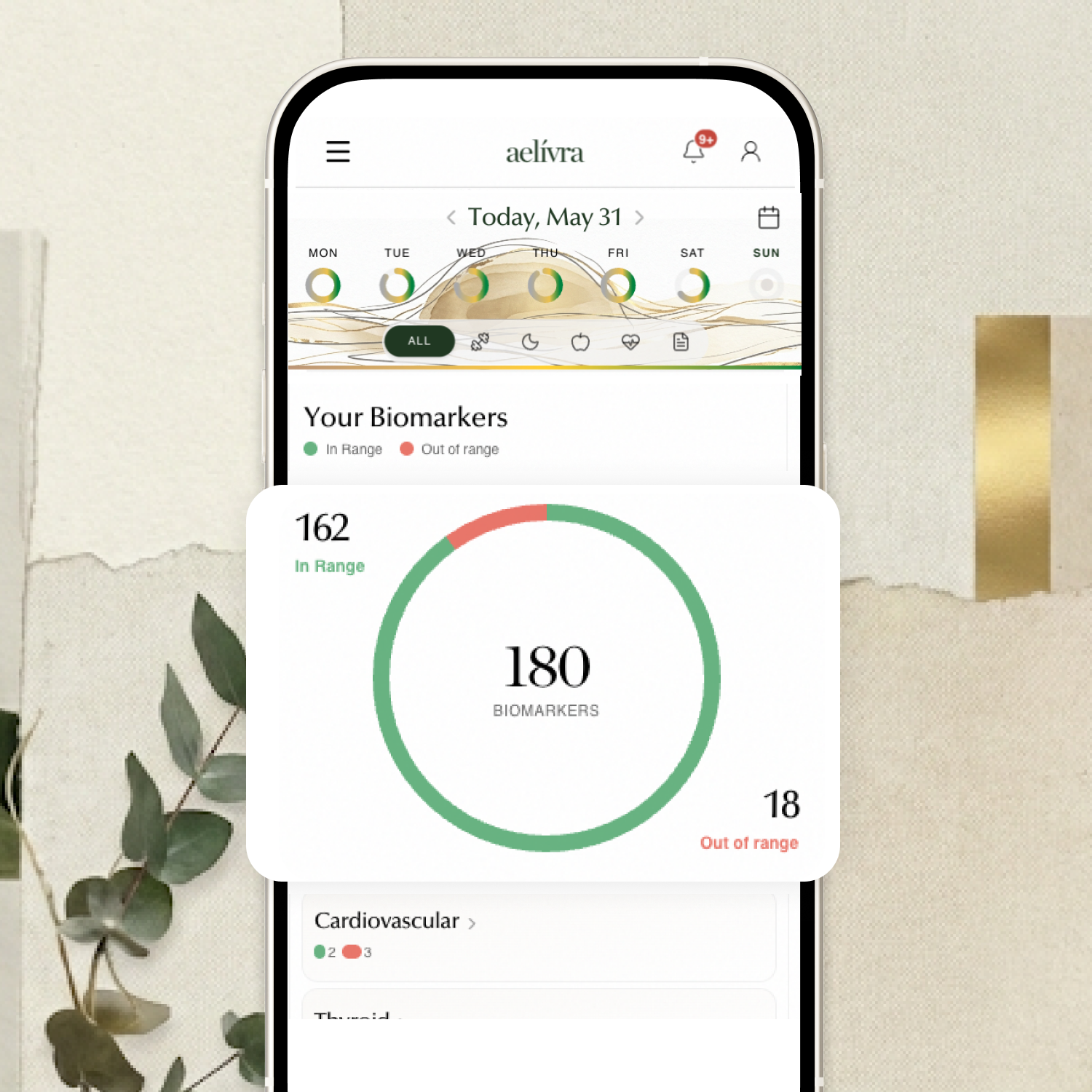
Blood work, scans, test results, medical reports — finally in one place and connected to how you actually feel. aelívra tracks biomarkers and health records over time, so you can see what's trending in the right direction and walk into your next appointment knowing exactly what to discuss.
Frequently Asked Questions
How long does it take to lower HbA1c? It takes about 8 to 12 weeks of consistent dietary and lifestyle changes to see a meaningful reduction in your HbA1c levels.
Do I need to fast before an HbA1c blood test? No, fasting is entirely unnecessary. Because the test measures a three-month average, eating a meal right before your blood draw will not change the result.
What is the difference between HbA1c and glucose? Glucose is the free-floating sugar currently in your bloodstream. HbA1c measures the percentage of sugar that has permanently bonded to your red blood cells over time.
Can stress raise my HbA1c? Yes. Chronic stress elevates cortisol, which prompts the liver to release extra glucose into the blood. Over several months, this consistent elevation increases your overall HbA1c percentage.