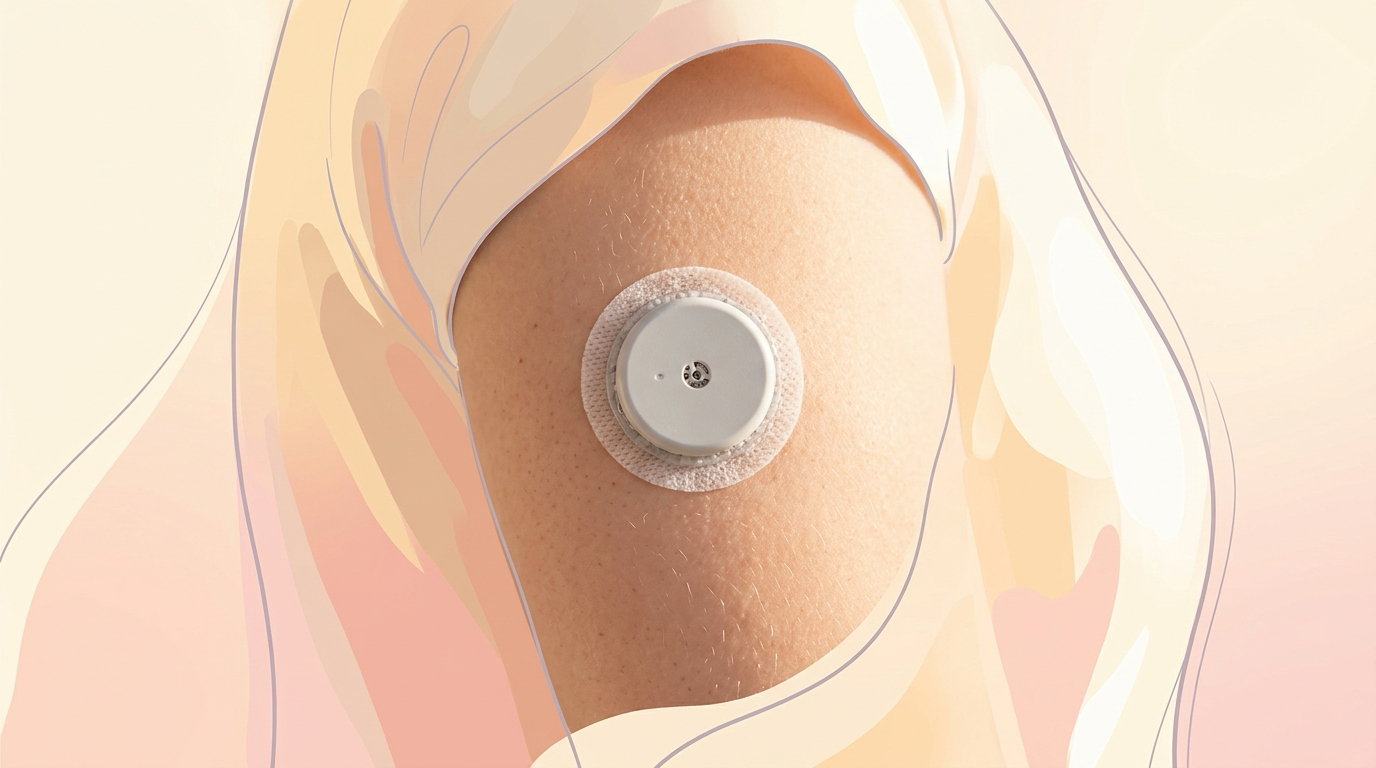
Summary at a glance
Continuous glucose monitors provide immediate behavioural feedback, helping users identify which specific foods and habits cause energy crashes.
Clinical research from 2026 shows that integrating glucose tracking into lifestyle routines accelerates weight loss and improves dietary adherence.
Stress, intense exercise, and poor sleep can cause significant blood sugar spikes even when no carbohydrates are consumed.
Raw data can be confusing without context; pairing sensor readings with a connected health platform helps translate numbers into actionable insights.
This article is for informational purposes only and does not constitute medical advice. Continuous glucose monitors provide general metabolic data and should not be used to self-diagnose or alter clinical treatment plans without consulting a healthcare provider. Always discuss changes to diet, exercise, or medical devices with a qualified medical professional.
Which Continuous Glucose Monitor Is Best for People Without Diabetes?
The best continuous glucose monitor depends entirely on whether the goal is managing a medical condition or tracking lifestyle habits. For clinical accuracy, Dexcom G7 and FreeStyle Libre 3 lead the market. For wellness tracking, the right software pairing matters more than the sensor itself.
Finding the right device starts with understanding the desired measurements. A continuous glucose monitor sits on the arm or stomach and reads interstitial fluid. It sends a continuous stream of data to a smartphone. This gives a clear window into how the body processes fuel.
People living with diabetes typically receive recommendations for devices that integrate directly with automated insulin delivery systems. Those exploring metabolic health have more flexibility. They can choose sensors based on comfort, app usability, and affordability.
The technology has advanced rapidly in recent years. Devices are smaller, more accurate, and much easier to apply. An applicator presses against the skin, and a tiny, flexible filament slides just beneath the surface. It is virtually painless. The sensor maps energy patterns while a person sleeps, eats, and moves.
If the goal is wellness rather than medical management, prioritise an app that helps connect the dots between the numbers and daily habits.
Can Using a CGM Help You Lose Weight and Improve Body Composition?
Yes, using a continuous glucose monitor can accelerate weight loss by providing immediate feedback on how food affects the body. Seeing real-time data helps people make better choices and stick to their health goals.
Tracking the metabolic response removes the guesswork from eating. According to a 2026 randomised controlled trial published in PubMed, integrating intermittently scanned continuous glucose monitoring into lifestyle interventions resulted in an average weight loss of 5.5 kg pubmed.ncbi.nlm.nih.gov. The researchers noted that these devices act as powerful behavioural feedback tools. Seeing a sharp spike on a screen often stops a craving in its tracks.
Different bodies handle the exact same meal in different ways. One person might process a bowl of oatmeal perfectly, while someone else experiences a steep glucose crash two hours later. This crash often triggers sudden hunger. Tracking these unique responses allows people to adjust portion sizes or change meal timing to prevent energy dips.
A 2026 study found that non-diabetic populations using a continuous glucose monitor experienced significant dietary modifications and a reduction in mean blood glucose by 3.90 mg/dL pubmed.ncbi.nlm.nih.gov. The sensor simply provides the visual proof people need to stay consistent.
Clinical trials show that seeing a physical glucose spike on a screen often stops cravings and encourages healthier food choices.
What Are the Main Differences Between Dexcom G7 and FreeStyle Libre 3?
The main difference is that the Dexcom G7 offers faster warmup times and highly customisable alerts, while the FreeStyle Libre 3 is slightly smaller and often more affordable. Both provide highly accurate readings every few minutes.
Choosing between the major brands often comes down to daily routines. Both the Dexcom G7 and the FreeStyle Libre 3 send real-time data straight to a smartphone. They eliminate the need for routine finger pricks. Both sensors are discreet and water-resistant.
| Feature | Dexcom G7 | FreeStyle Libre 3 |
|---|---|---|
| Sensor Size | Similar to three stacked coins | Similar to two stacked pennies |
| Warmup Time | 30 minutes | 60 minutes |
| Wear Time | 10 days | 14 days |
| Reading Frequency | Every 5 minutes | Every 1 minute |
| Alert Customisation | Extensive, adjustable by time of day | Standard high/low thresholds |
The Dexcom G7 features a rapid 30-minute warmup time. This means less waiting around after applying a new sensor. It also offers incredibly granular alert settings, allowing users to silence alarms during specific hours or set predictive warnings before glucose drops too low.
The FreeStyle Libre 3 holds the advantage for longevity. Each sensor lasts 14 days, compared to the Dexcom's 10 days. It is slightly thinner and updates its readings every minute. Many people find the Libre platform more cost-effective if they pay completely out of pocket.
Users who frequently knock sensors off their arms often apply a clear over-patch to keep the device secure during workouts and showers.
How Do You Interpret Continuous Glucose Monitor Data for Lifestyle Optimization?
Interpreting glucose data for lifestyle optimization involves looking at overall trends rather than obsessing over single numbers. The focus belongs on keeping daily glucose levels relatively stable, avoiding sharp spikes and steep crashes.
Raw data is often confusing. Nicole Spartano, an assistant professor of medicine at the Boston University Chobanian & Avedisian School of Medicine, notes in a 2025 report that there is currently no consensus on how clinical experts should interpret reports for people without diabetes bumc.bu.edu. Even specialists struggle to agree on exact follow-up recommendations when the data comes from healthy users.
This uncertainty leaves many people staring at charts they do not understand. A slight rise after a meal is entirely normal. The body breaks down carbohydrates into sugar, and blood sugar rises to deliver that energy. The goal is not a perfectly flat line. The goal is a gentle, rolling curve that returns to baseline within two hours.
The real value emerges when these lines connect to daily habits. Learning how to track symptoms effectively alongside wearable data helps contextualise the numbers. A sudden dip in glucose might completely explain why someone feels exhausted at 3 PM.
 A line graph showing stable glucose trends over a 24-hour period.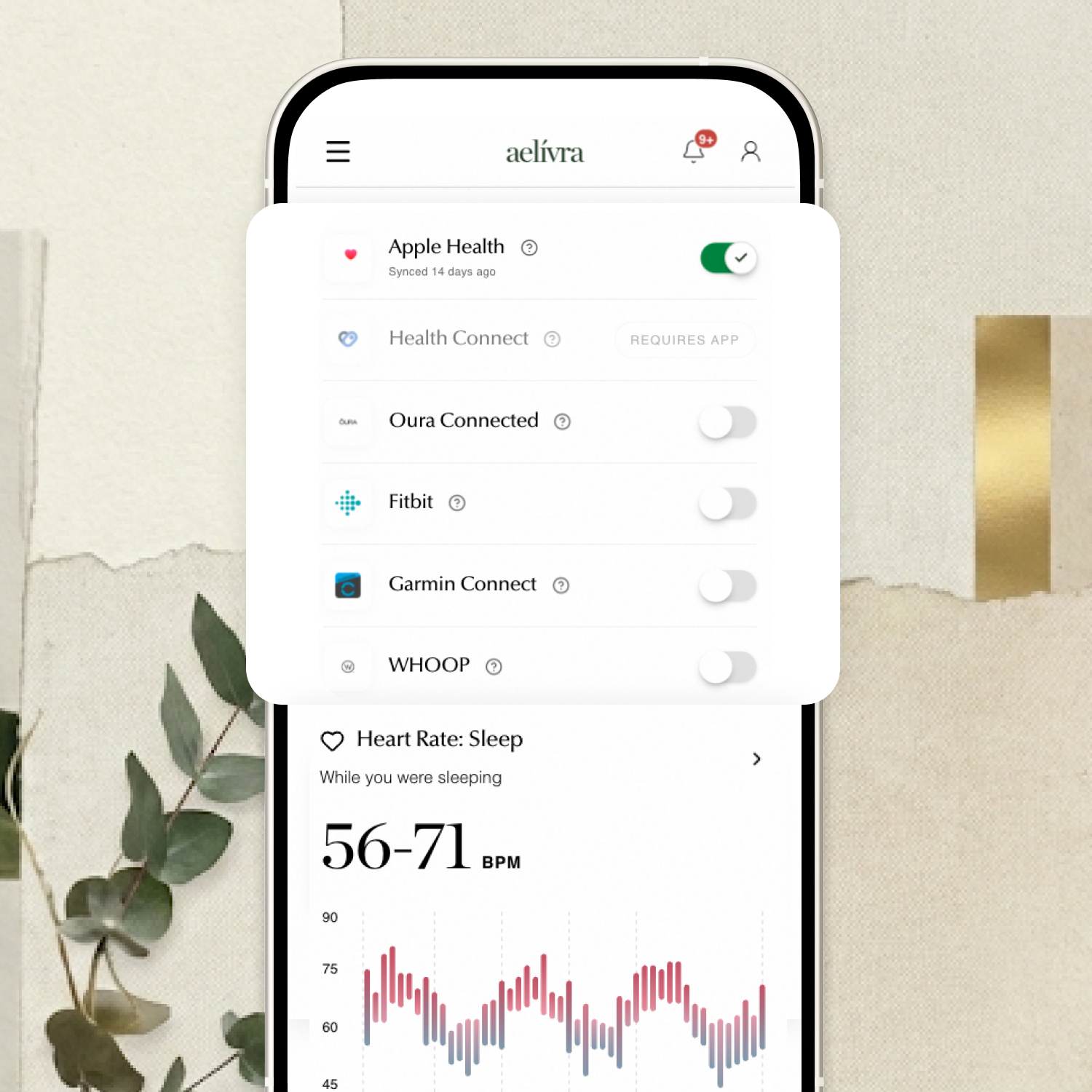
Make the most of your wearables. HRV, resting heart rate, and sleep stages can finally mean something. aelívra connects 500+ wearables and apps (Oura, Apple Health, Garmin, Fitbit, Whoop) and maps that data directly against how you actually feel — your syptoms and your wellbeing first, always.
Why Did My Glucose Spike Even When I Didn't Eat Sugar?
Glucose can spike without sugar because stress, poor sleep, and intense exercise trigger the liver to release stored energy. It is a natural biological response, not always a sign of a bad diet.
Food is only one piece of the metabolic puzzle. Cortisol, the primary stress hormone, tells the body to prepare for action by flooding the bloodstream with sugar. Facing a stressful meeting or driving through heavy traffic can register a spike that looks exactly like a response to a heavy dessert.
Exercise causes a similar reaction. High-intensity workouts demand rapid energy. The liver dumps glucose into the blood to fuel the muscles. This temporary rise is completely healthy and actually improves insulin sensitivity over time.
Sleep deprivation also drastically alters the metabolic response. A single night of broken sleep makes the body temporarily insulin resistant the next day, reinforcing the importance of tracking pacing and recovery. John Halamka from the Mayo Clinic Platform explains in a 2026 review that combining wearables with intelligent algorithms helps identify these complex lifestyle triggers mayoclinicplatform.org.
 An abstract visual representing cortisol levels interacting with cellular energy systems.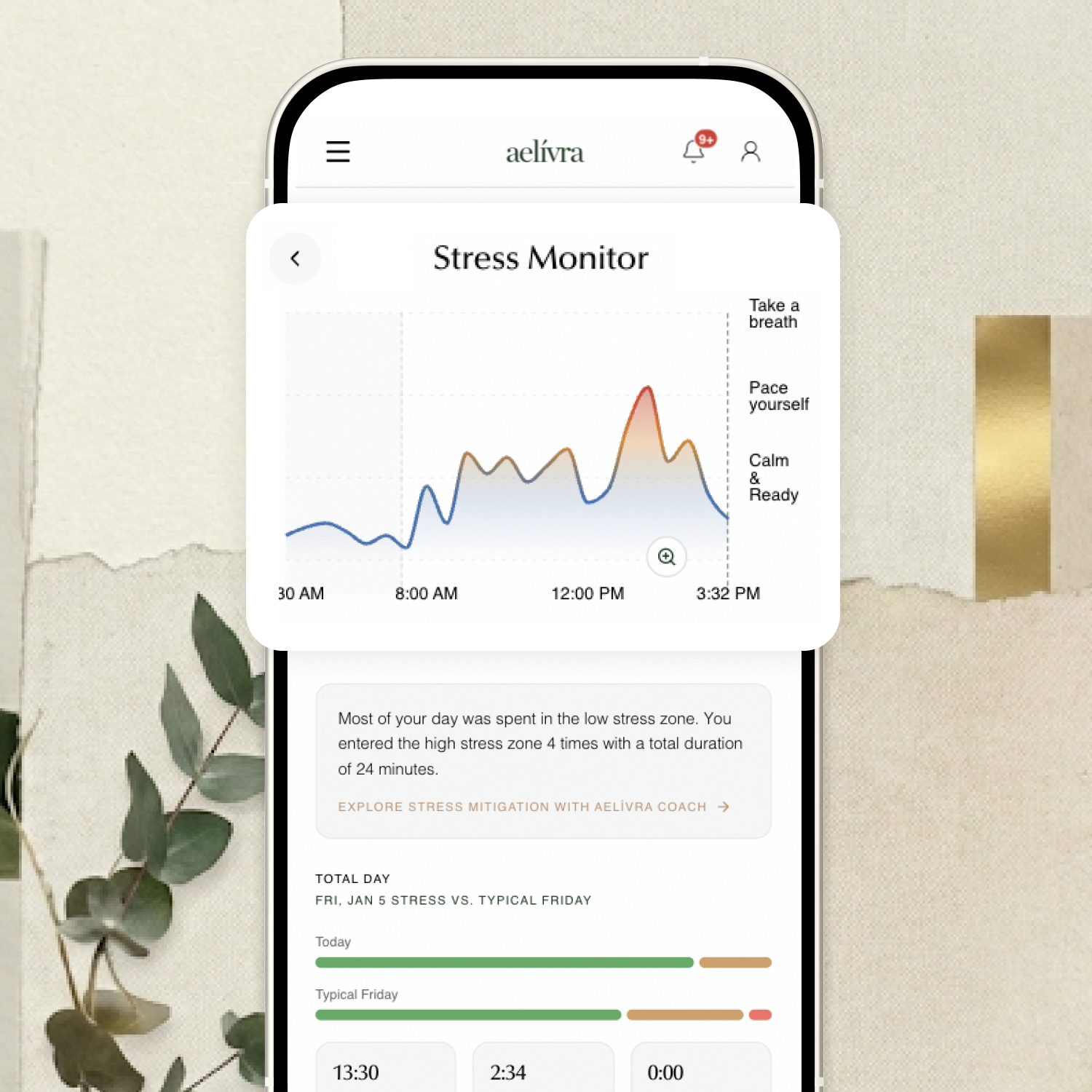
See whether anxiety, fatigue, or pain are connected to stress patterns you can actually change. aelívra tracks mood and emotional triggers alongside physical symptoms — revealing a clear plan of how to support your health and wellbeing and finally feel better.
Does Insurance Cover a CGM if You Are Not Using Insulin?
Insurance coverage for a continuous glucose monitor for those who do not use insulin is expanding, but it remains limited. Recent clinical guidelines strongly support their use for type 2 diabetes, prompting many health systems to improve access.
Historically, insurance companies only covered these devices for people requiring intensive insulin therapy. That landscape is shifting rapidly as clinical evidence proves the value of early intervention.
A 2026 report on the CONNECT trial highlighted that continuous monitoring substantially improves blood glucose control for adults with type 2 diabetes who do not use insulin, with participants seeing a 42% improvement in the time spent in their target range healio.com.
Public health systems are also adapting. NHS England introduced new 2025 guidelines to ensure equitable access to continuous glucose sensors for eligible people living with type 2 diabetes england.nhs.uk. However, those using the device purely for general wellness will likely need to pay out of pocket.
Many health systems now recognise the preventive value of glucose tracking, gradually expanding access before insulin dependency begins.
Frequently Asked Questions
How long does a continuous glucose monitor sensor last? Most sensors last between 10 and 14 days, depending on the manufacturer, before they must be replaced.
Can anyone buy a continuous glucose monitor without a prescription? Basic glucose sensors are becoming available over the counter in many regions, though advanced medical-grade systems often still require a prescription.
Is applying a glucose sensor painful? Applying the sensor feels like a very quick pinch, similar to snapping a rubber band against the skin, but wearing it is generally painless.
Does a hot shower affect glucose readings? Extreme heat can sometimes cause temporary false high readings, but modern sensors are water-resistant and completely safe to wear in the shower.
Sources

Cameron founded aelívra after years of living an unknown no one could answer — navigating chronic health complexity through a medical system that wasn't built for it. That experience became a conviction: everyone deserves to feel truly alive, and no one should have to accept not knowing as a way of life. His work sits at the intersection of data science and functional health and wellbeing, turning the latest trusted medical research across news, health, wearables, biomarkers, and more into advice everyday people can use on their journeys toward feeling better. Every article is grounded in peer-reviewed evidence and linked to its primary source. This content is for informational purposes only and does not replace medical advice.