Summary at a glance
Brain fog is frequently a symptom of systemic neuroinflammation triggered by an imbalanced gut microbiome that releases harmful metabolites into the bloodstream.
The vagus nerve serves as a physical communication highway between the gut and brain, and its dysfunction correlates directly with memory loss and cognitive decline.
Specific dietary interventions can significantly reduce cognitive symptoms by restoring the integrity of the intestinal barrier and lowering inflammation.
Bacterial diversity in the gut correlates with executive function, meaning a narrower microbiome often results in slower processing speeds and mental fatigue.
This article explores the relationship between gut health and cognitive function for educational purposes. Brain fog and gastrointestinal distress can be symptoms of various medical conditions. Always seek the advice of a physician or other qualified health provider with any questions regarding a medical condition, neuroinflammation, or persistent cognitive difficulties before making significant changes to diet or lifestyle.
What is the gut-brain axis?
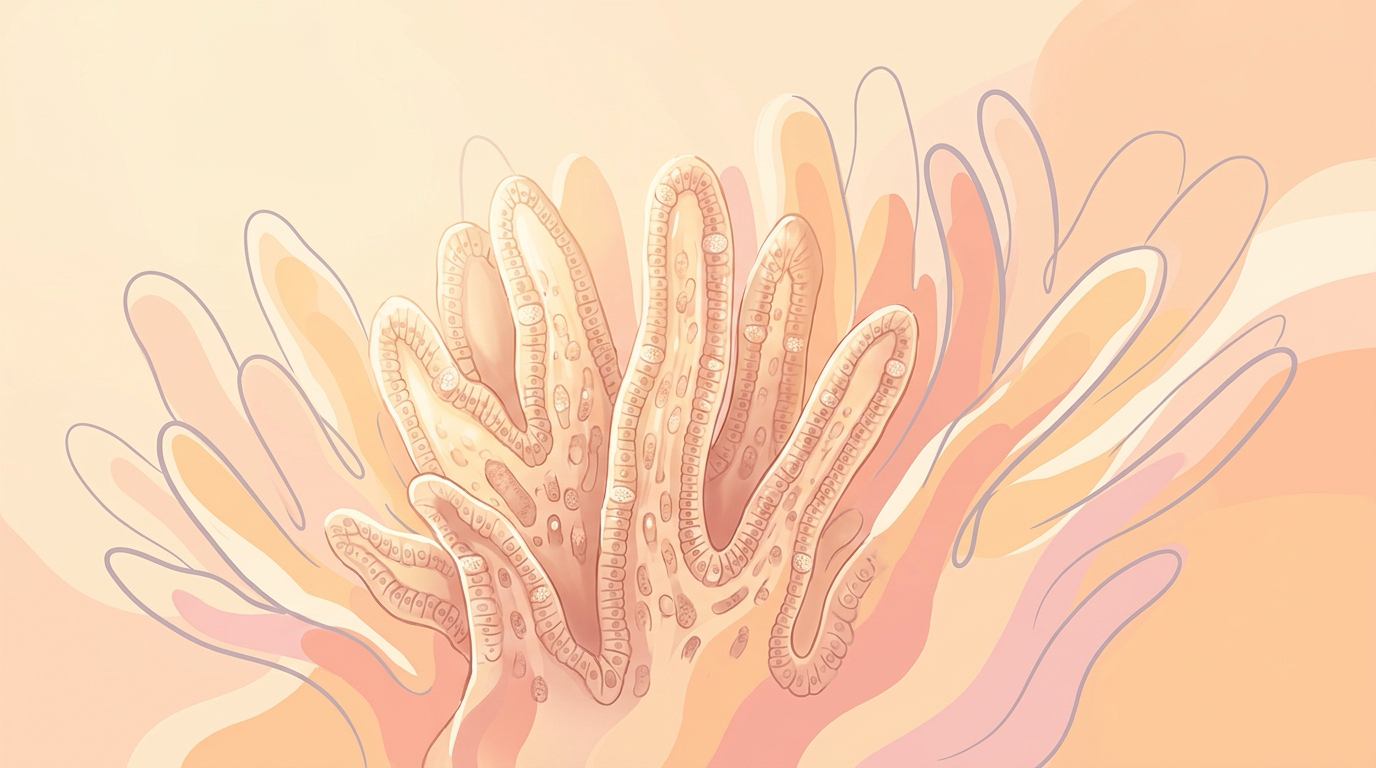
The gut-brain axis is a physical and chemical communication network linking the central nervous system to the digestive tract. Trillions of microbes in the gut produce neurotransmitters that travel to the brain. When this microbial balance is disrupted, it triggers systemic inflammation that directly impairs cognitive function and focus.
This bidirectional highway connects the brain to the enteric nervous system, primarily through the vagus nerve. The National Institutes of Health (2026) explains that a weakened gut-brain connection contributes directly to memory loss nih.gov. The brain relies heavily on the digestive system to produce essential chemicals. When the gut experiences distress, the brain receives warning signals that prioritize immediate survival over complex problem-solving.
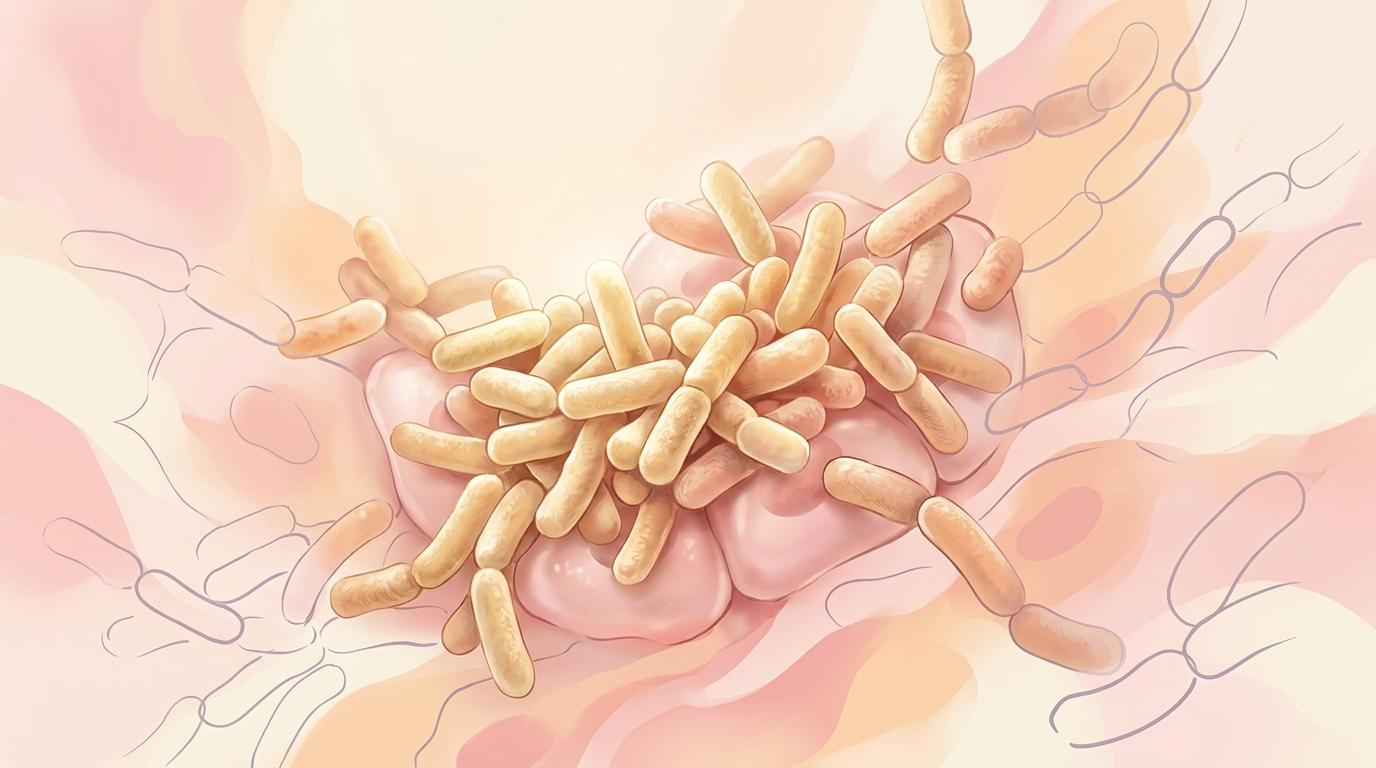
The gut microbiome interacts with virtually every hormonal system in the body, operating almost like an independent endocrine organ healthpath.com. It produces a massive portion of the body's serotonin and dopamine. If the digestive tract lacks bacterial diversity, the production of these crucial neurotransmitters drops significantly. This deficiency manifests as the sluggishness, poor recall, and inability to concentrate that characterize brain fog. The relationship between digestion and mental clarity is so profound that researchers increasingly refer to the gut as the body's second brain.
Up to 90% of the body's serotonin is produced in the digestive tract, illustrating why gut health is a primary driver of mental wellbeing.
How does the gut-brain axis actually cause brain fog?
Brain fog occurs when an imbalanced microbiome releases inflammatory molecules and toxins that leak into circulation and reach the brain. This neuroinflammation disrupts neuron communication, leading directly to the mental fatigue and forgetfulness that people experience during cognitive slumps mfm.au.
Researchers emphasize that this is a measurable physical process, rather than a vague psychological state. Dr. Christoph A. Thaiss (2026) reports that specific fatty acids produced by gut bacteria drive inflammation in myeloid cells, actively impairing signaling via the vagus nerve nih.gov. When the lining of the gut becomes overly permeable, undigested food particles and bacterial toxins enter the bloodstream. The immune system views these particles as dangerous invaders, triggering a state of chronic, low-grade inflammation.
These inflammatory cytokines can cross the blood-brain barrier. Once inside the brain, they slow down the speed at which neurons communicate and process information mfm.au.
| Factor | Healthy Gut Microbiome | Imbalanced Microbiome |
|---|---|---|
| Vagus Nerve | Strong, clear signaling | Impaired signaling and inflammation |
| Inflammatory Markers | Contained locally | Systemic leakage to the brain |
| Metabolite Release | Protective neurochemicals | Harmful neurotoxins |
| Mental State | Sharp recall and focus | Slower processing and fatigue |
A 2026 review by researchers Aslam H and Samantha L. Dawson analyzed 80 controlled clinical trials covering 13 distinct dietary interventions, confirming that the gut microbiota act as key mediators of brain-related health outcomes pubmed.ncbi.nlm.nih.gov. When harmful bacteria dominate the digestive tract, the brain's metabolic efficiency drops. This internal environment makes even simple mental tasks feel completely exhausting.
 Visual representation of inflammatory markers crossing the blood-brain barrier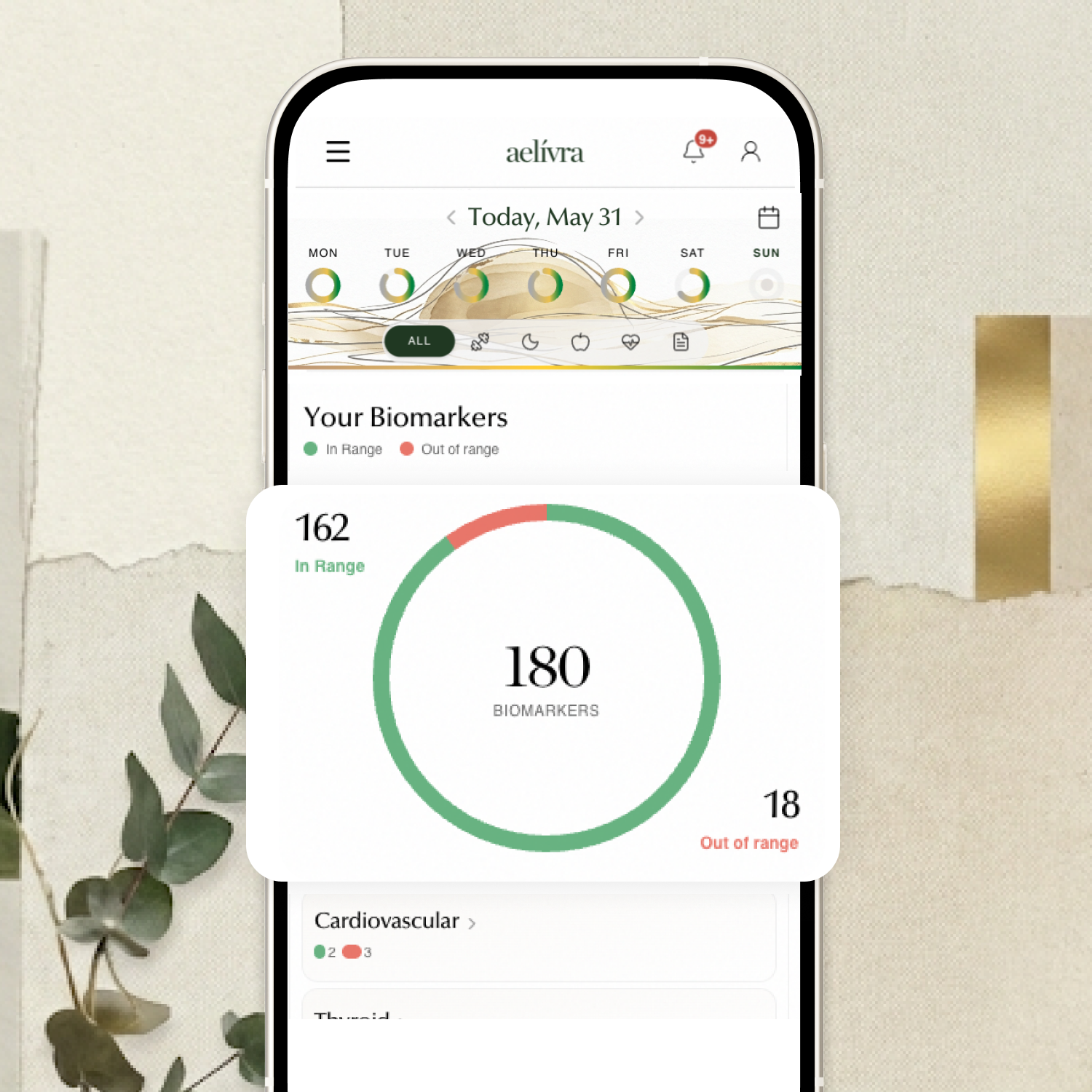
Blood work, scans, test results, medical reports — finally in one place and connected to how you actually feel. aelívra tracks biomarkers and health records over time, so you can see what's trending in the right direction and walk into your next appointment knowing exactly what to discuss.
Can a weakened vagus nerve cause memory loss?
Yes, a weakened vagus nerve directly causes memory loss by hindering communication between the gut and the brain. When this vital nerve pathway degrades due to aging or bacterial changes, the brain struggles to process memory tasks effectively and cognitive performance drops nih.gov.
The vagus nerve functions as a massive fiber-optic cable, relaying real-time updates from the digestive system to the brain's emotional and cognitive centers. Dr. Christoph A. Thaiss (2026) reports that changes to gut bacteria in aging mice hindered this communication, leading to noticeably worse performance on memory tasks within just one month nih.gov. The study revealed that a specific type of bacteria called Parabacteroides goldsteinii exhibited massive increases during aging, correlating strongly with worse cognitive test performance.
The structural integrity of the gut directly dictates how efficiently the brain forms and retrieves memories. A 2026 study of 260 older adults aged 60 and older demonstrated that specific microbial-encoded metabolic pathways correlate closely with worse cognitive performance pmc.ncbi.nlm.nih.gov. Pathways involved in the urea cycle and polyamine synthesis showed a particular impact on mental clarity.
When the vagus nerve experiences chronic inflammation from gut dysbiosis, the signals it sends become erratic. The brain receives distorted information, which severely limits capacity to encode new memories or recall existing information smoothly.
The vagus nerve is the longest cranial nerve in the body, functioning as a massive two-way communication line between the brainstem and the abdomen.
What are the signs your brain fog is coming from your gut?
Gut-derived brain fog typically presents alongside physical digestive symptoms like bloating, gas, or changes in bowel habits. A defining sign is a sharp drop in mental clarity 30 to 60 minutes after eating, as the body struggles to process food and manage localized inflammation healthpath.com.
People often assume they are simply tired from a long workday, but gut-driven cognitive fatigue feels noticeably different. It usually involves difficulty finding words and a heavy feeling in the head that persists regardless of how many hours of sleep occur. Claudio Tana (2025) reports that across 21 studies, patients with mild cognitive impairment consistently demonstrate reduced short-chain fatty acid-producing bacteria pubmed.ncbi.nlm.nih.gov.
The gut microbiome also houses the estrobolome, a collection of bacterial genes capable of metabolizing estrogens. This means the gut interacts heavily with the endocrine system healthpath.com. When the gut falls out of balance, hormonal cascades involving thyroid hormones, cortisol, and insulin become dysregulated.
During a gut flare-up, the body spends excessive energy on digestion and immune defense.
This massive energy diversion leaves the brain's prefrontal cortex starved of glucose and oxygen. The resulting metabolic deficit explains why people often feel they are thinking through thick molasses after eating a triggering meal.
 Person logging daily energy and digestion patterns on a mobile device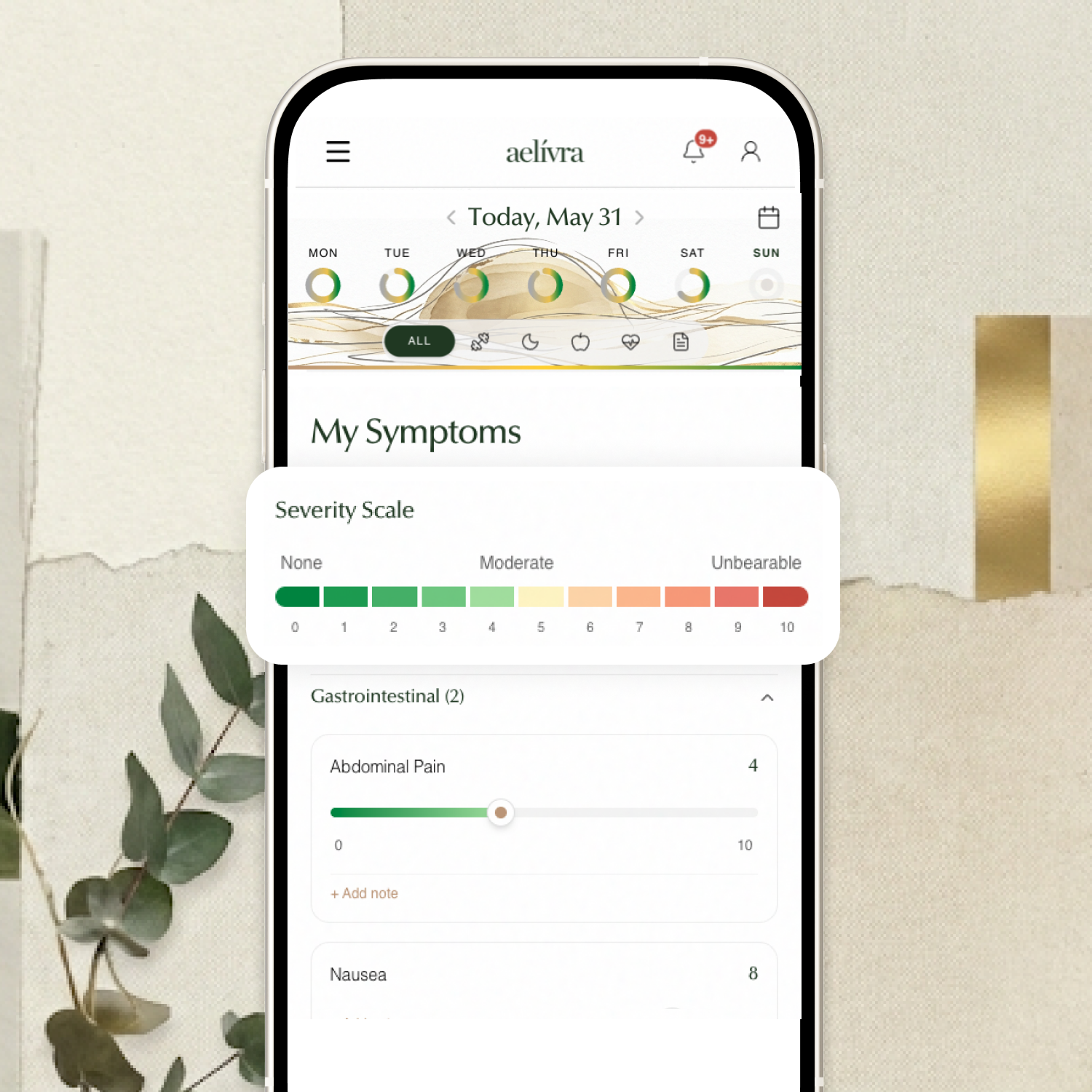
Every check-in brings you closer to answers. Effortlessly build a clear picture of energy, mood, pain, and sleep over time — so you can see exactly what's improving, what's not, and feel confident you're doing the right things to feel better.
Which gut-friendly foods improve mental clarity?
Foods rich in dietary fiber, antioxidants, and omega-3 fatty acids actively reduce neuroinflammation and clear brain fog. These specific nutrients support the production of short-chain fatty acids, which fuel beneficial gut bacteria and protect the central nervous system from inflammatory damage pmc.ncbi.nlm.nih.gov.
The Mediterranean diet consistently reduces neuroinflammation and supports robust gut-brain communication pubmed.ncbi.nlm.nih.gov. In contrast, Western-style diets high in processed sugar nourish the specific strains of bacteria that promote inflammation and weaken the intestinal barrier. Consultant Gastroenterologist Dr. Sarmed Sami (2025) notes that a healthy, diverse gut microbiome can significantly enhance cognitive function and reduce anxiety mayoclinichealthcare.co.uk.
Rebuilding mental clarity requires a concerted effort to diversify plant intake. Dietary components like complex carbohydrates and polyphenols act as prebiotics, selectively feeding the helpful bacteria that produce protective neurochemicals.
Patients often see significant improvements when they temporarily eliminate common gut irritants while simultaneously increasing intake of fermented foods and varied plant fibers. Research confirms that modulating the microbiota through targeted dietary interventions offers a highly promising avenue for preventing severe cognitive decline pubmed.ncbi.nlm.nih.gov. By feeding the right microbes, people directly lower the inflammatory burden on the brain.
Adding a tablespoon of fermented food like sauerkraut or kimchi into daily meals introduces beneficial bacteria that help dampen systemic inflammation.
Common questions about the gut and brain fog
How long does it take to clear brain fog with diet? Most people begin to notice improvements in mental clarity within a few weeks of consistent dietary changes pubmed.ncbi.nlm.nih.gov. However, fully restoring the gut microbiome and repairing the intestinal lining requires several months of sustained nutritional support.
Can stress cause brain fog through the gut? Yes, chronic stress negatively impacts the gut microbiome and its connection to mental health mayoclinichealthcare.co.uk. High stress levels signal the gut to increase permeability, triggering the same systemic inflammatory brain fog as a poor diet.
Do probiotics help with focus and memory? Specific dietary interventions, including probiotics, are strongly associated with positive changes in gut microbiota and cognitive biological markers pubmed.ncbi.nlm.nih.gov. They serve as a helpful, targeted tool when combined with a diverse, fiber-rich diet.
Why do I feel foggy after eating specific foods? Western-style diets high in fat, sugar, and processed foods have an immediate negative effect on brain fog management pubmed.ncbi.nlm.nih.gov. These foods cause rapid spikes in neuroinflammation and blood sugar, leading to noticeable cognitive crashes shortly after eating.
For more information, explore our guides on understanding chronic fatigue vs burnout and allergy vs sensitivity vs intolerance.
Sources

Cameron founded aelívra after years of living an unknown no one could answer — navigating chronic health complexity through a medical system that wasn't built for it. That experience became a conviction: everyone deserves to feel truly alive, and no one should have to accept not knowing as a way of life. His work sits at the intersection of data science and functional health and wellbeing, turning the latest trusted medical research across news, health, wearables, biomarkers, and more into advice everyday people can use on their journeys toward feeling better. Every article is grounded in peer-reviewed evidence and linked to its primary source. This content is for informational purposes only and does not replace medical advice.