Summary at a glance
Targeted probiotic supplementation significantly lowers systemic inflammatory markers like IL-6 and hs-CRP by modulating the gut-immune axis.
Vitamin D requires precise dosing guided by biomarker data, as excessive intake of fat-soluble vitamins causes toxicity and cellular damage.
Nearly half of adults fail to meet baseline physical activity targets, which heavily undermines the effectiveness of any immune supplement routine.
Lifestyle medicine protocols treat restorative sleep and plant-predominant nutrition as mandatory co-factors for immune resilience.
Tracking personal health records and symptoms reveals exact nutrient deficiencies, eliminating the need for expensive, scattergun supplementation.
This article discusses dietary supplements, lifestyle interventions, and immune markers for informational purposes. It is not a substitute for professional medical advice, diagnosis, or treatment. Always consult your healthcare provider before beginning a new supplement routine, especially if you manage autoimmune conditions or track specific inflammatory biomarkers.
Which Immune Supplements Actually Work According to 2026 Research?
High-quality probiotics, precision-dosed vitamin D, and essential micronutrients like zinc and vitamin C are the most effective immune supplements when guided by recent clinical data. Rather than randomly taking megadoses, the focus now lies on correcting specific deficiencies to actively modulate inflammatory markers and support cellular defense.
Many people spend the colder months cycling through over-the-counter remedies without knowing what their immune system actually needs. This scattergun approach wastes money and ignores the real mechanisms driving immune resilience. Modern clinical reviews confirm that the immune system acts as a lifelong guardian of health, heavily reliant on consistent micronutrient support eprints.soton.ac.uk. When your body lacks the right raw materials, white blood cell production slows down and recovery takes significantly longer.
The World Health Organization emphasizes that consuming a healthy diet throughout the life-course prevents malnutrition and a wide range of chronic conditions who.int. However, modern diets often fall short of optimal nutrient density. Strategic supplementation steps in to bridge this gap, providing the exact chemical co-factors required for immune cells to communicate and respond to threats efficiently.
Can Probiotics Really Lower Your Systemic Inflammation Markers?
Yes, specific probiotic strains directly communicate with the gut-immune axis to reduce systemic inflammation. They train immune tissues in the intestinal lining to distinguish between harmless compounds and genuine pathogens, lowering the chronic inflammatory load.
A significant portion of your immune function originates in the digestive tract. If the gut barrier becomes compromised, foreign particles enter the bloodstream and trigger constant, low-grade immune reactions. Related issues, like those explored in our guide to Histamine Intolerance: The Hidden Trigger Behind Hives, Headaches, and Gut Issues, demonstrate how gut health dictates systemic responses.
According to a 2026 systematic review, autoimmune diseases affect 5-10% of the global population, and targeting the microbiome offers a clear path for relief pubmed.ncbi.nlm.nih.gov. Dr. Chiou YY, from the National Cheng Kung University Hospital, notes that "oral probiotic supplementation lowers the levels of some inflammatory markers, including IL-6, IL-10, TNFα, and hs-CRP" pubmed.ncbi.nlm.nih.gov.
Calming this systemic inflammation allows the immune system to allocate resources toward actual pathogens instead of fighting an internal battle. When beneficial bacteria thrive, they produce short-chain fatty acids that signal immune cells to calm down, accelerating recovery and reducing symptom severity.
Probiotics work best when paired with prebiotic fibers from a plant-predominant diet, which feed the beneficial bacteria so they can successfully colonize the gut.
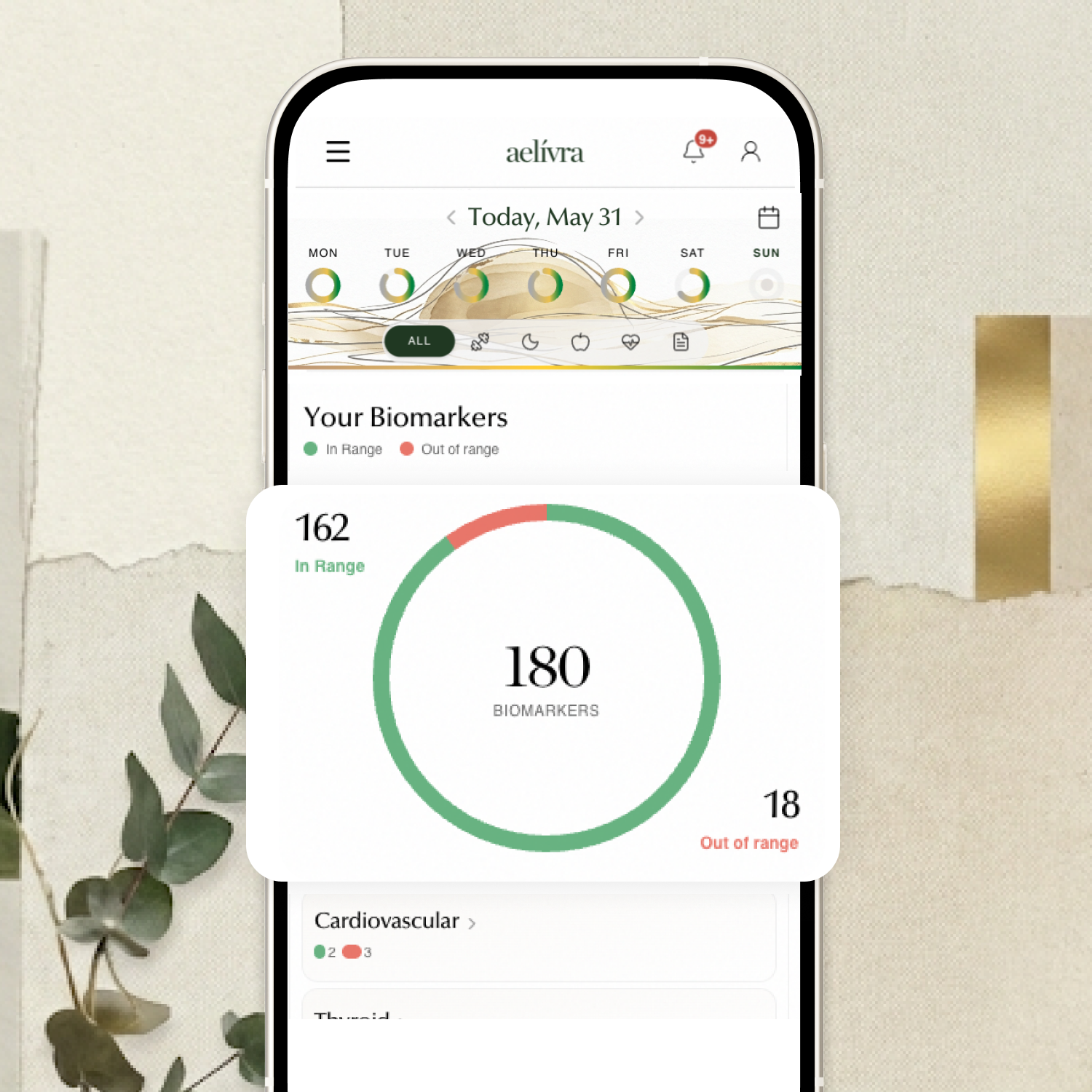
Blood work, scans, test results, medical reports — finally in one place and connected to how you actually feel. aelívra tracks biomarkers and health records over time, so you can see what's trending in the right direction and walk into your next appointment knowing exactly what to discuss.
What Are the Risks of High-Dose Vitamin D and Zinc Supplementation?
Taking massive, unmeasured doses of fat-soluble vitamins like vitamin D can trigger toxicity and calcium buildup in the blood. Similarly, excess zinc can interfere with copper absorption, creating an entirely new cellular imbalance while attempting to fix another.
The Office of Dietary Supplements points out that specific dietary supplements play a central role in immune function and managing infectious diseases ods.od.nih.gov. However, more is rarely better. People often megadose vitamin C and zinc the moment they feel a sore throat. While the body simply excretes excess water-soluble nutrients like vitamin C, fat-soluble vitamins accumulate in tissues.
Medical experts usually recommend food as the foundational source for vitamins and minerals, warning that getting too many nutrients in pill form causes harm webmd.com. For example, chronic over-supplementation of vitamin D forces the body to absorb too much calcium, leading to kidney stones and vascular calcification.
Precision matters. Testing your baseline blood levels before starting a high-dose regimen ensures you provide exactly what your cells need to function, avoiding the toxic burden of clearing excess synthetic compounds from your system.
Never guess your vitamin D dosage. Always request a 25-hydroxyvitamin D blood test to establish your baseline before starting a new supplement.
How Do Your Daily Movement and Sleep Habits Change Supplement Efficacy?
A supplement cannot override the immune-suppressing effects of chronic sleep deprivation or a completely sedentary lifestyle. Regular movement and restorative sleep create the physiological environment necessary for vitamins and minerals to reach cells and function correctly.
The American College of Lifestyle Medicine (2025) lists restorative sleep, physical activity, and plant-predominant nutrition among its core intervention pillars cdn.megawecare.com. You simply cannot out-supplement a burned-out nervous system. Unfortunately, the Australian Department of Health (2026) reports that 46 per cent of Australian adults do not do enough physical activity health.gov.au.
This lack of movement creates a domino effect on your health data. Assistant Minister The Hon Rebecca White MP points out that how we move during the day affects how well we sleep, which then dictates our energy and recovery capacity health.gov.au. Without adequate circulation from exercise, immune cells struggle to patrol the body effectively.
Finding the answers to why you feel run down requires looking at the total picture. aelívra maps your sleep, diet, stress, and symptoms against each other, turning weeks of health data into clean visual summaries. This allows you to walk into appointments with clear patterns rather than vague complaints, helping your doctor pinpoint exactly which lifestyle adjustments will make your supplements actually work.
 Person tracking their daily sleep and movement habits on a mobile device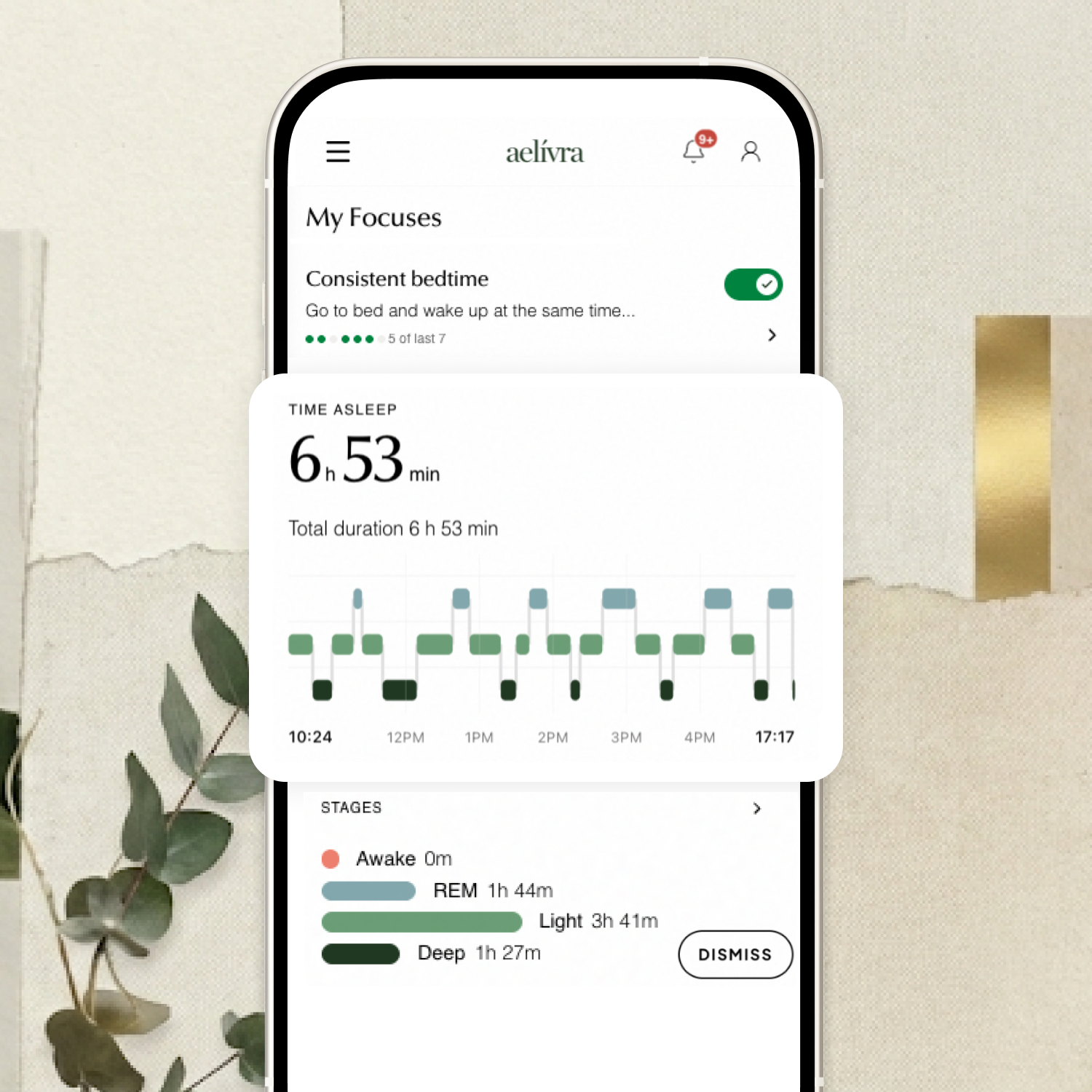
Get the rest you've always deserved. aelívra connects your sleep quality to your daytime energy, mood, and symptoms — then gives you practical steps based on your own patterns so you can finally get restorative rest, not just hours in bed.
How Should You Use Biomarker Data to Choose Your Immune Routine?
Biomarker data removes the guesswork from supplementation by revealing exactly which nutrients your body lacks and which inflammatory pathways are overactive. Tracking these metrics over time ensures you only take what you actively need for recovery.
When you measure markers like high-sensitivity C-reactive protein (hs-CRP) alongside vitamin D levels, you build an accurate picture of your internal terrain. This strategic tracking shifts your approach from hoping a pill works to knowing your resilience is improving.
| Supplement | Primary Immune Role | Best Monitored Via |
|---|---|---|
| Probiotics | Gut-immune axis modulation | Inflammatory markers (hs-CRP, IL-6) |
| Vitamin D | T-cell activation and defense | Serum 25-hydroxyvitamin D |
| Zinc | Macrophage function and repair | Serum zinc levels |
| Omega-3s | Resolving acute inflammation | Omega-3 index, lipid panels |
Using clinical records to guide your purchases saves money and protects your liver from processing unnecessary compounds. It empowers you to build a highly specific routine that adapts as your health improves.
Schedule your blood tests for the same time of day and under the same fasting conditions to ensure your biomarker tracking remains accurate and comparable over time.
Frequently Asked Questions
Do I need an immune supplement if my blood work is normal?
If your biomarker levels are optimal and your lifestyle supports deep recovery, you likely get enough nutrients from food. Supplements work best for correcting measured deficiencies or supporting periods of unusually high physical stress.
Can probiotics help if I constantly catch colds?
Yes. A large portion of your immune system lives in the gut, and high-quality probiotics support the gut barrier. This reduces systemic inflammation and frees up immune resources to fight off actual cold viruses.
What time of day is best for taking vitamin D?
Because vitamin D is a fat-soluble nutrient, taking it with a meal that contains healthy fats improves cellular absorption significantly. Taking it earlier in the day may also prevent potential interference with your natural sleep drive.
Sources

Cameron founded aelívra after years of living an unknown no one could answer — navigating chronic health complexity through a medical system that wasn't built for it. That experience became a conviction: everyone deserves to feel truly alive, and no one should have to accept not knowing as a way of life. His work sits at the intersection of data science and functional health and wellbeing, turning the latest trusted medical research across news, health, wearables, biomarkers, and more into advice everyday people can use on their journeys toward feeling better. Every article is grounded in peer-reviewed evidence and linked to its primary source. This content is for informational purposes only and does not replace medical advice.