Summary at a glance
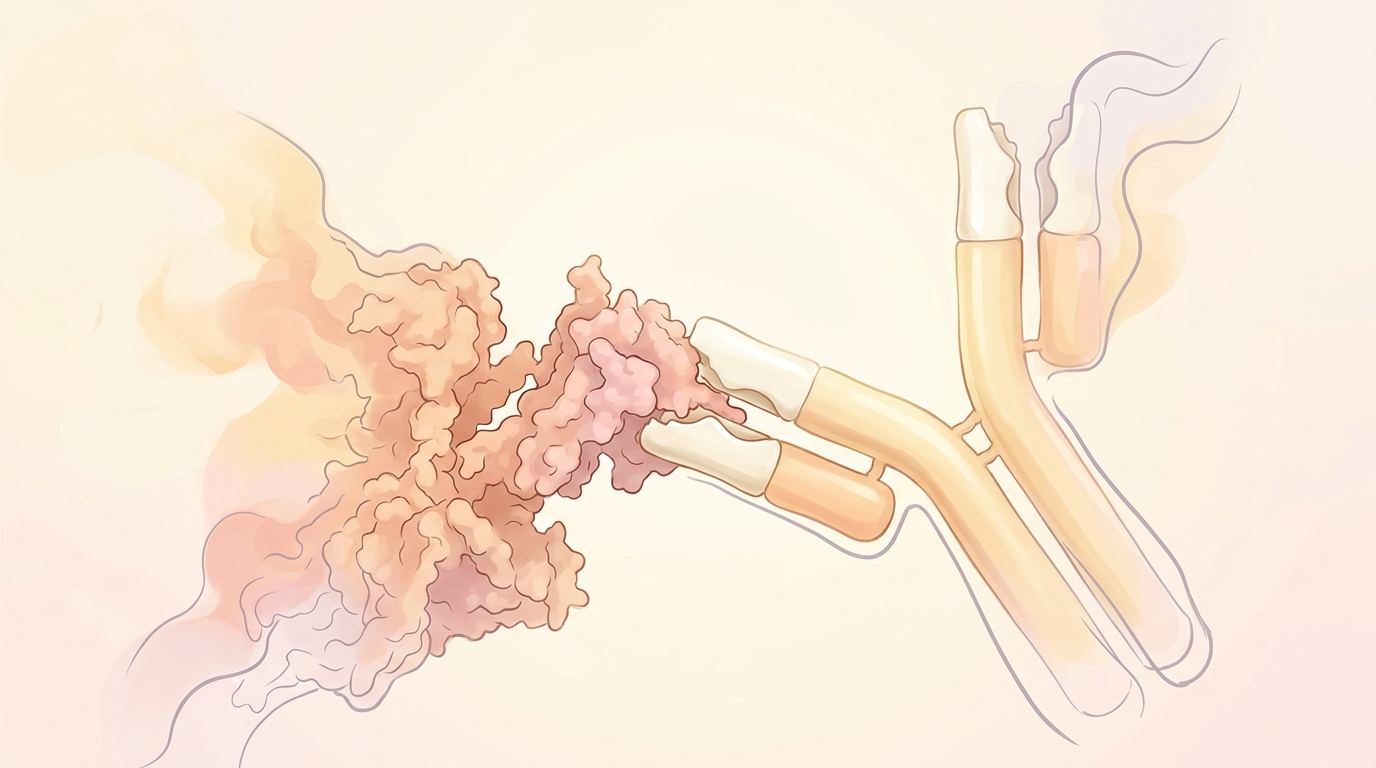
Histamine intolerance occurs when the body lacks the DAO enzymes needed to break down dietary histamine, leading to an overflow of symptoms.
Unlike food allergies which trigger immediate reactions, histamine overload causes delayed symptoms that can take days to surface.
Fluctuating hormones during the menstrual cycle and perimenopause heavily impact symptom severity by suppressing enzyme activity.
Aged, fermented, and leftover foods contain the highest levels of histamine and act as the primary dietary triggers.
The information provided is for educational purposes only and does not replace professional medical advice. Histamine intolerance and conditions involving DAO enzymes or MTHFR genetic variations should be evaluated by a qualified healthcare provider. Consult a medical professional before beginning restrictive elimination diets or starting new tracking protocols.
What Is Histamine Intolerance and Why Does It Cause Random Symptoms?
Histamine intolerance is a condition where the body accumulates more histamine than it can break down, leading to unpredictable symptoms like hives, headaches, and digestive distress. This happens when the diamine oxidase (DAO) enzyme underperforms, causing a biological overflow often referred to as the "histamine bucket" pubmed.ncbi.nlm.nih.gov.
Histamine is a normal chemical that plays a vital role in immune responses and digestion. Problems arise when the body loses its ability to process it efficiently. Jochum C at Charité-Universitätsmedizin Berlin (2024) explains that this accumulation creates sporadic and non-specific symptoms that extend far beyond the digestive tract pubmed.ncbi.nlm.nih.gov.
Food sensitivities are incredibly common, but pinning down the exact cause takes time. A 2025 study in the International Journal of Molecular Sciences reports that self-reported food intolerances affect 15-20% of the population pubmed.ncbi.nlm.nih.gov. Digging deeper, a 2024 report by The IBS Dietitian notes that around 1-3% of people specifically have histamine intolerance theibsdietitian.com. These numbers highlight how many people live with unexplained reactions every single day.
Histamine is a natural compound the immune system uses to communicate, but when the body cannot clear it fast enough, it behaves like a toxin.
How Can You Tell the Difference Between a Food Allergy and Histamine Intolerance?
Food allergies trigger an immediate, life-threatening immune response to specific proteins, whereas histamine intolerance causes delayed, cumulative symptoms based on total histamine consumed. An allergy happens instantly, but histamine overload can take days to surface theibsdietitian.com.
The difference between the two often traps patients in a frustrating cycle of medical appointments. Someone might experience severe skin flushing or stomach pain after eating, only for standard allergy blood work to come back completely normal. This happens because allergy panels look for IgE antibodies, which do not play a role in histamine intolerance.
Understanding the mechanics helps explain why symptoms feel so random.
| Feature | Food Allergy | Histamine Intolerance |
|---|---|---|
| Onset Timing | Immediate (minutes to hours) | Delayed (hours to days) |
| Body Mechanism | IgE antibody immune response | DAO or HNMT enzyme deficiency |
| Primary Trigger | Specific protein (like peanut or shellfish) | Total histamine load across many meals |
| Clinical Severity | Potentially life-threatening (anaphylaxis) | Highly uncomfortable but rarely fatal |
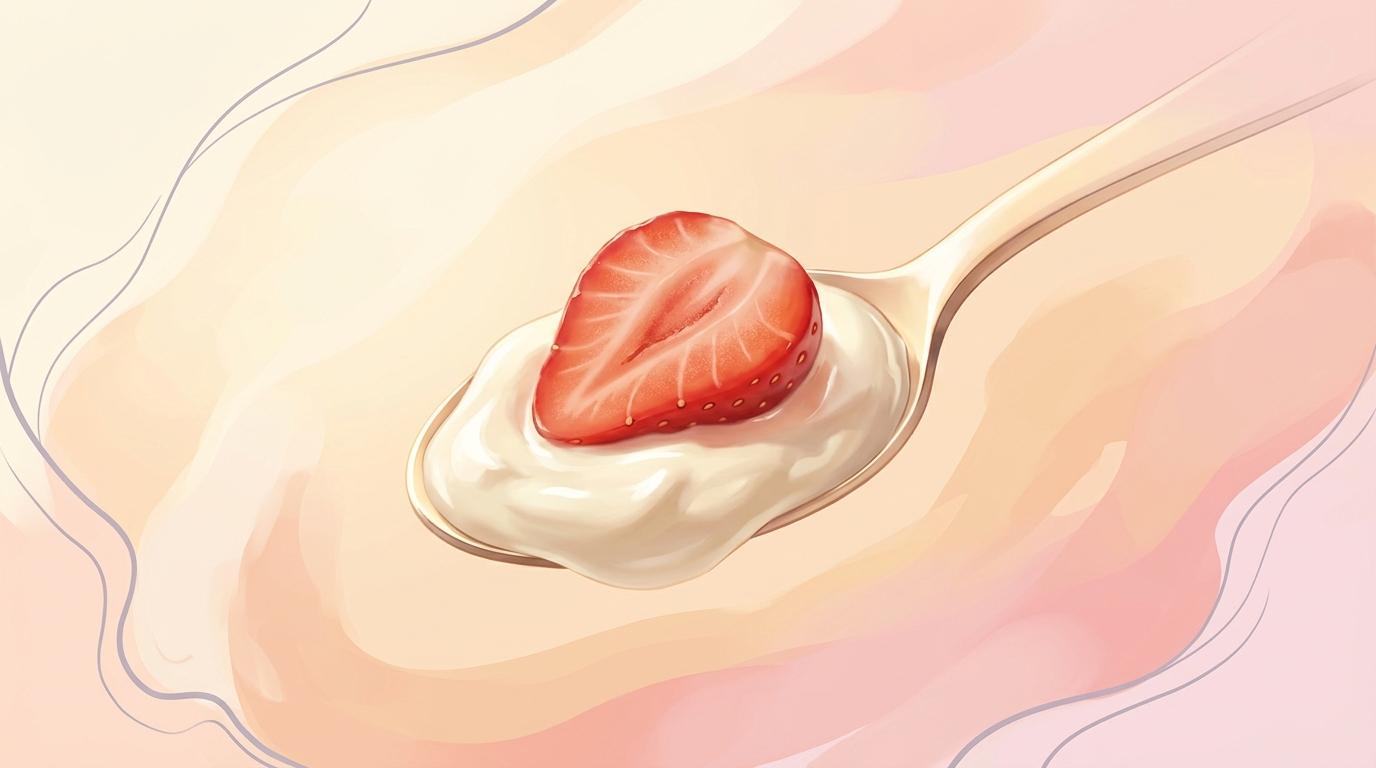
When a person eats a strawberry one day and feels fine, but eats it the next day and breaks out in hives, they are likely experiencing a threshold issue rather than a true allergy.
 A comparison showing the difference between immediate allergy mechanisms and delayed histamine reactions
Uncover what you've been searching for. aelívra guides you through wellbeing explorations across sleep, diet, stress, symptoms and more so you can finally act on what's actually going on, one day at a time, every step at your own pace.
Why Do Histamine Symptoms Get Worse During Your Period or Menopause?
Oestrogen and histamine drive each other in a continuous cycle. High oestrogen levels stimulate mast cells to release more histamine and simultaneously suppress the DAO enzymes needed to clear it, making symptoms much more severe during ovulation, menstruation, or perimenopause library.sheffieldchildrens.nhs.uk.
Many track their food meticulously without realising hormones are the actual hidden variable. The British Dietetic Association (2025) confirms that fluctuating hormones significantly impact histamine symptoms library.sheffieldchildrens.nhs.uk. As oestrogen rises midway through the menstrual cycle, it fills the histamine bucket before a single bite of food is eaten.
This hormonal interplay explains why some people suddenly develop intense food sensitivities during perimenopause. As hormones swing unpredictably, the body loses its steady rhythm of histamine breakdown. Tracking cycles alongside meals reveals these hidden patterns. Related article: Thyroid Fatigue: The Overlooked Signs.
Can You Test Your DAO Enzyme Levels With a Blood Test?
Yes, DAO enzyme activity can be tested through a blood test to measure how well the body processes histamine. However, because DAO is primarily produced in the gut, blood levels only provide a partial picture of true digestive capacity creative-enzymes.com.
A DAO activity test looks at the first line of defence against dietary histamine. When this enzyme lacks activity, excess histamine accumulates in the blood, driving symptoms like chronic headaches and eczema synlab-sd.com. Yet, enzymes are only part of the story. Genetics play a massive role in how the body handles chemical stress.
Jacob Wolf, ND, LAc, at University Hospitals (2026), reports that about half of the population has at least one MTHFR gene variation uhhospitals.org. This genetic difference slows down how the body uses folate, which directly affects the internal pathways responsible for clearing histamine. If testing DAO levels does not provide clear answers, looking into genetic markers may help explain persistent fatigue and food intolerances.
If standard allergy tests show nothing but hives and headaches still occur after eating, a DAO activity test may offer missing clues.
What Are the Most Common High-Histamine Foods to Avoid?
Aged, fermented, and leftover foods contain the highest levels of histamine. The most common triggers include aged cheeses, red wine, processed meats, sauerkraut, and foods left in the fridge for several days, as histamine levels increase as food ages bda.uk.com.
Eating a low-histamine diet requires a shift in how meals are bought and prepared. Freshness is the most important factor. Meat dishes must be freshly cooked because ageing rapidly increases amine levels bda.uk.com.
Histamine holds the highest toxic potential among biogenic amines when the body cannot break it down pmc.ncbi.nlm.nih.gov. Planning meals around fresh ingredients helps keep daily intake well below the symptom threshold.
How Does Your Gut Microbiome Affect Your Histamine Threshold?
The gut microbiome dictates the baseline histamine threshold. Some gut bacteria naturally produce histamine, while a healthy, diverse microbiome helps degrade it. If the gut lacks diversity or has an overgrowth of histamine-producing bacteria, the internal bucket fills up much faster library.sheffieldchildrens.nhs.uk.
Digestive health forms the absolute foundation of histamine management. The DAO enzyme lives primarily in the epithelial cells of the small intestine creative-enzymes.com. When gut inflammation damages this delicate lining, the body simply cannot produce enough enzymes to handle a normal diet.
The British Dietetic Association (2025) outlines that restricted gut microbiota directly contributes to vasoactive amine sensitivity library.sheffieldchildrens.nhs.uk. Taking steps to support gut healing often expands what a person can eat. While standard allergy tests might miss the connection, improving gut diversity directly improves the symptom threshold over time. Related article: Allergy vs Sensitivity vs Intolerance.
Healthy fermented foods like kombucha and kimchi are great for general gut health, but they act as massive triggers when the DAO enzymes required to process them are missing.
What Is the Best Way to Reintroduce Foods After a Low Histamine Diet?
The safest way to reintroduce foods is to test one low-histamine item at a time over three days while tracking physical reactions. Because histamine reactions are delayed, waiting 72 hours ensures capturing the true physiological response before adding another variable theibsdietitian.com.
Elimination diets are investigative tools, not permanent lifestyles. Staying on a highly restrictive diet long-term starves the gut microbiome, which ironically lowers histamine tolerance even further. The goal is to identify unique triggers and determine exactly how much of a specific food the body can tolerate.
aelívra helps map these specific connections — not just daily food logs, but the patterns linking meals, stress, and sleep to physical feelings. By tracking the symptom timeline, it becomes clear when a food tips the balance, bringing certainty to the reintroduction phase.
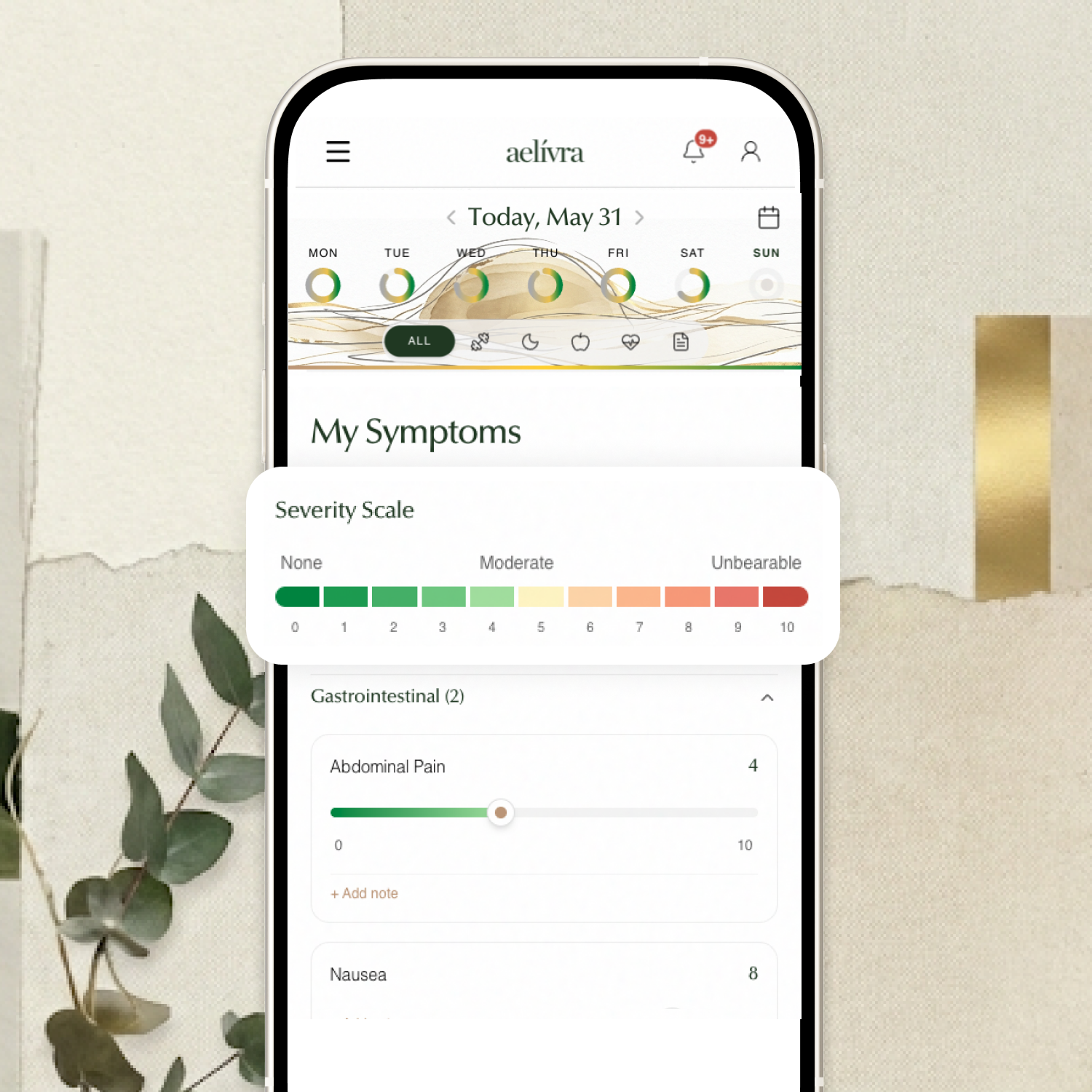
Every check-in brings you closer to answers. Effortlessly build a clear picture of energy, mood, pain, and sleep over time — so you can see exactly what's improving, what's not, and feel confident you're doing the right things to feel better.
Frequently Asked Questions
How long does it take to clear histamine from the body? It typically takes three to four weeks on a strict low-histamine diet for the body to fully empty its reserves. Once baseline inflammation drops, tolerance can be slowly tested.
Can probiotics cure histamine intolerance? Probiotics cannot cure the condition, and some bacterial strains actually produce histamine. Specific histamine-degrading strains must be selected to safely support the gut without triggering symptoms.
Why do leftovers cause severe headaches? Histamine levels in food rise rapidly the longer it sits in the fridge. Freezing meals immediately after cooking prevents this chemical buildup and keeps the food safe to eat.
Sources

Cameron founded aelívra after years of living an unknown no one could answer — navigating chronic health complexity through a medical system that wasn't built for it. That experience became a conviction: everyone deserves to feel truly alive, and no one should have to accept not knowing as a way of life. His work sits at the intersection of data science and functional health and wellbeing, turning the latest trusted medical research across news, health, wearables, biomarkers, and more into advice everyday people can use on their journeys toward feeling better. Every article is grounded in peer-reviewed evidence and linked to its primary source. This content is for informational purposes only and does not replace medical advice.