Summary at a glance
Core sleep refers to the N1 and N2 light sleep stages and makes up the majority of a typical night.
Deep sleep, or the N3 stage, is heavily focused on physical tissue repair and immune system recovery.
Wearables use the term 'core' to group foundational light rest stages apart from deep and REM cycles.
Environmental factors like room temperature and light exposure heavily dictate the transition from light to deep rest.
This article provides informational content on sleep architecture and recovery metrics. It is not intended as a substitute for professional medical advice, diagnosis, or treatment for sleep disorders like insomnia or sleep apnea.
Is Core Sleep the Same as Light Sleep?
Core sleep refers to the light sleep stages, clinically known as N1 and N2, which make up the majority of a typical night. Deep sleep, or stage N3, is the physical restoration phase where breathing slows and muscle repair occurs. Both are essential for complete recovery.
When checking wearable data, the term core sleep often creates confusion. Tech companies use this label to group the first two stages of the sleep cycle together bgr.com. This grouping distinguishes the lighter, foundational rest from the heavier restorative stages.
During N1, the body drifts in and out of wakefulness. This stage acts as a quick bridge and usually only lasts a few minutes health.harvard.edu.
Stage N2 forms the bulk of the night. Here, the heart rate slows down and the body temperature drops slightly to prepare for deeper rest.
Deep rest is entirely different. Known as slow-wave sleep, this is when brain activity shifts into rolling delta waves ncbi.nlm.nih.gov. Waking someone from this stage requires significant effort.
Core sleep accounts for the majority of a typical night and is necessary for processing new information and stabilising daily memories.
How Do Core Sleep and Deep Sleep Compare?
The differences between these two states come down to their biological purpose. Light rest organises the mind, while slow-wave rest rebuilds the physical body.
A typical night involves four to six cycles, averaging 90 minutes each ncbi.nlm.nih.gov. Throughout these cycles, the ratio of light to heavy rest constantly shifts.
| Feature | Core Sleep (Light) | Deep Sleep (Slow-Wave) |
|---|---|---|
| Clinical Stages | N1 and N2 | N3 |
| Percentage of Night | 50% to 60% | 15% to 25% |
| Primary Function | Mental processing and memory filing | Muscle repair and immune regulation |
| Brain Activity | Theta waves and sleep spindles | Delta waves |
| Waking Difficulty | Very easy to awaken | Extremely difficult to awaken |
People often view light rest as wasted time. This perspective misses the mark. Without enough N2 rest, the brain struggles to process daily learning.
Deep rest handles structural maintenance. This phase releases human growth hormone to repair tissues.
 A person checking sleep tracking data on a smartwatch.
Why Does Core Sleep Matter for Brain Health?
Core sleep acts as the brain's cognitive filing system. During this phase, sudden bursts of brain activity called sleep spindles occur. These spindles help stabilise rest and process memories from the day bgr.com.
Harvard Health Publishing (2024) reports that poor sleep quality is linked to cardiovascular harm and an increased risk of stroke health.harvard.edu. Dr. Susan Redline notes that sleep disruptions prevent the body from getting adequate restorative rest, causing unhealthy blood pressure surges health.harvard.edu.
When people lack light rest, they often wake up feeling mentally scattered. The brain desperately needs this time to filter out unnecessary information. Without it, retaining new skills becomes incredibly difficult.
Wearables often highlight heavy rest scores, making people feel anxious when the number looks low. However, logging enough total time in N1 and N2 remains strictly necessary for mental clarity. The brain is not simply idling during this time.
 A smartphone displaying sleep cycle graphs and recovery metrics.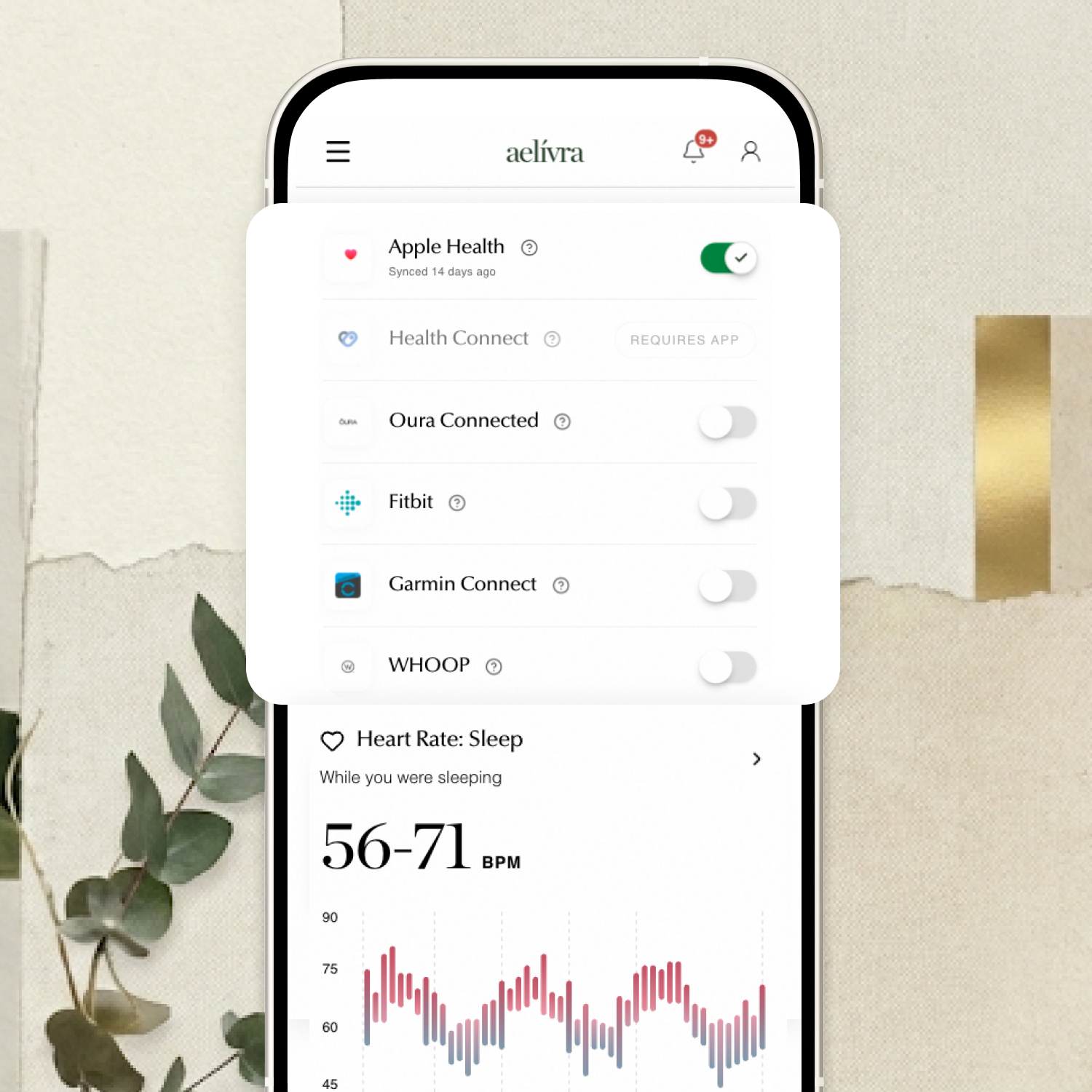
Make the most of your wearables. HRV, resting heart rate, and sleep stages can finally mean something. aelívra connects 500+ wearables and apps (Oura, Apple Health, Garmin, Fitbit, Whoop) and maps that data directly against how you actually feel — your syptoms and your wellbeing first, always.
How Much Deep Sleep Do You Really Need for Physical Recovery?
Healthy adults need about 15% to 25% of their total night in the N3 stage for adequate physical recovery. This equates to roughly 80 to 100 minutes of slow-wave rest per night health.harvard.edu.
Age significantly impacts these numbers. As people grow older, they naturally spend less time in the heaviest stages of rest ncbi.nlm.nih.gov. The body simply alters its architecture over time.
A 2026 study published in The Lancet involving 60,000 people found that adding just five extra minutes of sleep per day can add a year to the lifespan of those with poor habits ndtv.com. Small improvements in rest quality yield massive health benefits.
Prof Ulf Ekelund, who contributed to the study, highlighted that these positive lifestyle changes create wide-ranging public health impacts ndtv.com.
When a wearable shows a low score for heavy rest, daytime physical recovery often suffers. Lingering muscle soreness or frequent colds often stem from failing to reach this crucial stage. The immune system relies on this specific phase to repair and rebuild.
Deep sleep is when the body releases the majority of its human growth hormone, making it the most critical phase for repairing muscle tissue.
What Prevents Your Body from Moving into Deep Sleep?
Alcohol is a primary saboteur of restorative rest. While a drink might help someone lose consciousness quickly, it heavily fragments sleep architecture. The brain remains trapped in light rest and rarely transitions into the crucial N3 phase.
Stress plays a similarly disruptive role. Elevated daytime cortisol levels keep the nervous system on high alert long into the night. When the body senses danger, it prevents the descent into heavy rest as a basic protective mechanism.
Environmental factors matter immensely. A warm bedroom prevents the natural core temperature drop required to initiate slow-wave rest mayoclinichealthsystem.org. Exposure to bright screens before bed suppresses melatonin production, delaying the entire cycle mayoclinichealthsystem.org.
Many people wake up repeatedly throughout the night. This fragmentation breaks the 90-minute sleep cycles before they can finish their natural progression ncbi.nlm.nih.gov.
Connecting these disruptions to physical health reveals why some people never feel refreshed. Reading Why You Wake Up at 3 AM: Cortisol and Sleep Maintenance Insomnia provides deeper insights into these mid-night disruptions.
Alcohol acts as a severe sleep disruptor. It might induce sleep quickly, but it completely suppresses the restorative deep sleep phase.
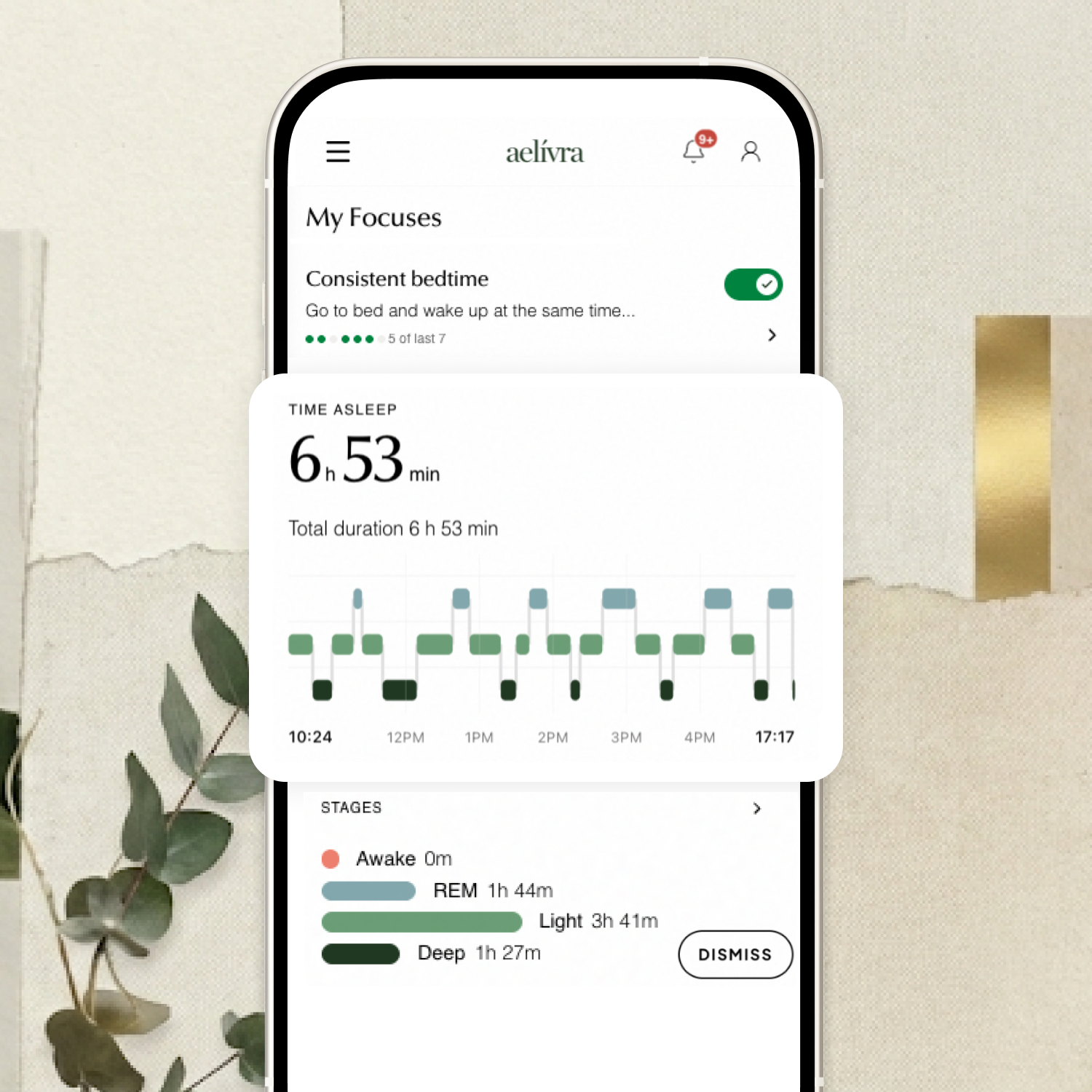
Get the rest you've always deserved. aelívra connects your sleep quality to your daytime energy, mood, and symptoms — then gives you practical steps based on your own patterns so you can finally get restorative rest, not just hours in bed.
Frequently Asked Questions
Is core sleep the same as light sleep?
Yes. Tech companies use the term core sleep to describe the N1 and N2 clinical stages of light sleep.
Why does an Apple Watch show core sleep instead of REM?
Wearables categorise data into awake, core, deep, and REM stages bgr.com. Core covers the foundational light rest, while REM is tracked separately for dream-state rest.
Can a person survive on only core sleep?
While light rest handles memory and cognitive function, missing out on heavy rest entirely leads to physical breakdown, poor immune function, and severe fatigue.
How can someone get more deep sleep?
Maintaining a cool bedroom, sticking to a consistent schedule, and avoiding alcohol before bed are the most effective ways to encourage heavier rest cycles.
Sources

Cameron founded aelívra after years of living an unknown no one could answer — navigating chronic health complexity through a medical system that wasn't built for it. That experience became a conviction: everyone deserves to feel truly alive, and no one should have to accept not knowing as a way of life. His work sits at the intersection of data science and functional health and wellbeing, turning the latest trusted medical research across news, health, wearables, biomarkers, and more into advice everyday people can use on their journeys toward feeling better. Every article is grounded in peer-reviewed evidence and linked to its primary source. This content is for informational purposes only and does not replace medical advice.