Summary at a glance
A 2026 clinical trial shows the daily pill sulthiame reduces sleep apnea breathing pauses by up to 47%.
The medication works by stimulating the brain's breathing signals to keep upper airway muscles active.
Mild tingling in the hands and feet was the most common side effect reported during the 15-week FLOW trial.
Sulthiame targets patients with intermediate airway collapsibility who struggle to tolerate traditional CPAP machines.
This article discusses emerging clinical research regarding sulthiame for obstructive sleep apnea. Sulthiame is not currently approved by regulatory agencies for the treatment of sleep apnea. Consult a sleep specialist or healthcare provider before making changes to your prescribed respiratory therapy or starting new medications.
Is there a pill for sleep apnea in 2026?
Yes, a 2026 clinical trial confirms that a daily pill called sulthiame significantly reduces obstructive sleep apnea symptoms. According to a study published in The Lancet, the medication lowered nighttime breathing pauses by up to 47% for trial participants pubmed.ncbi.nlm.nih.gov. This marks a major breakthrough for people unable to tolerate traditional CPAP machines.
Following the Phase 2 FLOW trial results published in 2025 and discussed widely in 2026, researchers are closer than ever to an oral alternative for sleep disorders. ScienceDaily (2026) reports that the trial tracked 298 patients across five European countries sciencedaily.com.
For decades, mechanical masks provided the only reliable relief for nighttime airway collapse. Now, this repurposed epilepsy drug offers a new path for the estimated 425 million people globally living with moderate-to-severe disease who often abandon mechanical therapies pmc.ncbi.nlm.nih.gov.
The FLOW trial demonstrated that patients taking the highest dose of sulthiame experienced nearly half as many breathing interruptions per hour.
How does the sleep apnea pill sulthiame actually work?
Sulthiame works by stabilizing the breathing control signals in the brain, which keeps the upper airway muscles active and open during sleep. It functions as a carbonic anhydrase inhibitor, gently altering blood chemistry to stimulate the respiratory drive drsanu.com.
Instead of using forced air pressure to keep the throat from collapsing, the medication targets the nervous system. Jan Hedner, senior professor of pulmonary medicine at the University of Gothenburg (2025), notes that this approach increases respiratory drive without waking the patient gu.se. This mechanism is particularly effective for people whose sleep apnea is driven by intermediate airway collapsibility rather than purely anatomical blockages.
Here is how early clinical observations compare sulthiame to traditional treatment:
| Feature | Sulthiame Pill | CPAP Machine |
|---|---|---|
| Treatment Method | Alters blood chemistry to trigger airway muscles | Uses continuous forced air pressure |
| Patient Compliance | High (simple daily oral dose) | Often lower due to mask discomfort |
| Efficacy Rate | Up to 47% reduction in breathing pauses | Near complete reduction if worn correctly |
| Best Candidate | Intermediate airway collapsibility | Severe anatomical obstruction |
 Comparison of CPAP machines and emerging sleep apnea pills
What were the side effects in the sulthiame FLOW trial?
The most common side effect reported during the sulthiame clinical trials was a mild tingling sensation in the hands and feet. This feeling, known medically as paresthesia, is a standard reaction to carbonic anhydrase inhibitors apnimed.com.
Participants in the trial took either 100 mg, 200 mg, or 300 mg tablets over a 15-week period pubmed.ncbi.nlm.nih.gov. Apnimed (2025) reports that the dose-response effect was well-characterized, with adverse events remaining mostly mild and temporary apnimed.com.
Because the drug has been used safely for decades to treat childhood epilepsy, researchers already have a thorough understanding of its long-term safety profile. Very few patients dropped out of the recent sleep studies due to discomfort, making it a promising option for daily use.
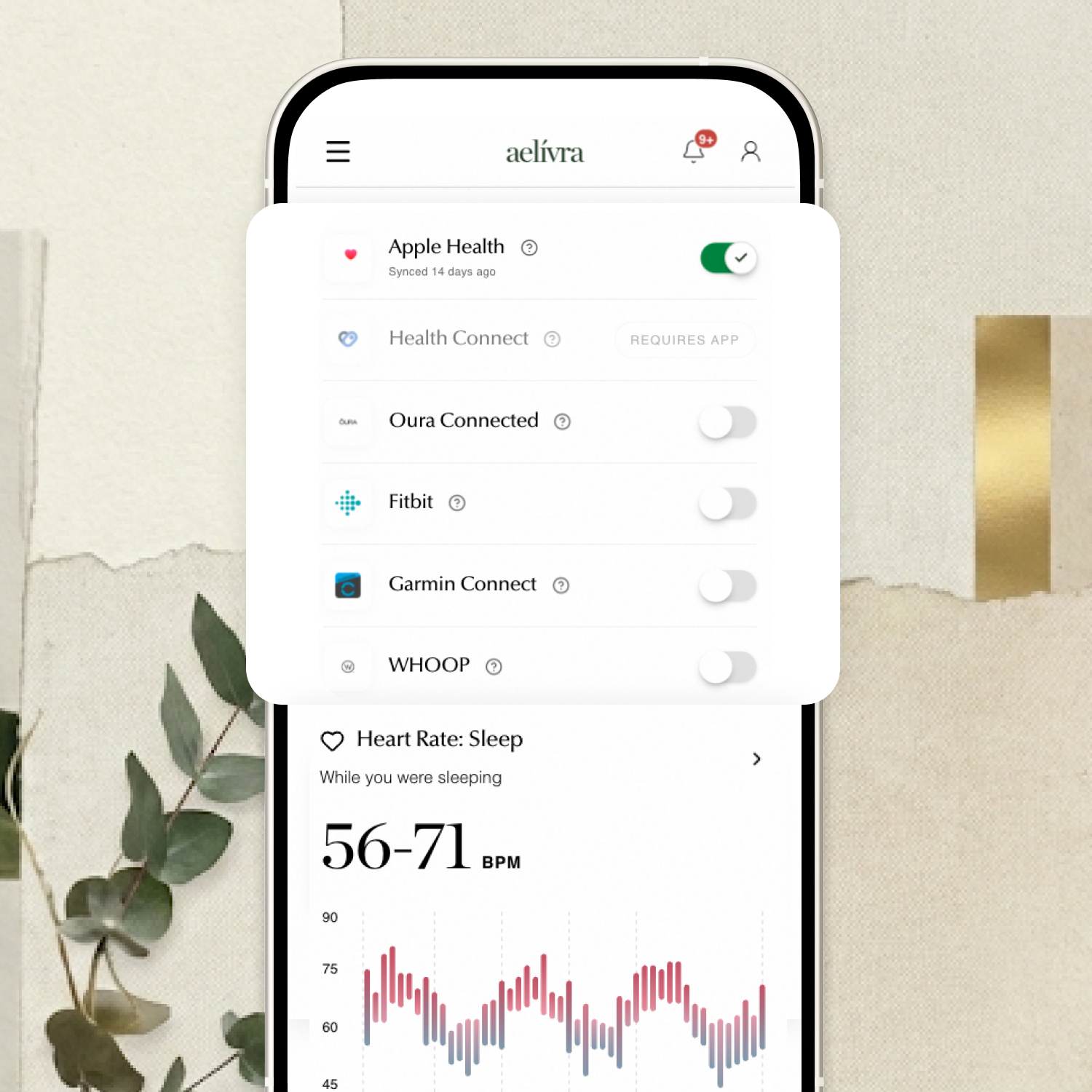
Make the most of your wearables. HRV, resting heart rate, and sleep stages can finally mean something. aelívra connects 500+ wearables and apps (Oura, Apple Health, Garmin, Fitbit, Whoop) and maps that data directly against how you actually feel — your syptoms and your wellbeing first, always.
Why does tracking sleep matter during treatment?
Tracking your sleep quality provides the proof you need to know if a new therapy actually changes how your body rests. While a pill might reduce clinical breathing pauses, the real measure of success is whether your daytime fatigue lifts.
As treatments like sulthiame shift the focus from forced air to internal breathing signals, monitoring the difference between core sleep vs deep sleep becomes crucial. Unseen drops in nighttime oxygen can trigger stress responses. This hidden tension is often Why You Wake Up at 3 AM: Cortisol and Sleep Maintenance Insomnia even if you do not remember choking or gasping.
aelívra helps you evaluate these subtle changes by mapping your sleep metrics against your daily energy and mood. Connecting these patterns reveals if your sleep architecture is genuinely improving, giving you clear insights to discuss at your next doctor's appointment.
Wearable data becomes most useful when you look at weekly trends rather than daily scores, especially when starting a new sleep medication.
Frequently Asked Questions
Can sulthiame completely replace CPAP machines? For some people with moderate sleep apnea, it may serve as an effective alternative. However, CPAP therapy remains the gold standard for severe cases involving significant anatomical obstruction.
When will the sulthiame sleep apnea pill be available? Following successful Phase 2 results published in 2025 and 2026, the drug must complete Phase 3 clinical trials before regulatory approval. Broad availability is likely still a few years away.
Does sulthiame cure sleep apnea? No, it manages the symptoms by stimulating airway muscles during sleep. Patients must take the medication daily to maintain the reduction in breathing pauses.

Cameron founded aelívra after years of living an unknown no one could answer — navigating chronic health complexity through a medical system that wasn't built for it. That experience became a conviction: everyone deserves to feel truly alive, and no one should have to accept not knowing as a way of life. His work sits at the intersection of data science and functional health and wellbeing, turning the latest trusted medical research across news, health, wearables, biomarkers, and more into advice everyday people can use on their journeys toward feeling better. Every article is grounded in peer-reviewed evidence and linked to its primary source. This content is for informational purposes only and does not replace medical advice.