Summary at a glance
The 2026 expert consensus shifts heart failure from an irreversible diagnosis to a dynamic condition capable of remission.
Stage B is now officially classified as pre-heart failure to highlight the critical window for early intervention.
Rigid numerical cutoffs for ejection fraction have been replaced with fluid categories that better track real-world recovery.
Tracking subtle changes in your resting heart rate and HRV can help identify cardiovascular strain before physical symptoms appear.
Medical Disclaimer: The information provided is for educational purposes only and does not replace professional medical advice. Heart failure and pre-heart failure are complex cardiovascular conditions. Always consult a healthcare provider before making changes to your monitoring routine or interpreting your heart rate, HRV, or blood pressure data.
What Is the New Universal Definition of Heart Failure for 2026?
In June 2026, major global cardiac societies published the Second Universal Definition of Heart Failure, fundamentally changing how the condition is diagnosed. Released in the Journal of the American College of Cardiology, this expert consensus shifts the focus toward early detection. It officially recognises that heart failure is a dynamic condition capable of remission pubmed.ncbi.nlm.nih.gov.
The updated framework is a massive collaborative effort bringing together the American Heart Association (AHA), the American College of Cardiology (ACC), and other leading global bodies newsroom.heart.org.
They built upon the initial 2021 guidelines to create a clearer path for prevention. The medical community is finally moving away from viewing a heart diagnosis as a permanent, irreversible decline pubmed.ncbi.nlm.nih.gov.
The 2026 update establishes that heart failure has a dynamic trajectory, meaning a patient's status can actively improve over time rather than just gradually worsening.
What Does Stage B (Pre-Heart Failure) Mean for Your Health?
Stage B is now officially designated as "pre-heart failure" to identify people who are at risk before structural symptoms appear pubmed.ncbi.nlm.nih.gov. This creates a crucial window for intervention. Doctors can step in before the condition starts disrupting your daily life.
By focusing heavily on this pre-heart failure phase, the 2026 consensus aims to shift cardiovascular care entirely toward proactive prevention pubmed.ncbi.nlm.nih.gov. During this early stage, you might feel perfectly fine. However, underlying changes in your cardiovascular system are already quietly taking place.
Recognising this stage gives you a real opportunity to halt the progression of the disease.
If you have high blood pressure or a family history of heart disease, ask your doctor if you fall into the pre-heart failure category.
Why Did Experts Change the Heart Failure Ejection Fraction Categories?
The 2026 definition removes rigid left ventricular ejection fraction cutoffs in favour of fluid, descriptive categories pubmed.ncbi.nlm.nih.gov. This structural change reflects the clinical reality that heart function fluctuates based on treatment, lifestyle, and environment.
| Previous Understanding | 2026 Update Framework |
|---|---|
| Rigid numerical cutoffs | Flexible, descriptive categories |
| Focus on permanent damage | Focus on dynamic trajectory |
| Linear condition progression | Includes remission and recovery |
According to a 2026 consensus report in the Journal of the American College of Cardiology, the task force replaced rigid ejection fraction cutoffs with 3 distinct dynamic categories—reduced, preserved, and improved—to better track actual patient recovery pubmed.ncbi.nlm.nih.gov. Replacing strict numbers with dynamic tracking allows clinicians to better map a person's actual recovery journey.
 Researcher analyzing biomarker data on a screen
Can Your Heart Health Actually Improve or Enter Remission?
Yes, the Second Universal Definition explicitly addresses the dynamic trajectories of improvement, remission, and recovery pubmed.ncbi.nlm.nih.gov. This represents a major shift from the traditional view of the condition as a one-way street.
By formally recognising an "improved ejection fraction" category, the medical community acknowledges that targeted interventions actually restore heart function pubmed.ncbi.nlm.nih.gov.
This dynamic view changes the conversation in the exam room. It encourages both patients and doctors to work toward real recovery milestones, rather than simply managing a deteriorating baseline.
The new guidelines officially remove rigid numerical cutoffs for ejection fraction, giving doctors more flexibility to track real-world recovery.
What Are the Early Warning Signs of Pre-Heart Failure to Track at Home?
Tracking daily changes in your resting heart rate, what is a good hrv, and unexplained breathlessness can help you spot the early warning signs of pre-heart failure. Subtle shifts in your physiological data often point to cardiovascular strain long before you feel breathless walking up the stairs.
This is where understanding your own baseline becomes powerful. You can learn more about this in our guide on HRV Explained: What Your Number Actually Means for Recovery and Stress.
Aelívra helps you find the answers by turning your wearable data into clear, contextual patterns rather than just raw, intimidating numbers. By mapping your resting heart rate against your daily energy levels and stress, you can identify hidden cardiovascular triggers. You can walk into your next appointment with a visual summary that shifts the consultation from vague concerns to clear, actionable health data.
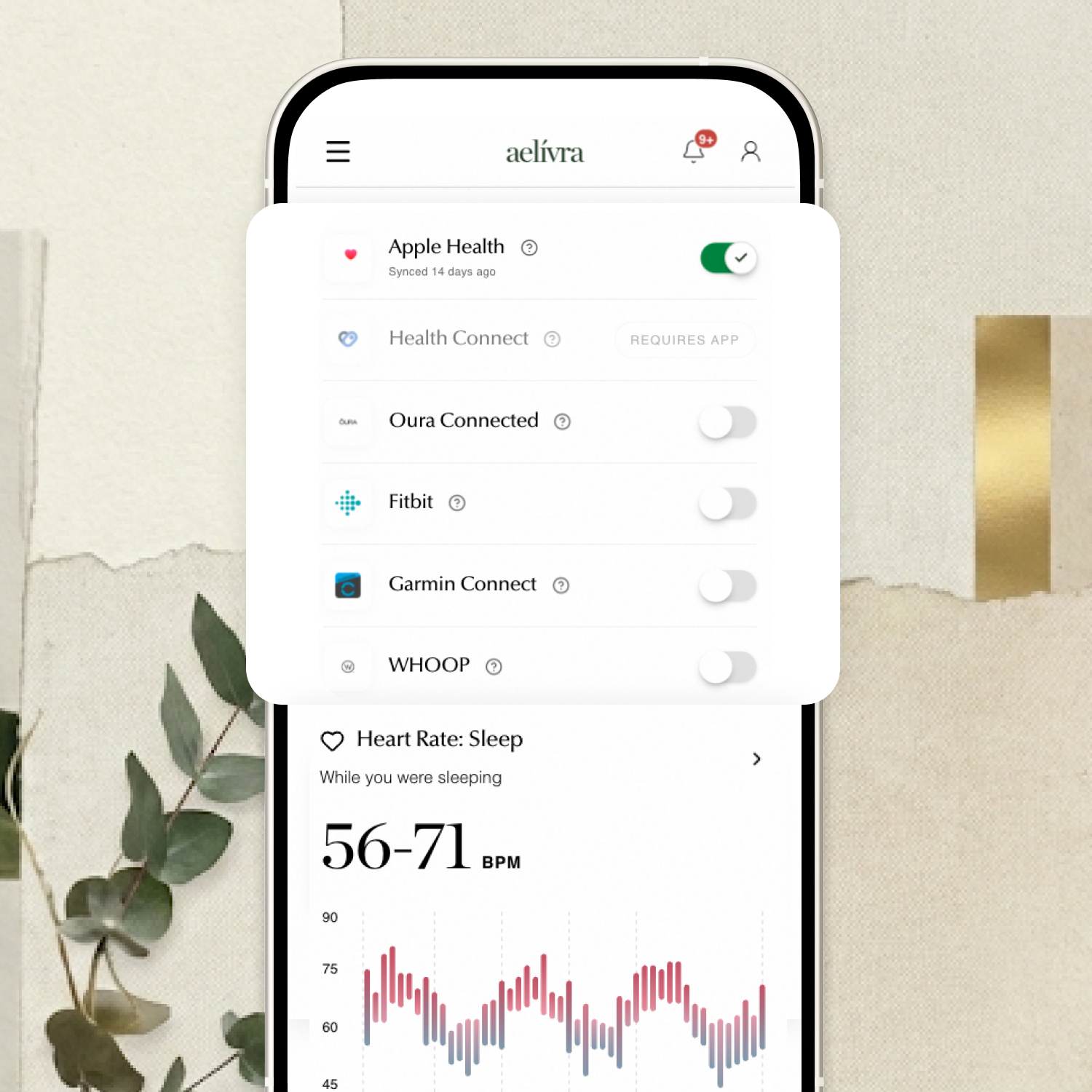
Make the most of your wearables. HRV, resting heart rate, and sleep stages can finally mean something. aelívra connects 500+ wearables and apps (Oura, Apple Health, Garmin, Fitbit, Whoop) and maps that data directly against how you actually feel — your syptoms and your wellbeing first, always.
Frequently Asked Questions
What is the main change in the 2026 heart failure definition? The 2026 update introduces a dynamic view of heart failure, adding categories for improved ejection fraction and focusing heavily on the pre-heart failure stage.
Can heart failure be reversed according to the new guidelines? While not completely curable, the new consensus explicitly recognises that heart failure can enter stages of remission, improvement, and recovery with proper care.
Why is Stage B now called pre-heart failure? The term pre-heart failure emphasizes that people in this stage are at high risk, providing a critical window for intervention before physical symptoms appear.
Sources

Cameron founded aelívra after years of living an unknown no one could answer — navigating chronic health complexity through a medical system that wasn't built for it. That experience became a conviction: everyone deserves to feel truly alive, and no one should have to accept not knowing as a way of life. His work sits at the intersection of data science and functional health and wellbeing, turning the latest trusted medical research across news, health, wearables, biomarkers, and more into advice everyday people can use on their journeys toward feeling better. Every article is grounded in peer-reviewed evidence and linked to its primary source. This content is for informational purposes only and does not replace medical advice.