
Summary at a glance
A 2026 preliminary study in Frontiers in Neuroscience found reduced brain waste clearance in ME/CFS patients.
Researchers used DTI-ALPS imaging to measure a significantly lower waste-clearance index in those with ME/CFS.
Lower clearance was associated with worse concentration and sleep disturbance, not with fatigue, in this study.
Tracking sleep quality and cognitive load can help patients monitor patterns related to underlying neuroinflammation.
This article discusses recent neurological research regarding ME/CFS and glymphatic function. These findings are for informational purposes and do not constitute a medical diagnosis. Always consult with a healthcare professional regarding symptoms of chronic fatigue or neurological dysfunction.
What Is the Glymphatic System and Why Is It Failing in ME/CFS?
In July 2026, researchers published a preliminary study showing that people with ME/CFS experience significantly reduced brain waste clearance. The findings in Frontiers in Neuroscience reveal a failing glymphatic system that leaves metabolic waste trapped in the brain. This impaired clearance may contribute to the disrupted sleep and difficulty concentrating that patients experience frontiersin.org.
The glymphatic system acts as the brain's plumbing network. It primarily flushes out toxins while a person sleeps. Think of it as the brain's overnight cleaning crew.
When these drainage channels become congested, waste lingers and creates neuroinflammation. Dr. Kiran Thapaliya notes that this impairment correlates directly with the cognitive struggles many patients face daily frontiersin.org. That physical backlog is a big part of why rest so rarely leaves you feeling restored.
The glymphatic system is most active during deep, non-REM sleep. This explains why disrupted sleep patterns heavily impact brain fog.
Why Do I Still Feel Tired After 10 Hours of Sleep?
You can sleep a full ten hours and still wake up drained. The problem is mechanical, not a shortfall of rest. When the glymphatic system fails to clear metabolic waste, the brain remains in a constant state of inflammation regardless of time spent asleep news.griffith.edu.au.
Professor Sonya Marshall-Gradisnik and her team at Griffith University emphasize that this waste-clearing inability is a physically measurable defect news.griffith.edu.au. The brain simply can't flush the toxins out.
That constant toxic load leaves your nervous system struggling with basic functions. It lines up with emerging data around ME/CFS ion channel dysfunction research 2026, which points to failures deep in the cells. So the exhaustion isn't in your head. Your brain is carrying a real, physical burden.
 Medical imaging scan representing brain structure
What Did the 2026 Frontiers in Neuroscience Study Find?
The 2026 study found a measurable drop in brain waste clearance for ME/CFS patients using specialized DTI-ALPS imaging. Researchers found that a lower clearance index was associated with worse concentration scores and greater sleep disturbance. This points to a possible biological correlate for some cognitive symptoms frontiersin.org.
The study analyzed 58 participants. This group consisted of 31 patients with ME/CFS and 27 healthy controls pubmed.ncbi.nlm.nih.gov.
Using advanced imaging, the research team recorded how fluid moves through the perivascular spaces in the brain. They identified that patients living with ME/CFS have significantly reduced flow compared to healthy individuals frontiersin.org.
| Measurement | ME/CFS Patients | Healthy Controls |
|---|---|---|
| Waste Clearance (ALPS Index) | Significantly lower | Normal baseline |
| Sleep Disturbance Correlation | Moderate (r = -0.47) | None |
| Impaired Concentration | Moderate (r = -0.43) | None |
Track daily cognitive load alongside sleep quality. This helps identify the specific threshold where brain fog worsens.
Why Does Brain Waste Clearance Matter for Recovery?
Knowing the fatigue has a real, neurological cause changes how you manage your energy. It validates what you have been feeling and opens the door to targeted treatments. Those future interventions could address the neuroinflammation itself, rather than just masking daily exhaustion frontiersin.org.
You can start watching how your sleep quality tracks with how sharp you feel the next day.
Logging these shifts gives you real data to work with. It helps you spot triggers and get ahead of the crashes. Managing your energy gets easier once you understand what your body is actually trying to process.
Emerging treatments may eventually target these inflammatory pathways directly. That includes therapies explored in the semaglutide GLP-1 chronic fatigue ME/CFS trial 2026.
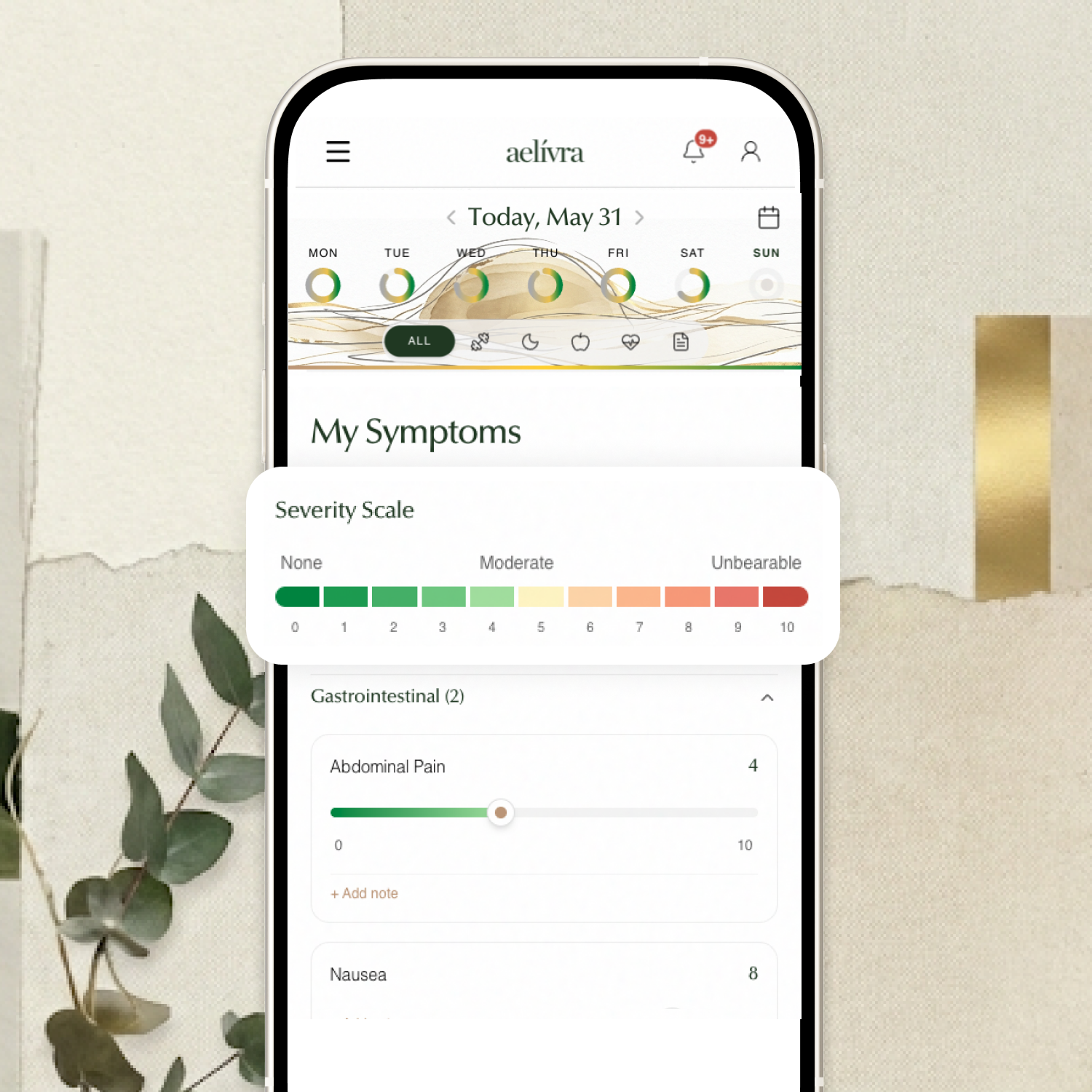
Every check-in brings you closer to answers. Effortlessly build a clear picture of energy, mood, pain, and sleep over time — so you can see exactly what's improving, what's not, and feel confident you're doing the right things to feel better.
Frequently Asked Questions About Glymphatic Flow
Can a brain scan diagnose ME/CFS? While not yet standard clinical practice, 2026 research indicates that DTI-ALPS imaging can detect differences in the waste-clearing channels of ME/CFS patients frontiersin.org.
Does poor sleep cause brain waste buildup? Yes. The glymphatic system does its heavy lifting during deep sleep. Disrupted rest limits this vital cleaning process, leaving metabolic waste behind to trigger inflammation news.griffith.edu.au.
Will clearing brain waste cure brain fog? While not a cure, scientists believe that improving glymphatic drainage could significantly reduce the neuroinflammation driving cognitive dysfunction in patients frontiersin.org.
Sources

Cameron founded aelívra after years of living an unknown no one could answer — navigating chronic health complexity through a medical system that wasn't built for it. That experience became a conviction: everyone deserves to feel truly alive, and no one should have to accept not knowing as a way of life. His work sits at the intersection of data science and functional health and wellbeing, turning the latest trusted medical research across news, health, wearables, biomarkers, and more into advice everyday people can use on their journeys toward feeling better. Every article is grounded in peer-reviewed evidence and linked to its primary source. This content is for informational purposes only and does not replace medical advice.