
Summary at a glance
A 2026 meta-analysis confirms that vitamin D2 actively competes with D3 for metabolic pathways, lowering your overall active levels.
Plant-based D2 supplements do not just absorb poorly; they displace the highly effective D3 already present in your body.
Standard blood tests often group D2 and D3 together, masking the silent drop in your natural D3 stores.
Consistent daily D3 supplementation remains the proven method for elevating serum levels without creating a metabolic bottleneck.
This information is based on 2026 clinical research and is intended for educational purposes only. It is not a substitute for professional medical advice. Always consult your healthcare provider before changing your supplement routine or interpreting vitamin D lab results.
What Did the 2026 Meta-Analysis Reveal About Vitamin D Interference?
In May 2026, a groundbreaking systematic review revealed that plant-based vitamin D2 supplements actively compete with and deplete natural vitamin D3 stores. The research confirms that D2 does not simply act as a weaker alternative, but structurally blocks D3 absorption, leaving people chronically deficient despite daily supplementation.
The findings stem from an extensive 2026 meta-analysis published on ResearchGate comparing daily D2 and D3 supplementation (link unavailable). For years, health experts treated the two forms as mostly interchangeable. You simply took what was available on the pharmacy shelf. Now, science paints a much more complicated picture of metabolic interference.
ScienceDaily (2026) reports that this newly confirmed mechanism serves as a previously unknown downside to popular D2 supplements (link unavailable). Both forms rely on the exact same liver and kidney enzymes to convert into their active state. Flooding your system with D2 creates a severe bottleneck.
PJ Magee, a lead researcher at the Nutrition Innovation Centre for Food and Health at Ulster University, emphasizes that vitamin D remains a key regulator of immune and cognitive function pubmed.ncbi.nlm.nih.gov. When D2 hogs the metabolic pathway, your body struggles to process the more potent D3 you get from sunlight and natural foods.
 Clinical lab samples representing vitamin D blood testing
Does Supplementing With Vitamin D2 Actually Lower Your D3 Levels?
Yes, taking high doses of vitamin D2 directly lowers your circulating D3 levels. Your liver has a limited capacity to metabolise these compounds. When you consume D2, it aggressively binds to the enzymes needed to convert D3 into its active hormone form.
This means the D3 you naturally produce from morning sunlight sits idle. Over time, your body clears out the unprocessed D3, causing a sharp drop in your core stores.
Clinical trials highlight how effective D3 is when it operates without this interference.
Ulster University (2026) reports that a daily intake of 10 μg of vitamin D3 over 12 weeks successfully raised serum levels from 66.31 nmol/L to 69.04 nmol/L in 118 trial participants pubmed.ncbi.nlm.nih.gov.
The placebo group in that same study saw their levels plummet to 56.29 nmol/L during the winter months pubmed.ncbi.nlm.nih.gov. Sticking exclusively to D3 ensures you reliably build your reserves without triggering metabolic competition.
High doses of plant-based D2 can actively displace the highly effective D3 you naturally synthesize from morning sunlight.
Why Is Your Total Vitamin D Status Still Low After Supplementing?
Your total vitamin D status stays low because standard lab tests mask the underlying interference. Most routine blood work measures total 25-hydroxyvitamin D, blending both D2 and D3 into a single score. You might see a seemingly acceptable number on paper while actively experiencing classic deficiency symptoms.
Advanced testing reveals the flaw. Frontiers in Nutrition (2026) highlights that using precise LC-MS/MS measurement allows clinicians to separate D2 from D3 (link unavailable). When researchers split the numbers, they notice high D2 levels masking dangerously depleted D3 reserves.
This frustration directly fuels the wellness tracking optimisation backlash fatigue 2026 many people feel today. You buy the expensive supplements and take them daily, yet your energy and immune resilience never quite recover.
Getting clarity requires looking at the total picture. Just like understanding what your HbA1c means gives you essential context for metabolic health, knowing exactly which form of vitamin D you absorb helps you confidently adjust your routine.
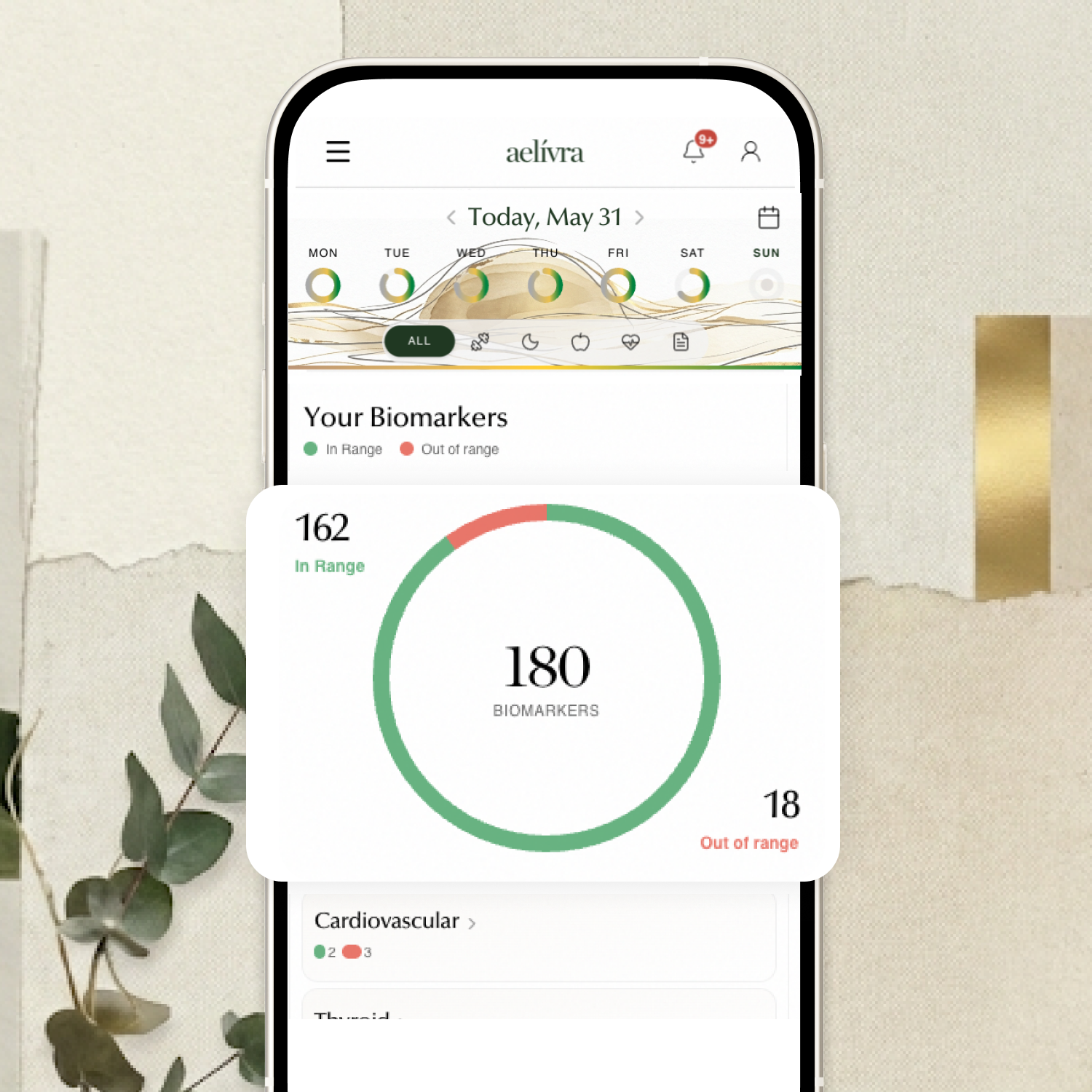
Blood work, scans, test results, medical reports — finally in one place and connected to how you actually feel. aelívra tracks biomarkers and health records over time, so you can see what's trending in the right direction and walk into your next appointment knowing exactly what to discuss.
How Do Vitamin D2 and D3 Compare in 2026?
Standard guidelines are quickly shifting in response to the 2026 data. The UK Ministry of Health (2026) expert consultation continues to refine public health recommendations around optimal forms of supplementation (link unavailable).
Here is how the two forms compare under current scientific understanding:
| Feature | Vitamin D2 (Ergocalciferol) | Vitamin D3 (Cholecalciferol) |
|---|---|---|
| Source | Fungi, yeast, plant-based supplements | Sunlight, fatty fish, animal products, lichen |
| Metabolic Pathway | Competes for liver enzymes | Naturally preferred by human biology |
| Interference Risk | High (depletes existing D3) | None (builds natural stores) |
| Serum Impact | Raises total D, but lowers active D3 | Effectively raises total and active D3 |
If you currently rely on D2 for dietary reasons, it makes sense to explore newer, lichen-derived D3 supplements. These offer a plant-based alternative without the metabolic penalty.
If you follow a strict vegan diet, look for lichen-derived vitamin D3 supplements to avoid the metabolic interference effect of D2.
Frequently Asked Questions
Can I take vitamin D2 and D3 together? Taking both simultaneously reduces the effectiveness of your supplement routine. The D2 will aggressively compete with the D3 for absorption and metabolic processing in your liver.
How long does it take for D3 levels to recover? Once you stop taking high-dose D2 and switch entirely to D3, your liver enzymes typically clear the bottleneck within a few weeks. Most people see their active D3 serum levels stabilize after three months of consistent supplementation.
Do standard blood tests show D2 interference? No, standard tests only show your total blended vitamin D count. You need a specialized LC-MS/MS test to separate your D2 levels from your active D3 levels.
Sources

Cameron founded aelívra after years of living an unknown no one could answer — navigating chronic health complexity through a medical system that wasn't built for it. That experience became a conviction: everyone deserves to feel truly alive, and no one should have to accept not knowing as a way of life. His work sits at the intersection of data science and functional health and wellbeing, turning the latest trusted medical research across news, health, wearables, biomarkers, and more into advice everyday people can use on their journeys toward feeling better. Every article is grounded in peer-reviewed evidence and linked to its primary source. This content is for informational purposes only and does not replace medical advice.